Metagenomics to Bioremediation: Applications, Cutting Edge Tools, and Future Outlook provides detailed insight into metagenomics approaches to bioremediation in a comprehensive manner, thus enabling the analysis of microbial behavior at a community level under different environmental stresses during degradation and detoxification of environmental pollutants.
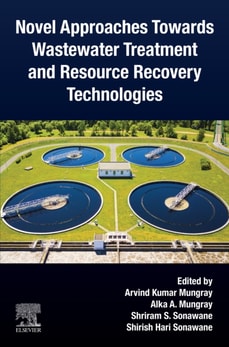
Novel Approaches towards Wastewater Treatment and Resource Recovery Technologies discusses various cost-efficient aspects of wastewater treatment along with resource recovery options.
Nanotechnological Applications in Virology explores the use of nanoparticles-based technologies to fight against viruses, also discussing the use of nanoparticles in the preparation of nano masks and as sanitizing agents.
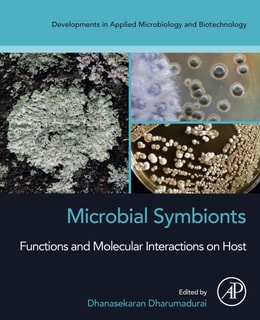
Microbial Symbionts: Functions and Molecular Interactions on Host focuses on microbial symbionts of plants, animals, insects and molecular methods in the identification of microbial symbionts.
Green Sustainable Process for Chemical and Environmental Engineering and Science: Biomedical Application of Biosurfactant in Medical Sector highlights the numerous applications of biosurfactants in the field of medicine, especially as a replacement to synthetic drugs which have developed several levels of resistance over the years.
Development in Wastewater Treatment Research and Processes: Microbial Ecology, Diversity and Functions of Ammonia Oxidizing Bacteria covers up-to-date research on ammonia oxidizing bacteria and their application for the removal of ammonia nitrogen from wastewater treatment plants (WWTPs), discussing remaining gaps in their biology and functions.
Biology of Mycobacterial Lipids covers various topics pertaining to the advancements and current research in the field of mycobacterial lipids, and on the significant progress in lipidomics, in recent times.
Considering the global emerging human pathogenic microbial diseases and trends, Human Pathogenic Microbes is framed to provide deep insights into the epidemic and emerging bacterial and fungal infections and diseases in humans.
Microbial Biomolecules: Emerging Approach in Agriculture, Pharmaceuticals and Environment Management explores and compiles new aspects of microbial-based biomolecules such as microbial enzymes, microbial metabolites, microbial surfactants, exopolysaccharides, and bioactive compounds and their potential applications in the field of health-related issues, sustainable agriculture and environment contamination management.
Phytoconstituents and Antifungals covers a wide range of specific information on various phytoconstituents, their antifungal mode and the diagnosis and management of fungal infections.
Pathogenic Coronaviruses of Humans and Animals: SARS, MERS, COVID-19, and Animal Coronaviruses with Zoonotic Potential provides relevant information about common human coronaviruses that may mutate to increase their virulence.
Treatment and Reuse of Sewage Sludge: An Innovative Approach for Wastewater Treatment: Developments in Waste Water Treatment Research and Processes series, focuses on the exploitation of various treatment technologies and their use to treat sewage sludge to detoxify/stabilize toxic and hazardous contaminants and restore contaminated sites, which lacks in a more comprehensive manner in currently existing titles on similar topics.
Expanding Horizon of Cyanobacterial Biology discusses the different aspects of cyanobacteria cyanobacterial application, providing a better understanding of cyanobacterial metabolism.
**Selected for Doody's Core Titles(R) 2024 in Microbiology**Understanding Microbial Biofilms: Fundamentals to Applications focuses on the microbial biofilms of different environments.
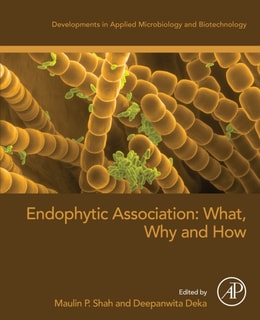
Endophytic Association: What, Why, and How focuses on the endophytic association of plants, how they have originated inside the host, their importance, and how they are beneficial for the environment, as well as humans.
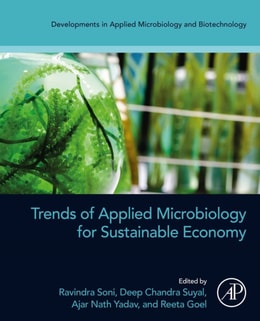
Trends of Applied Microbiology for a Sustainable Economy discusses the role of modern tools and next-generation technologies in applied microbial research, including recent trends and innovation in global biofertilizers.
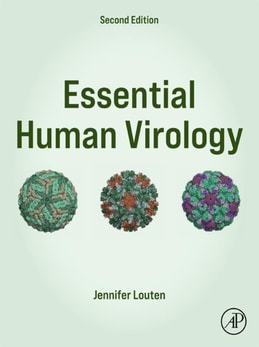
Essential Human Virology, Second Edition focuses on the structure and classification of viruses, virus transmission and virus replication strategies based upon type of viral nucleic acid.
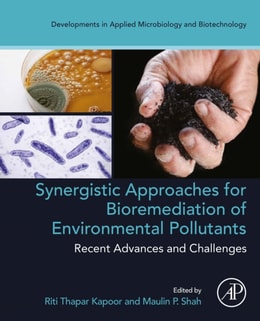
Synergistic Approaches for Bioremediation of Environmental Pollutants: Recent Advances and Challenges focuses on the exploitation of various biological treatment technologies and their use to treat toxic contaminants present in industrial effluent and in restoring contaminated sites, which lacks in a more comprehensive manner in existing titles on similar topics available on the global market.
Bacterial Bioflocculant for Multifunctional Features highlights research findings on the production and characterization of self-assembling bioflocculant from bacterial consortium (encompassing Bacillus subtilis, Enterococcus faecalis and Proteus mirabilis).
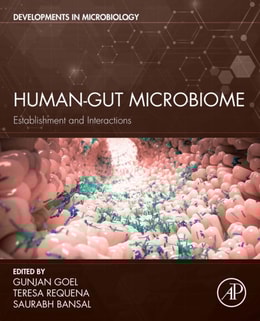
Human-Gut Microbiome: Establishment and Interactions gives an overview of microbiome establishments in humans and basic technologies used to decipher the structure and function of gut microbiome.
Application of Biofilms in Applied Microbiology gives a complete overview on the structure, physiology and application of biofilms produced by microbes, along with their potential application in biotechnology.
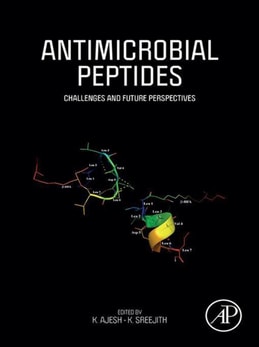
Antimicrobial Peptides: Challenges and Future Perspectives covers the latest developments about antimicrobial peptides in the scenario of drug resistance.
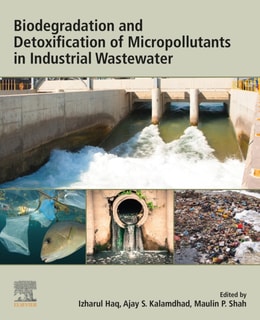
Industrial wastewater contains a large variety of compounds, such as hazardous organic pollutants, heavy metals, salts and nutrients, which makes its treatment challenging.
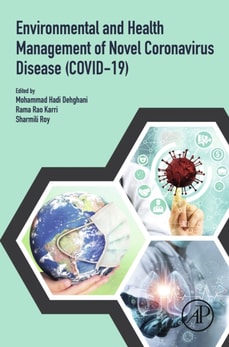
Environmental and Health Management of Novel Coronavirus Disease (COVID-19) examines mitigation measures that can be adopted at the time of a novel coronavirus outbreak to lessen environmental contamination and impacts on human health.
In the past two decades, several pandemics have ravaged the globe, giving us several lessons on infectious disease epidemiology, the importance of initial detection and characterization of outbreak viruses, the importance of viral epidemic prevention steps, and the importance of modern vaccines.
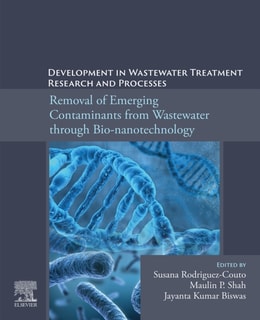
Removal of Emerging Contaminants from Wastewater through Bio-nanotechnology showcases profiles of the nonregulated contaminants termed as "e;emerging contaminants, which comprise industrial and household persistent toxic chemicals, pharmaceuticals and personal care products (PPCPs), pesticides, surfactants and surfactant residues, plasticizers and industrial additives, manufactured nanomaterials and nanoparticles, microplastics, etc.
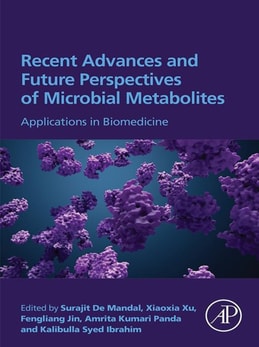
Recent Advances and Future Perspectives of Microbial Metabolites: Applications in Biomedicine sheds new light on various applications of microbial metabolites in the biomedical sector.
Geminivirus: Detection, Diagnosis and Management focuses on the latest techniques for managing diseases caused by these circular, single-stranded (ss) DNA genomes.
Biodegradation and Detoxification of Micropollutants in Industrial Wastewater summarizes the occurrence and source of micropollutants through various industrial wastewaters.
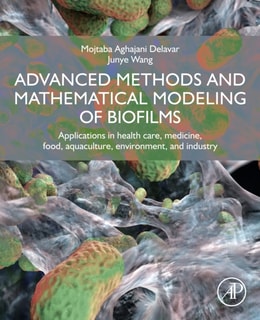
Advanced Mathematical Modelling of Biofilms and its Applications covers the concepts and fundamentals of biofilms, including sections on numerical discrete and numerical continuum models and different biofilms methods, e.
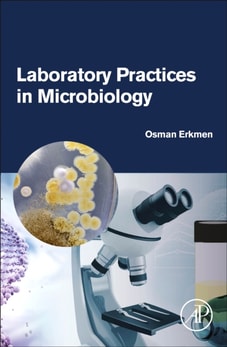
Laboratory Practices in Microbiology provides updated insights on methods of isolation and cultivation, morphology of microorganisms, the determination of biochemical activities of microorganisms, and physical and chemical effects on microorganisms.
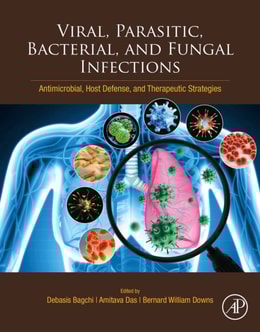
Viral, Parasitic, Bacterial, and Fungal Infections: Antimicrobial, Host Defense, and Therapeutic Strategies highlight diverse types of infections, including viral, bacterial, parasitic, fungal, and the therapeutic efficacy of antibiotics, antivirals, antifungals and other medications, nutraceuticals, and phytotherapeutics.
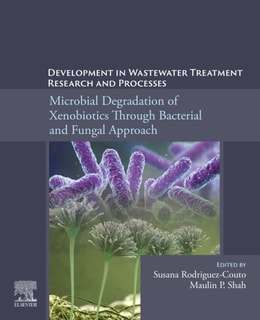
Development in Wastewater Treatment Research and Processes: Microbial Degradation of Xenobiotics through Bacterial and Fungal Approach covers the active and applicable role that bacteria and fungi play in the degradation of xenobiotic compounds from the environment.
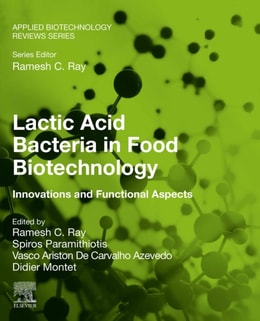
Lactic Acid Bacteria in Food Biotechnology: Innovations and Functional Aspects describes the latest advancements in LAB applications in the development of functional foods and fermented foods, biotechnological products using LAB, i.
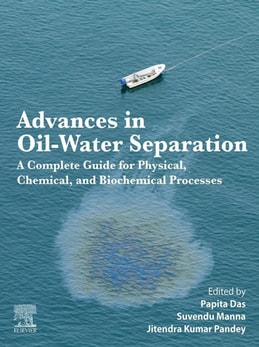
Advances in Oil-Water Separation: A Complete Guide for Physical, Chemical, and Biochemical Processes discusses a broad variety of chemical, physical and biochemical processes, including skimming, membrane separation, adsorption, onsite chemical reactions, burning and usage of suitable microbial strains for onsite degradation of oil.
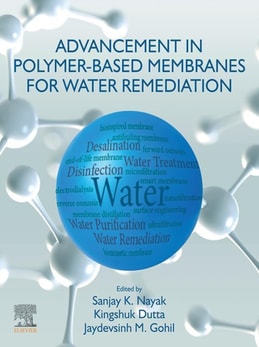
Advancements in Polymer-Based Membranes for Water Remediation describes the advanced membrane science and engineering behind the separation processes within the domain of polymer-based membrane systems in water remediation.
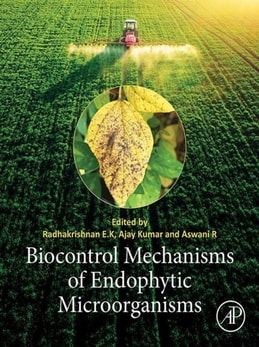
Biocontrol Mechanisms of Endophytic Microorganisms introduces endophytic microorganisms, colonization, diversity and distribution, describes the isolation and identification of endophytic microorganisms by traditional cultivation and by next generation sequencing technologies, and covers biocontrol mechanisms, bacterial priming, endophytic based methods, the significance on fungi, and metabolite based formulations.