Addressing the persistent environmental threat of organic chemicals with a fresh approach to degradation and transformation processes, Organic Chemicals in the Environment: Mechanisms of Degradation and Transformation, Second Edition examines a wide range of compounds as well as abiotic and microbiological reactions mediated by microorganisms
Processing Foods: Quality Optimization and Process Assessment provides a large body of updated information - helping researchers and industrialists make use of new concepts, technologies and approaches that are at the heart of modern food research.
Viral Nanotechnology presents an up-to-date overview of the rapidly developing field of viral nanotechnology in the areas of immunology, virology, microbiology, chemistry, physics, and mathematical modeling.
This new edition of Microbiology for Water and Wastewater Operators emphasizes the new world order of water control based on microbiological principles and practices.
This authoritative reference presents an up-to-date review of the testing methods, emerging technologies, and analytical systems and procedures used to prevent the microbial contamination of pharmaceutical processes, products, and environments.
Taking readers from the research laboratory to the bedside, this Second Edition compiles essential information on the pharmacodynamics of all major classes of the antimicrobial armamentarium including penicillins, cephalosposorins, cephamycins, carbapenems, monobactams, aminoglycosides, quinolones, macrolides, antifungals, antivirals, and emerging
This book provides a comprehensive view for plant microbe interactions towards stress management and microbiome-assisted approaches in sustainable agriculture.
Parasitology provides all the basic principles of this increasingly studied subject, emphasised by specific, but important examples rather than covering organisms of just one particular group.
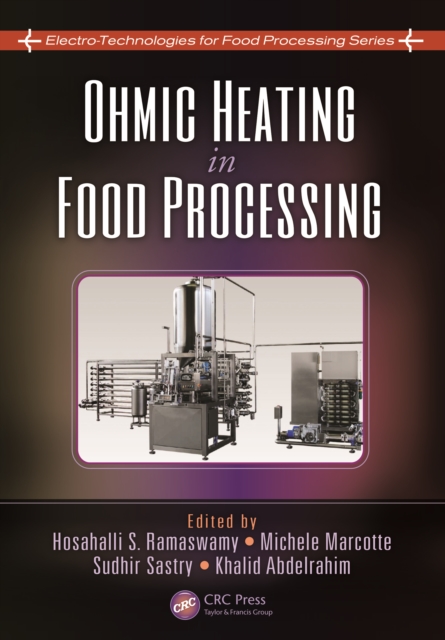
Ohmic heating provides rapid and uniform heating, resulting in less thermal damage than conventional heating and allowing manufacturers to obtain high-quality products with minimum sensorial, nutritional, and structural changes.
This book provides a comprehensive view for plant microbe interactions towards stress management and microbiome-assisted approaches in sustainable agriculture.
Microbial Applications of Nitrifiers and Denitrifiers in Industrial Wastewater Treatment describes the biotechnological processes (nitrification, oxidation and denitrification) to remove ammonia from wastewater, protecting the environment and human health.
Published nearly ten years ago, the first edition of Practical Atlas for Bacterial Identification broke new ground with the wealth of detail and breadth of information it provided.
Many of the natural products have been isolated and characterized from the actinobacteria, for example polyketides, phenazines, peptides, indolocarbarbazoles, and sterols.
Consumers around the world have become better educated and more demanding in their identification and purchase of quality health-promoting foods; therefore the food industry requires innovative technologies to provide their clientele with safe and stable foods that meet safety regulations .
This book covers the various sources, the role of treatment technologies, system-associated factors, and future challenges with reference to microplastics in wastewater treatment plants.
Artificial Intelligence in Microbiology: Scope and Challenges, Volume-II, Volume 56 covers changes due to the emergence of Artificial Intelligence (AI).
Esta obra es una excelente introduccion al mundo de los microorganismos pensada como libro de texto de microbiologia general para diversas carreras cientificas.
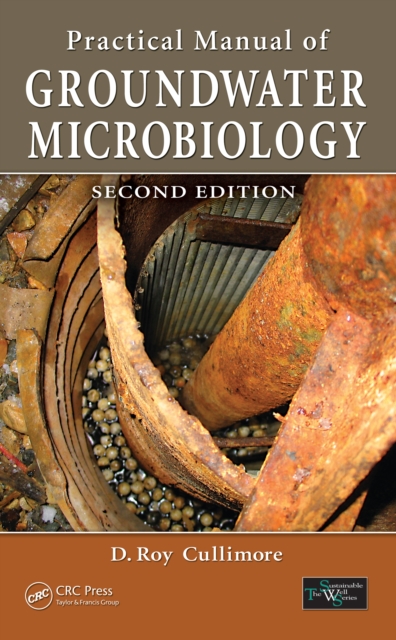
Although microorganisms can be found virtually anywhere on our planet, from clouds to soils to oceans, they are often poorly understood when examining issues related to groundwater and water wells.
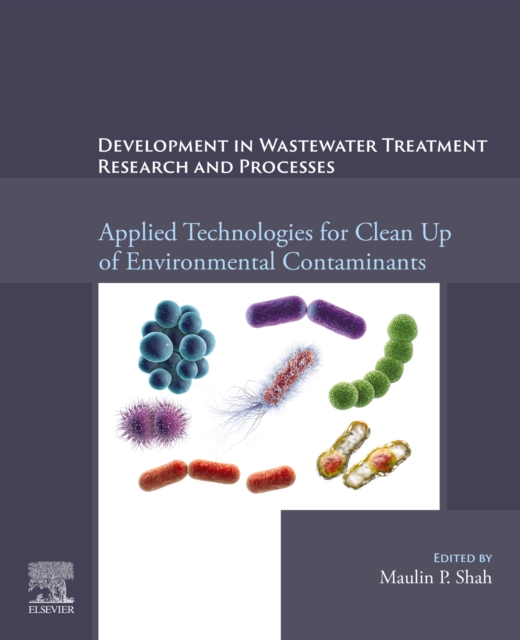
Applied Technologies for Clean Up of Environmental Contaminants covers the features of remediation and biocontrol technology, a multidisciplinary field combining environmental and industrial microbiology with biotechnology to improve environmental management.
Although most public health and environmental engineers are aware of the importance of microbial activity, many civil engineers do not appreciate the part microbiological process play in, for example, biodeterioration of concrete and other construction materials, alteration of soil and rock properties, clogging of boreholes, distribution and irriga
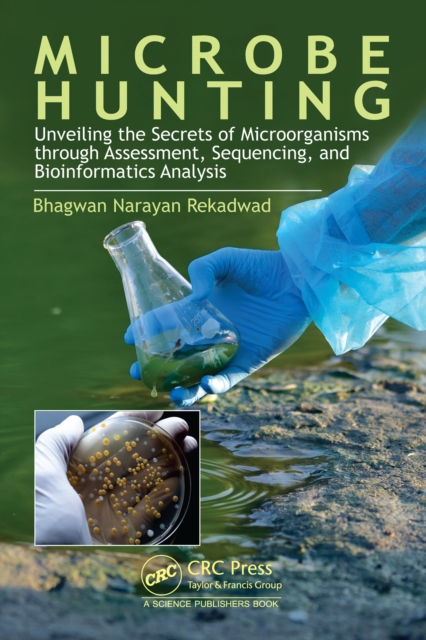
"e;Microbe Hunting: Unveiling the Secrets of Microorganisms through Assessment, Sequencing, and Bioinformatics Analysis"e; embarks on a captivating expedition into the unseen world of microorganisms.
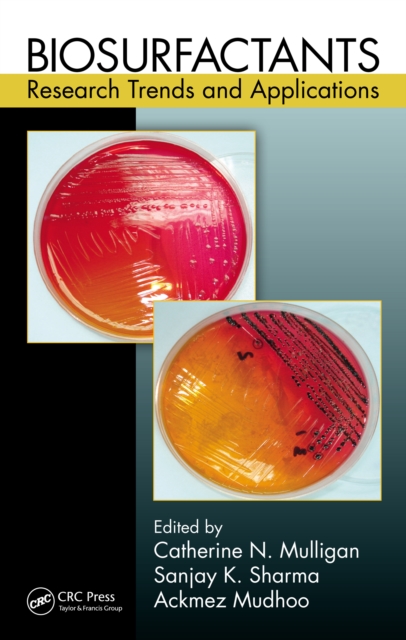
Microbially derived surfactants, called biosurfactants, provide a promising alternative to synthetic surfactants, displaying better availability and being generally nontoxic and biodegradable.
the latest release in this ongoing, well-regarded serial, provides invaluable information on the exciting and fast-moving field of cancer research, with this updated edition covering chapters on A bioinformatic-driven prediction of MDA9 transcriptional variants' roles in cancer progression and treatment, Redox, cysteines, and kinases - A triad sustaining myeloid leukemia, The RAF cysteine-rich domain: structure, function, and role in disease , Membrane Potential: a new hallmark of cancer, Recent Advances and Progress in Immunotherapy of Solid Cancers, and much more.
the latest release in this ongoing, well-regarded serial, provides invaluable information on the exciting and fast-moving field of cancer research, with this updated edition covering chapters on A bioinformatic-driven prediction of MDA9 transcriptional variants' roles in cancer progression and treatment, Redox, cysteines, and kinases - A triad sustaining myeloid leukemia, The RAF cysteine-rich domain: structure, function, and role in disease , Membrane Potential: a new hallmark of cancer, Recent Advances and Progress in Immunotherapy of Solid Cancers, and much more.
The discovery of new and previously unknown organisms that cause foodborne illness makes it essential for scientists, regulators, and those in the food industry to reconsider their traditional approaches to food preservation.
The field of metagenomics has revolutionized our comprehension of microbial diversity and function across various habitats, from the human body to terrestrial and aquatic environments.
A significant component of many different ecosystems, cyanobacteria occupy almost every niche of the earth, including fresh and salt waters, rice fields, hot springs, arid deserts, and polar regions.
This book explores the relationship between the gut microbiome and cancer, illuminating various facets from fundamental roles to personalized therapies.
This book covers all aspects of anaerobic waste conversion technologies using anaerobes, particularly in anaerobic digestion and fermentation processes.
Despite a worldwide increase in demand for fresh-cut fruit and vegetables, in many countries these products are prepared in uncontrolled conditions and have the potential to pose substantial risk for consumers.
This book covers all aspects of anaerobic waste conversion technologies using anaerobes, particularly in anaerobic digestion and fermentation processes.
In the English edition of his landmark book Endosymbiosis of Animals with Plant Microorganisms (1965), Professor Paul Buchner is probably the most prominent founder of systematic symbiosis research.