Peptide Catalysts, including Catalytic Amyloids, Volume 697 in this esteemed series, highlights new advances in the field, with this new volume presenting interesting topics on Screening of oxidative behaviors in catalytic amyloid assemblies, Catalytic amyloids derived for natural proteins, AFM-IR studies of catalytic amyloids, MD structural studies of catalytic amyloids, Characterization of crystalline, amyloid-like amino acid assemblies, Computational modeling of supramolecular peptide assemblies, and Assembly and activity of short prion-inspired peptides.
This book provides a comprehensive exploration of colorectal cancer (CRC), covering its development, cellular and molecular pathologies, diagnostic methods, treatment modalities, challenges, and future research directions.
This book introduces the field of molecular diagnostics, tracing its evolution from the earliest days of genetic research to cutting-edge advancements.
Microbiome in Cancer and Autoimmunity - Part A, Volume 394 offers a comprehensive exploration of the intricate relationship between the human microbiome and the development of cancer and autoimmune diseases.
This book introduces the field of molecular diagnostics, tracing its evolution from the earliest days of genetic research to cutting-edge advancements.
Non-coding RNA, Volume 214 in the Progress in Molecular Biology and Translational Science series, highlights advances in the field, with this new volume presenting interesting chapters on topics such as An introduction to non-coding RNAs, Non-coding RNAs in Eutherians and Livestocks, Artificial intelligence and machine learning heuristics for discovery of ncRNAs in humans, Non-coding RNAs in Plants, Epigenetic and experimental approaches influencing ncRNAs, Noncoding RNAs in bacteria, Dissecting ncRNA pathways and omics integration, Structural prediction of potent ncRNAs, Artificial intelligence and machine learning heuristics for discovery of ncRNAs in humans, Tools and Databases for non-coding RNAs, and Physiogenomics and genetic landscape of ncRNAs.
Targeted Protein Degradation Technologies offers a comprehensive exploration of the field of targeted protein degradation, from its latest scientific advancements to its potential therapeutic applications.
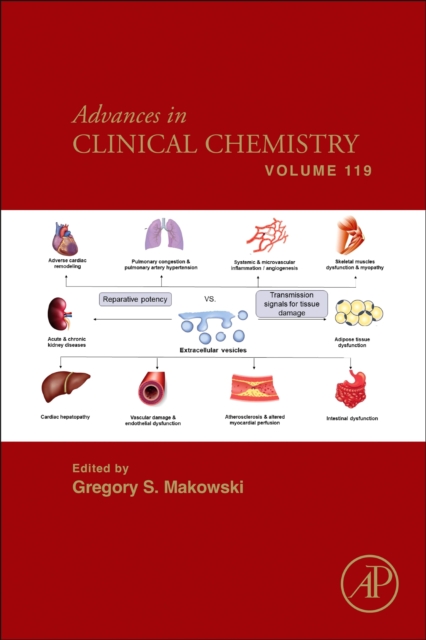
Advances in Clinical Chemistry, Volume 119, the latest installment in this internationally acclaimed series, contains chapters authored by world-renowned clinical laboratory scientists, physicians and research scientists.
Multivariate analysis of the multi-component analytical profiles of carefully collected biofluid and/or tissue biopsy specimens can provide a 'fingerprint' of their biomolecular/metabolic status.
Concerns about the adverse effects of chemicals present in the environment have created a need for better systems to assess their potential consequences on human health.
Gut microbiota plays a crucial role in preventing cancer by influencing the immune system, regulating inflammation, and producing beneficial metabolites.
Progress in Molecular Biology and Translational Science series, highlights new advances in the field, with this new volume presenting interesting chapters.
Includes a DVD Containing All Figures and Supplemental Images in PowerPointThis new edition of Plant Propagation Concepts and Laboratory Exercises presents a robust view of modern plant propagation practices such as vegetable grafting and micropropagation.
Current research suggests that neurodegenerative diseases such as Alzheimer's, Parkinson's, Huntington's, and Creutzfeldt-Jacob may be linked to disorders in protein shape referred to as protein misfolding.
ADARs, Volume 710 in this ongoing series, highlights new advances in the field, with this new volume presenting interesting chapters written by an international board of authors.
ADARs, Volume 710 in this ongoing series, highlights new advances in the field, with this new volume presenting interesting chapters written by an international board of authors.
Get Insight on the Function of Supercomplexes in Biological SystemsRedox Proteins in Supercomplexes and Signalosomes is one of the first books to explore the key role played by redox proteins and their interaction network in a wide range of essential cellular processes in all domains of life.
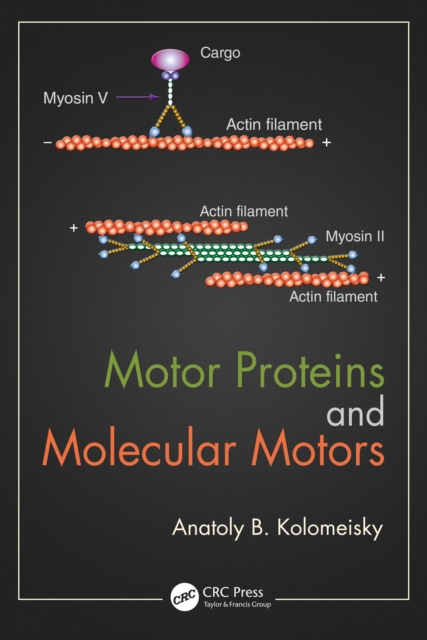
A Unified Microscopic Approach to Analyzing Complex Processes in Molecular MotorsMotor Proteins and Molecular Motors explores the mechanisms of cellular functioning associated with several specific enzymatic molecules called motor proteins.
Forensic Biology, Third Edition, provides students with a general understanding of forensic biology, particularly in forensic serology and forensic DNA analysis, and addresses rapid advancements in the field over the past few years.
Divided into five parts, Microbial Food Contamination, Second Edition looks at emerging foodborne human pathogens andcomprehensively evaluates the microbiology, biochemistry, detection, risk, and threat of foodborne illness in today's global market.
Bridging the gap between research and clinical application, Biosensors and Molecular Technologies for Cancer Diagnostics explores the use of biosensors as effective alternatives to the current standard methods in cancer diagnosis and detection.
Characterized by obesity, insulin resistance, dyslipidemia, and hypertension, metabolic syndrome is associated with the risks of type 2 diabetes mellitus and cardiovascular disease.
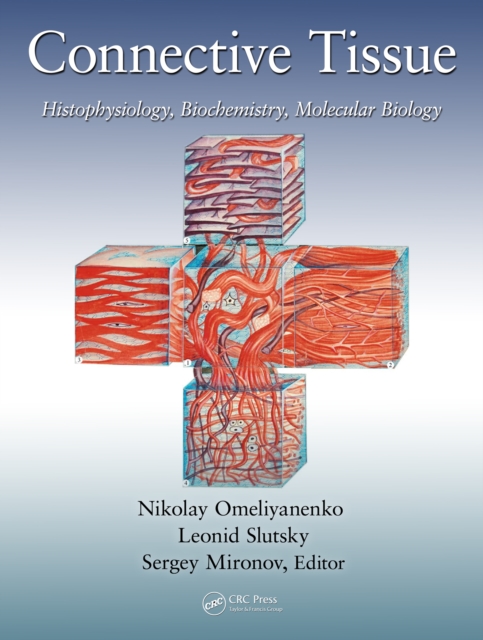
Connective tissue is a multicomponent, polyfunctional complex of cells and extracellular matrix that serves as a framework for all organs, combining to form a unified organism.
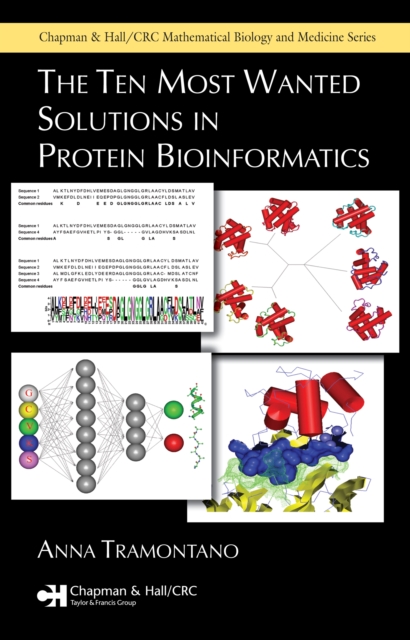
Utilizing high speed computational methods to extrapolate to the rest of the protein universe, the knowledge accumulated on a subset of examples, protein bioinformatics seeks to accomplish what was impossible before its invention, namely the assignment of functions or functional hypotheses for all known proteins.
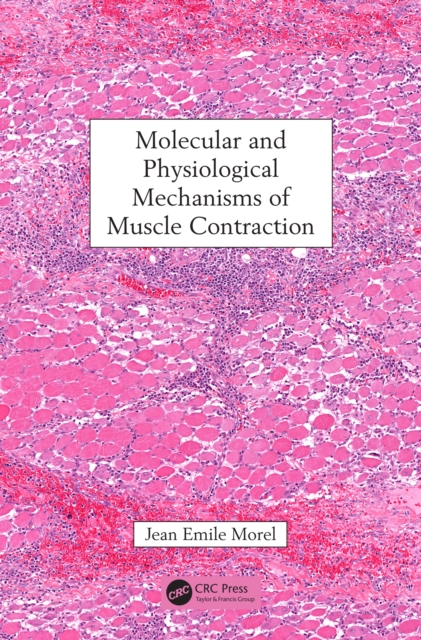
Thoroughly researched using experimentation and re-examination of all previously published evidence, Molecular and Physiological Mechanisms of Muscle Contraction is a carefully crafted treatise and revision of previous conceptions of muscle contraction.