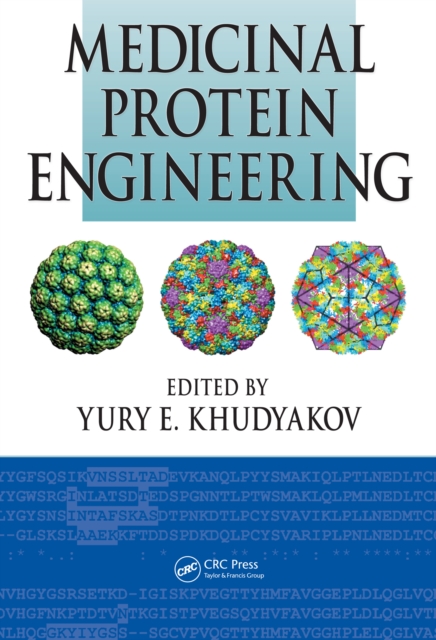
An All-Inclusive Review of the Achievements and Trends in the Fast-Growing Protein Engineering Field From humble beginnings like making fire for mere survival, engineering now steadfastly penetrates all aspects of our lives and even life itself at the molecular level.
Since the first Handbook of Cell-Penetrating Peptides was prepared in 2001, the wealth of new information on the use of these peptides as transport systems has in fact served to confound the field.
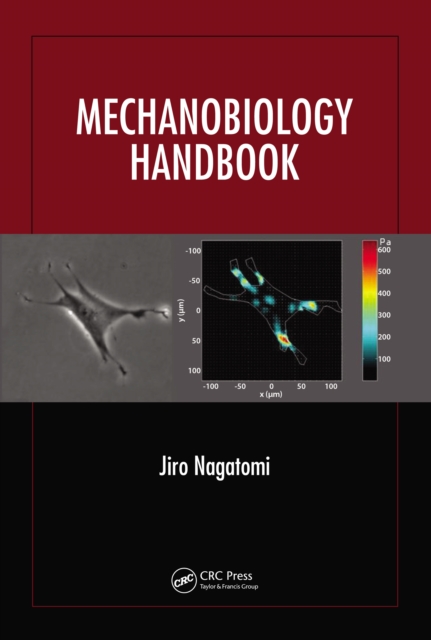
Mechanobiology-the study of the effects of mechanical environments on the biological processes of cells-has evolved from traditional biomechanics via the incorporation of strong elements of molecular and cell biology.
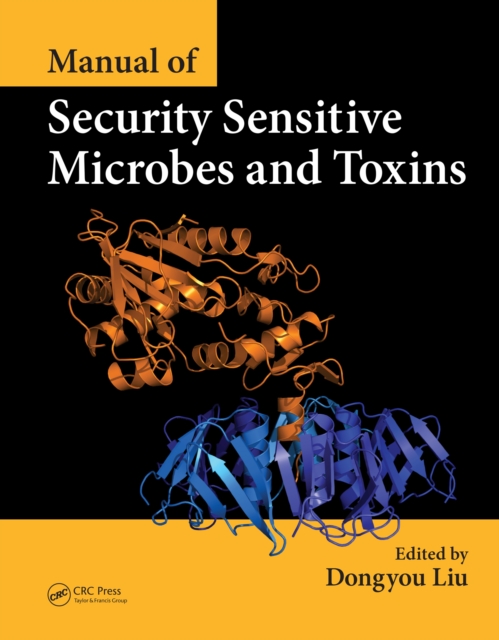
Security sensitive microbes (viruses, bacteria, fungi, and parasites) and toxins, which are often referred to as the select agents and toxins, have the capacity to cause serious illness and death in humans, animals, and plants.
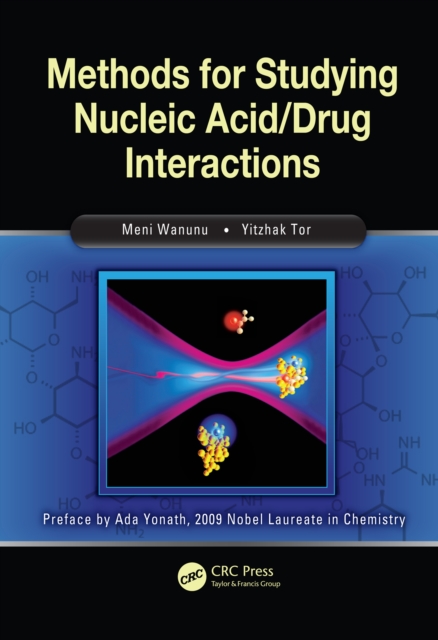
Since most therapeutic efforts have been predominantly focused on pharmaceuticals that target proteins, there is an unmet need to develop drugs that intercept cellular pathways that critically involve nucleic acids.
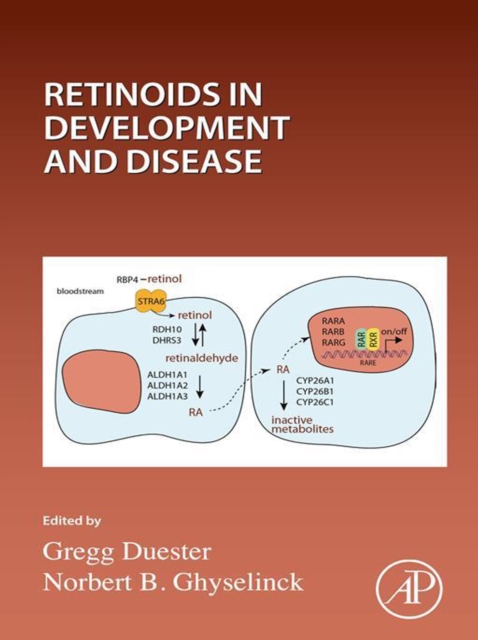
Retinoids in Development and Disease, Volume 161 in the Current Topics in Developmental Biology series focuses on the role of retinoids during development and disease.
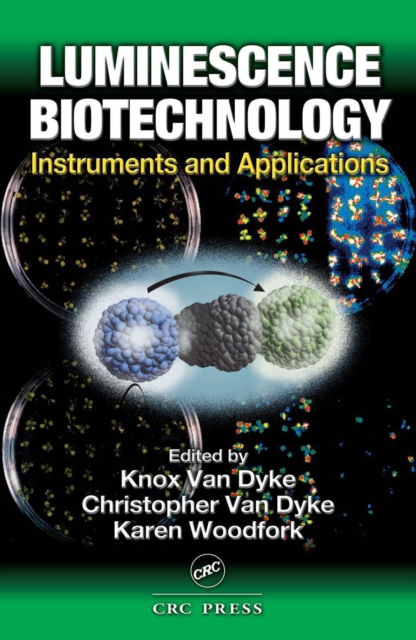
The dangers and drawbacks inherent in radioactivity-based methods along with a demonstrated and dramatic increase in sensitivity have precipitated a major shift towards luminescence measurements and visualization techniques.
Forensic Biology, Third Edition, provides students with a general understanding of forensic biology, particularly in forensic serology and forensic DNA analysis, and addresses rapid advancements in the field over the past few years.
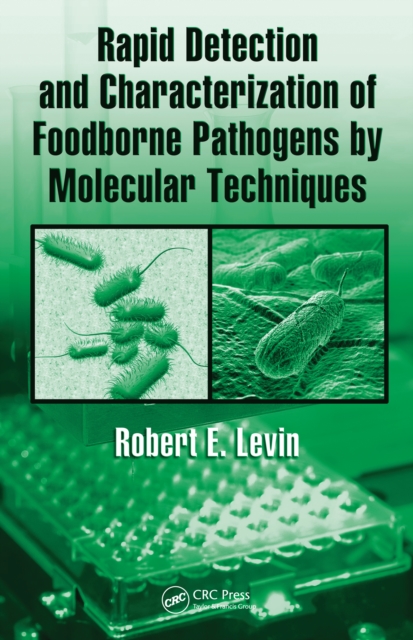
Written by one of the most prolific and respected researchers in food safety, this volume describes molecular techniques for the detection and discrimination of major infectious bacteria associated with foods.
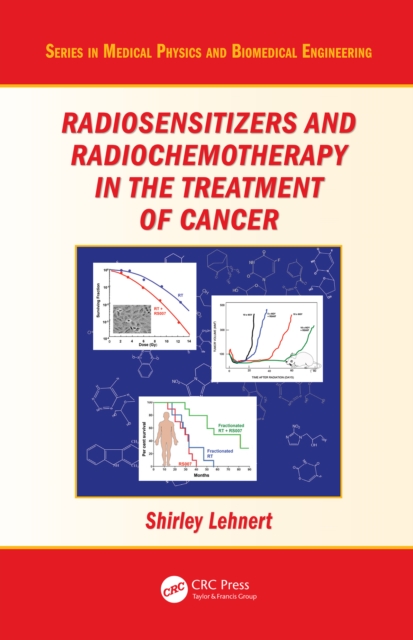
Radiosensitizers and Radiochemotherapy in the Treatment of Cancer catalogs and describes the mechanism of action for entities characterized as radiosensitizers.
With chapter contributions from more than 30 metal biology experts, Cellular and Molecular Biology of Metals explains the role of key divalent metal ions involved in the molecular and cellular biology of various target cell populations.
Exploring breakthroughs in fungal detection and control, this book covers fungal nomenclature, population instability, and phylogeny, as well as investigative research on Peronosporomycetes, Zygomycetes, Filamentous Ascomycetes, Basidiomycetous Yeasts, Endomycetes and Blastomycetes, and Miscellaneous Opportunistic Fungi.
The most profound dilemma in assisted reproduction to date is the inability to recognize potentially viable embryos before their replacement into the reproductive tract.
Soft condensed matter physics, which emerged as a distinct branch of physics in the 1990s, studies complex fluids: liquids in which structures with length scale between the molecular and the macroscopic exist.
Assembling the work of an international panel of researchers, Mass Spectrometry of Nucleosides and Nucleic Acids summarizes and reviews the latest developments in the field and provides a window on the next generation of analysis.
Merging topical data from recently published review and research articles, as well as the knowledge and insight of industry experts, Omics Applications in Crop Science delves into plant science, and various technologies that use omics in agriculture.
Profiles of Drug Substances, Excipients, and Related Methodology, Volume 50 includes comprehensive profiles of four drug compounds: Sofosbuvir, Nateglinide, Linagliptin, and Dronedarone, providing comprehensive knowledge on their physical and chemical properties, synthesis and degradation pathways, analytical techniques for identification and quantification, separation methods, and pharmacology of drug substances.
Profiles of Drug Substances, Excipients, and Related Methodology, Volume 50 includes comprehensive profiles of four drug compounds: Sofosbuvir, Nateglinide, Linagliptin, and Dronedarone, providing comprehensive knowledge on their physical and chemical properties, synthesis and degradation pathways, analytical techniques for identification and quantification, separation methods, and pharmacology of drug substances.
This work offers succinct, medically-oriented coverage of biochemistry, examining biologically important materials and presenting the properties of nucleic acids as well as nucleic acid metabolism.
Genes and the Environment is concerned with genes and how their structures and activities can be influenced by current relevant environmental adversitises.
A reflection of the explosion of research and development in this field, OMICS: Biomedical Perspectives and Applications explores applications of omics in bioinformatics, cancer research and therapy, diabetes research, plant science, molecular biology, and neurosciences.
The boundaries between simple and complicated, and complicated and complex system designations are fuzzy and debatable, even using quantitative measures of complexity.
Antibodies protect us from a wide range of infectious diseases and cancers and have become an indispensable tool in science-both for conventional immune response research as well as other areas related to protein identification analysis.
A True Insider's Guide to the Field - Then and Now Until now, there has not been a book that effectively addresses the historical basis of protein discovery.
Protein engineering has proved to be one of the more fruitful technological approaches in biotechnology, being both very powerful and able to generate valuable intellectual property.
The effects of the bone morphogenetic proteins (BMPs) family on bone formation are well documented, but the transforming growth factor (TGF)-beta ( isoforms are much less studied.
Synthetic biology is enabling scientists to use engineered genetic circuits in the cells as the basis for the development of new living therapeutics and as a powerful new weapon in the fight against diseases, especially cancer.
Poly (ADP-ribose) polymerase (PARP), also termed poly (ADP-ribose) synthetase (PARS) is a nuclear enzyme with a wide range of functions, including regulation of DNA repair, cell differentiation, and gene expression.