Neglected Zoonoses and Antimicrobial Resistance: Impact on One Health and Sustainable Development Goals provides a thorough examination of how neglected zoonoses and antimicrobial resistance together hinder the achievement of sustainable development goals declared by the United Nations in the pursuit of a disease-free world.
Artificial Intelligence in Microbiology: Scope and Challenges, Volume-II, Volume 56 covers changes due to the emergence of Artificial Intelligence (AI).
Oxidative modification of lipids and phospholipids-including radical damage, halogenation, and nitration-result in significant changes to the chemical properties of the molecules, which in turn have a major effect on their biochemical functions.
Hydrogen peroxide (H2O2) is recognized as a crucial signaling molecule that mediates physiological and biochemical processes in plants, regulating various development and stress responses.
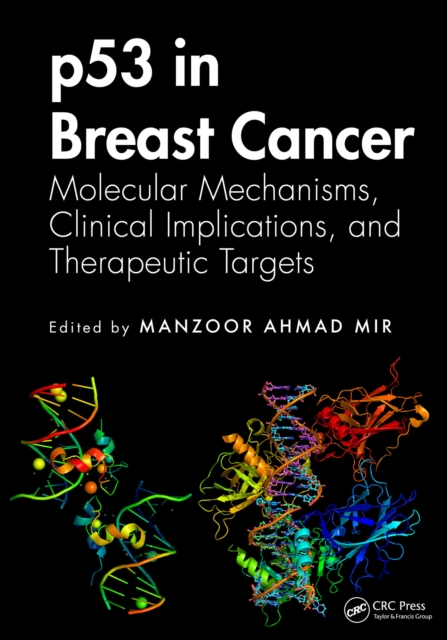
p53 in Breast Cancer: Molecular Mechanisms, Clinical Implications, and Therapeutic Targets comprehensively reviews the role of p53 in breast cancer development, progression, and treatment.
This innovative reference explores a wide selection of topics associated with aging, providing a solid understanding of the significance and molecular basis of the aging process and charting the course of future research in the area.
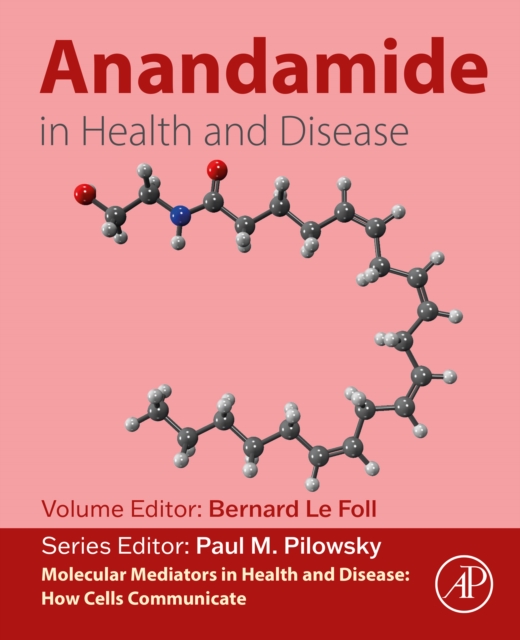
Anandamide in Health and Disease, a volume in the Molecular Mediators in Health and Disease: How Cells Communicate series, is a complete reference on the roles of anandamide in health and disease states.
Anandamide in Health and Disease, a volume in the Molecular Mediators in Health and Disease: How Cells Communicate series, is a complete reference on the roles of anandamide in health and disease states.
Crystallography is one of the most multidisciplinary sciences, with roots in fields as varied as mathematics, physics, chemistry, biology, materials science, computation and earth and planetary science.
This volume presents detailed reviews on biochemistry, classical genetics and traditional breeding, germplasm diversity, molecular genetics, tissue culture, biotechnology, and structural and functional genomics of ten major seed spices including ajwain, anise, celery, coriander, cumin, dill, fennel, fenugreek, Nigella and parsely.
This volume presents detailed reviews on biochemistry, classical genetics and traditional breeding, germplasm diversity, molecular genetics, tissue culture, biotechnology, and structural and functional genomics of ten major seed spices including ajwain, anise, celery, coriander, cumin, dill, fennel, fenugreek, Nigella and parsely.
While the genomic revolution has quickly led to the deposit of more than 30,000 structures in the protein data bank (PDB), less than one percent of those contributions represent membrane proteins despite the fact that membrane proteins constitute some 20 percent of all proteins.
A significant component of many different ecosystems, cyanobacteria occupy almost every niche of the earth, including fresh and salt waters, rice fields, hot springs, arid deserts, and polar regions.
Biotechnology: The Technological Applications of Genetics and Genomics, Third Edition, approaches modern biotechnology from a molecular basis, discussing how the fields of genetics, molecular biology, microbiology, and biochemistry are merging their respective discoveries into the expanding applied field of biotechnology.
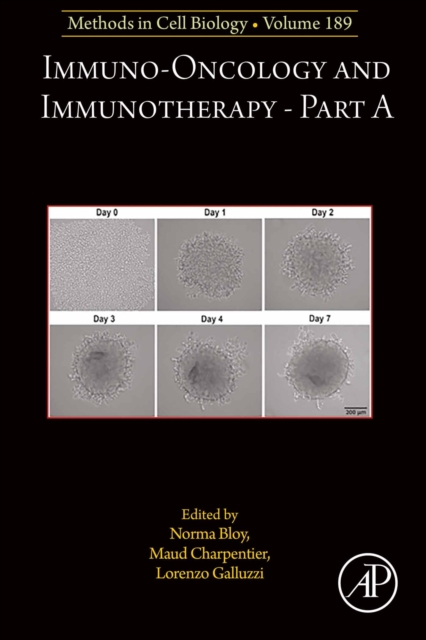
Immuno-Oncology And Immunotherapy - Part A Volume 189, in the Methods in Cell Biology series, continues the legacy of this premier serial with quality chapters authored by leaders in the field.
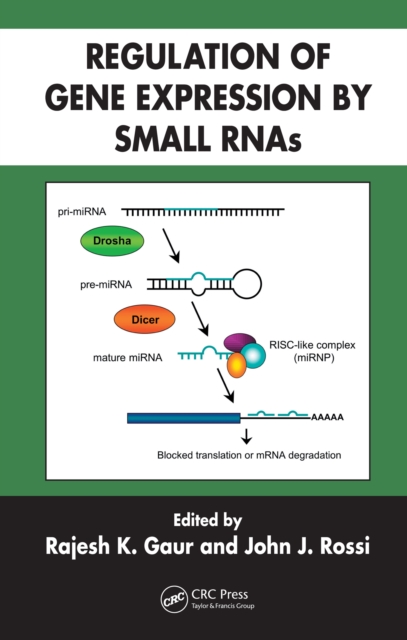
New Findings Revolutionize Concepts of Gene FunctionEndogenous small RNAs have been found in various organisms, including humans, mice, flies, worms, fungi, and bacteria.
In the fiercely competitive pharmaceutical marketplace, your organization cannot afford to spend excess dollars developing drugs that will fail to get FDA approval or have profoundly poor characteristics.
Omics Approaches in Veterinary Parasitology: Diagnosis, Biomarkers, and Drug Development explores applications of omics approaches for diagnosis, biomarker discovery, and drug development against parasites of veterinary importance.
Recent evidence proving the molecular link between unchecked, chronic inflammation and cancer has implicated the transcription factor NF-kB as a key factor in both inhibiting apoptosis and promoting cell proliferation.
Methods in Enzymology Volume 702 highlights new advances in the field, with this new volume presenting interesting topics on Siderophore and related natural products biosynthesis- Provides the authority and expertise of leading contributors from an international board of authors- Presents the latest release in Methods in Enzymology- Updated release includes the latest information on Siderophore and related natural products biosynthesis
Methods in Enzymology Volume 702 highlights new advances in the field, with this new volume presenting interesting topics on Siderophore and related natural products biosynthesis- Provides the authority and expertise of leading contributors from an international board of authors- Presents the latest release in Methods in Enzymology- Updated release includes the latest information on Siderophore and related natural products biosynthesis
Platelets, Thrombosis and the Vessel Wall aims to highlight the key areas of platelet function in the regulation of haemostasis and thrombosis and covers areas such as platelet production, interaction of platelets with leucocytes, mechanisms of cross-talk between platelets, leukocytes, and endothelium.
Epigenetic Regulation of Cancer, Part C, Volume 389 in the International Review of Cell and Molecular Biology series, highlights new advances in the field, with this new volume presenting interesting chapters on a variety of hot topics, including Epigenetic biomarkers in breast cancer, Contribution of epigenetics to virus-driven cancer, Cancer metabolism and epigenetics, Technologies for epigenome editing, Epigenetics and cancer stemness, Epigenetic modifications in obesity-associated cancers, Epigenetics in cf microRNA in blood of solid tumors, Integrative analysis of transcriptome, chromatin accessibility, cell surface antigen in single cell level for AML, and more.
Hormones and Reproduction of Vertebrates, Volume 1: Fishes is the first of five second-edition volumes representing a comprehensive and integrated overview of hormones and reproduction in fishes, amphibians, reptiles, birds, and mammals.
Hormones and Reproduction of Vertebrates, Volume 2: Amphibians is the second of five second-edition volumes representing a comprehensive and integrated overview of hormones and reproduction in fishes, amphibians, reptiles, birds, and mammals.
Structural Glycobiology covers the experimental, theoretical, and alternative technologies used in the study of the structural basis for the diverse biological roles of carbohydrates.
Bringing together a series of articles on the structural, functional, and developmental characteristics of epithelia, this volume represents a timely and valuable contribution to a growing field of study.
The field of transient receptor potential (TRP) channels has gained momentum in recent years not only because of the 2021 Nobel Prize in Physiology or Medicine awarded to David Julius and Ardem Patapoutian for their discoveries of receptors for temperature and touch, but also because of the growing appreciation of the diverse and important physiological and pathophysiological functions of this diverse family of cation channels.
Quantitative tools are becoming increasingly important in order to understand complex cascade of signal transduction events, pathways or biochemical reactions.