Molecular Detection of Animal Viral Pathogens presents expert summaries on state-of-the-art diagnostic approaches for major animal viral pathogens, with a particular emphasis on identification and differentiation at the molecular level.
Synthetic biology is enabling scientists to use engineered genetic circuits in the cells as the basis for the development of new living therapeutics and as a powerful new weapon in the fight against diseases, especially cancer.
In the twenty-first century, we are just beginning to understand more clearly the enormous diversity and complexity of signaling processes in the retina.
Nongenetic Information and Evolution investigates the origin and nature of nongenetic information and its role in the mechanisms of evolutionary change.
Nongenetic Information and Evolution investigates the origin and nature of nongenetic information and its role in the mechanisms of evolutionary change.
Quantitative tools are becoming increasingly important in order to understand complex cascade of signal transduction events, pathways or biochemical reactions.
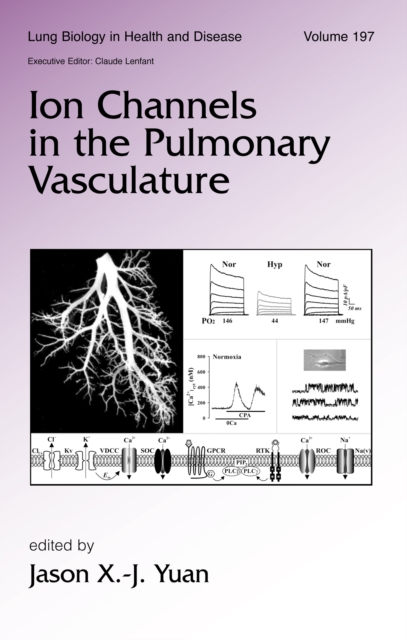
This volume presents a global overview of the role of ion flux via transmembrane ion channel proteins in the regulation of pulmonary vascular tone and in the vascular remodeling processes associated with pulmonary vascular disease-offering a comprehensive review of the multiple families of ion channels that have been identified and characterized in
Es sorprendente que una estructura tan diminuta, de dimensiones ultramicroscópicas y con una organización estructural aparentemente sencilla, pueda desempeñar funciones tan decisivas e importantes para la vida de las células.
Mononuclear Non-heme Iron Dependent Enzymes, Volume 703 focuses on methods for studying, characterizing, and leveraging the chemistry of mononuclear non-heme iron dependent enzymes.
Mononuclear Non-heme Iron Dependent Enzymes, Volume 703 focuses on methods for studying, characterizing, and leveraging the chemistry of mononuclear non-heme iron dependent enzymes.
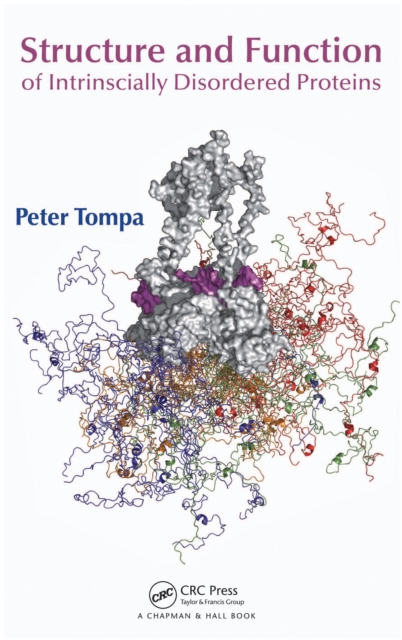
The existence and functioning of intrinsically disordered proteins (IDPs) challenge the classical structure-function paradigm that equates function with a well-defined 3D structure.
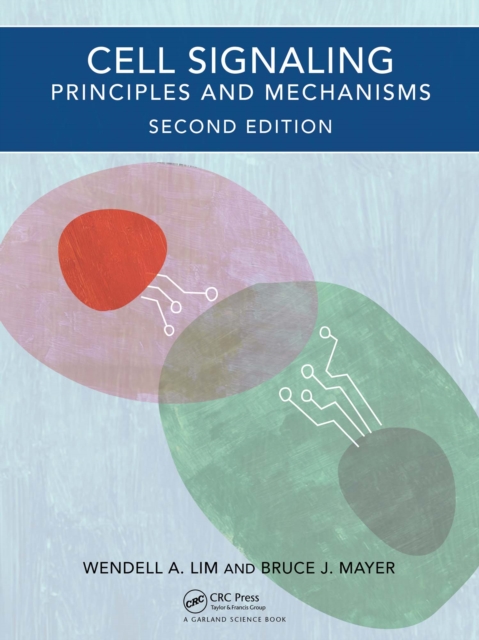
Cell Signaling provides undergraduate and graduate students with the conceptual tools needed to make sense of the dizzying array of pathways that cells use to detect, process, and respond to signals from the environment.
From disease marker identification to accelerated drug development, Protein Arrays, Biochips, and Proteomics offers a detailed overview of current and emerging trends in the field of array-based proteomics.
The first edition of this book, Basic Concepts in Organ Procurement, Perfusion and Preservation for Transplantation, was published 27 years ago, in 1982 when organ procurement and preservation began to advance in the study of the best ways to preserve organs for transplantation.
Since the discovery of Aquaporin-1 (AQP1) as a water channel, many studies have revealed the importance of aquaporins in mammalian physiology and pathophysiology as well as plant and microbial biology.
Fungi are now at the forefront of research on mechanisms in gene silencing, biological rhythm, mating processes, biogenesis of intracellular organelles, adaptations to hostile habitats, structure of natural populations, and speciation.
Driven by the widespread growth of proteomic practices, protein separation techniques have been refined to minimize variability, optimize particular applications, and adapt to user preferences in the analysis of proteins.
This book, Islet Cell Growth Factors, provides a timely contribution to the current thinking regarding the concepts in the area of islet cell regeneration with special reference to insulin secreting beta cells.
A comprehensive, multidisciplinary review, Neural Plasticity and Memory: From Genes to Brain Imaging provides an in-depth, up-to-date analysis of the study of the neurobiology of memory.
Significant advances have been made in animal model development for biological research since the publication of the first edition of this volume, and the ramifications of the FDA's Animal Efficacy Rule have become better understood in the scientific community.
First introduced to biomedical research in 1980, the term biomarker has taken on a life of its own in recent years and has come to mean a number of things.
This text begins with an in-depth overview into the human organism at the molecular, cellular, tissue and organ levels, and develops into a discussion of the objectives and features of organ systems of the evolved human.
The new edition of Gene Control, for the first time, provides extensive coverage on prokaryotic gene regulation, which makes it the only textbook offering a complete and detailed account of gene control for both prokaryotic and eukaryotic organisms.
Cryo-electron microscopy, in combination with tomography, has emerged as a new technology for visualizing molecular structures at a resolution beyond even 1 A.
This book offers an insightful exploration into the relationship between diet and Multiple Sclerosis (MS), aiming to address a crucial question: Can dietary interventions serve as effective preventative and therapeutic measures for patients with MS?
Plasma membrane-associated channels known as gap junctions, along with their protein building blocks-connexins-have an important functional role in a range of immunological processes.
Many of the toxic effects elicited by xenobiotics can be explained at the molecular level by their interaction with receptors or by disruption or interference with receptor-mediated signal transduction pathways.
Ecophysiology and Ocean Acidification in Marine Mollusks: From Molecule to Behavior provides an extensive overview of the latest research on the various ecophysiological effects of ocean acidification on marine mollusks.
Advances in fluorescent proteins, live-cell imaging, and superresolution instrumentation have ushered in a new era of investigations in cell biology, medicine, and physiology.