Advances in Clinical Chemistry, Volume 121, the latest installment in this internationally acclaimed series, contains chapters authored by world-renowned clinical laboratory scientists, physicians, and research scientists.
Advances in Clinical Chemistry, Volume 121, the latest installment in this internationally acclaimed series, contains chapters authored by world-renowned clinical laboratory scientists, physicians, and research scientists.
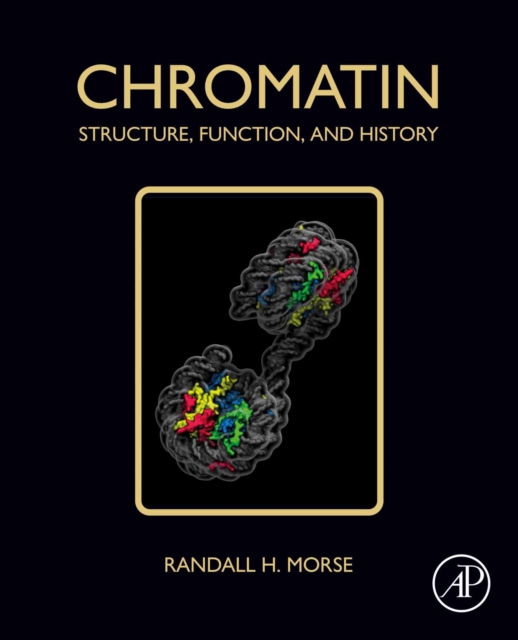
Chromatin: Structure, Function, and History covers the basics of chromatin biology, beginning with the discoveries that culminated in the recognition of the nucleosome as the basic subunit of chromatin.
Chromatin: Structure, Function, and History covers the basics of chromatin biology, beginning with the discoveries that culminated in the recognition of the nucleosome as the basic subunit of chromatin.
The Hidden World of Protein Aggregation, Volume 206 provides a comprehensive exploration of protein aggregation, uncovering the factors behind the formation of amorphous aggregates and ordered structures called amyloid fibrils.
The Hidden World of Protein Aggregation, Volume 206 provides a comprehensive exploration of protein aggregation, uncovering the factors behind the formation of amorphous aggregates and ordered structures called amyloid fibrils.
In recognition of the vital need to protect legitimate facilities from the theft and misuse of dangerous pathogens and toxins, the Laboratory Biosecurity Handbook serves as a guide to the implementation of pathogen protection programs.
Advances in Host Genetics and Microbiome in Lifestyle-Related Phenotypes, Volume 111 explores the recent discoveries in the interaction between Host Genetics-Microbiome and lifestyle-related phenotypes regarding precision nutrition, physical activity, sports performance, circadian rhythm, sleep, and rest.
Advances in Host Genetics and Microbiome in Lifestyle-Related Phenotypes, Volume 111 explores the recent discoveries in the interaction between Host Genetics-Microbiome and lifestyle-related phenotypes regarding precision nutrition, physical activity, sports performance, circadian rhythm, sleep, and rest.
Advanced Biophysical Techniques for Polysaccharides Characterization offers a detailed insight into the cutting-edge techniques available for the identification, quantification, characterization and structural analysis of polysaccharides.
Principles of Proteomics, Second Edition, provides a concise and user-friendly introduction to the diverse technologies used for the large-scale analysis of proteins, as well as their applications, and their impact in areas such as drug discovery, agriculture, and the fight against disease.
Peptide Chemical Tools for Modulating Biology, Volume 698 in the esteemed Methods in Enzymology series, highlights new advances in the field, with this new volume presenting interesting topics on Peptide tools that target telomere maintenance, Molecular Design of Peptide Therapeutics, Sulfonyl peptide tools for modulating biology, Peptide tools for targeting the Crk/CrkL-p130Cas axis, Quorum sensing peptide tools, In vivo stability and BBB penetration of peptide tools, and Oligo-benzamide-based peptide mimicking tools for modulating biology.
Peptide Chemical Tools for Modulating Biology, Volume 698 in the esteemed Methods in Enzymology series, highlights new advances in the field, with this new volume presenting interesting topics on Peptide tools that target telomere maintenance, Molecular Design of Peptide Therapeutics, Sulfonyl peptide tools for modulating biology, Peptide tools for targeting the Crk/CrkL-p130Cas axis, Quorum sensing peptide tools, In vivo stability and BBB penetration of peptide tools, and Oligo-benzamide-based peptide mimicking tools for modulating biology.
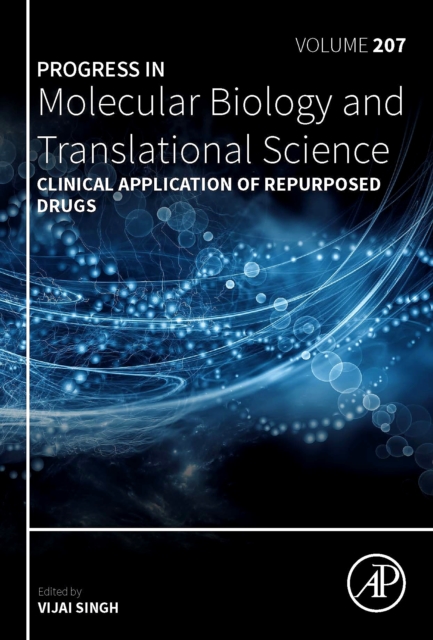
Clinical Application of Repurposed Drugs, Volume 207 in the Progress in Molecular Biology and Translational Science series, highlights new advances in the field, with this new volume presenting interesting chapters on Drug repurposing for viral disease, Drug repurposing for bacterial infections, Drug repurposing for parasitic protozoan diseases, Drug repurposing for fungal infections, Drug repurposing for treating anxiety and depression, Drug repurposing for personalized medicine, Drug repurposing for cancer, Drug Repurposing: A multi targeted approach to treat cardiac disease from existing classical drugs to modern drug discovery, and much more.
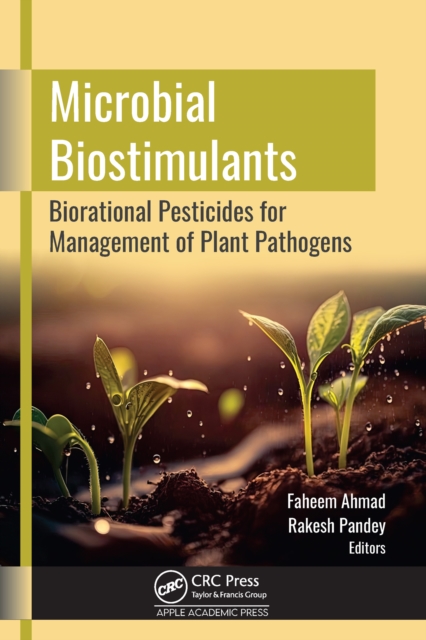
This new volume explores the field of microbial biostimulants, a new and emerging field of plant study that emphasizes the benefit of microbes for plants.
Terpene Synthases, Volume 700 in the Methods in Enzymology series, continues the legacy of this highly respected laboratory standard with its first dedicated collection on this important family of enzymes.
Terpene Synthases, Volume 700 in the Methods in Enzymology series, continues the legacy of this highly respected laboratory standard with its first dedicated collection on this important family of enzymes.
Fluorine Metabolism, Transport and Enzymatic Chemistry, Volume 696 in the Methods in Enzymology series, highlights new advances in the field, with this new volume presenting interesting topics on Fluorine Metabolism, Transport, and Enzymatic Chemistry.
This edited book is a comprehensive compilation of applications of plant molecular farming in various fields including agriculture, industry and medicine, using different plant/crop systems as bioreactors for the bulk production of products of interest.
This edited book is a comprehensive compilation of applications of plant molecular farming in various fields including agriculture, industry and medicine, using different plant/crop systems as bioreactors for the bulk production of products of interest.
Gut microbiota plays a crucial role in preventing cancer by influencing the immune system, regulating inflammation, and producing beneficial metabolites.
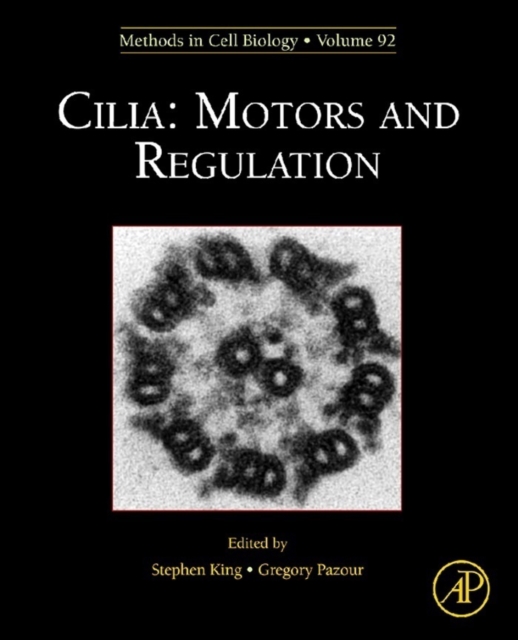
Along with its companion volume on axonemal dynein-mediated motility, this book provides researchers with a comprehensive and up-to-date source of methods for the analysis cilia and flagella, focusing primarily on approaches that have been devised or significantly extended since the last volume of Methods in Cell Biology on this topic (volume 47, 1995).
Along with its companion volume on axonemal dynein-mediated motility, this book provides researchers with a comprehensive and up-to-date source of methods for the analysis cilia and flagella, focusing primarily on approaches that have been devised or significantly extended since the last volume of Methods in Cell Biology on this topic (volume 47, 1995).
Fluorine Metabolism, Transport and Enzymatic Chemistry, Volume 696 in the Methods in Enzymology series, highlights new advances in the field, with this new volume presenting interesting topics on Fluorine Metabolism, Transport, and Enzymatic Chemistry.
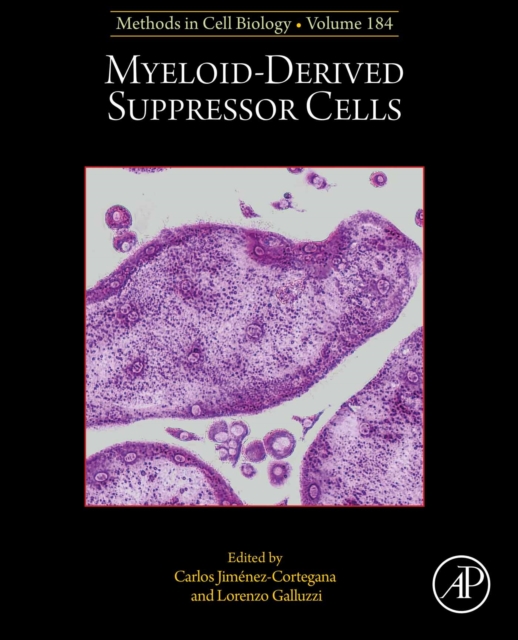
Myeloid-Derived Suppressor Cells, Volume 184 in the Methods in Cell Biology series includes comprehensive protocols to assess the role of myeloid-derived suppressor cells (MDSCs), an immature, heterogenous cell population from the myeloid lineage with a potent immunosuppressive activity in a variety of diseases.
Antimicrobial Peptides, Volume 663 in the Methods in Enzymology series, highlights new advances in the field, with this new volume presenting interesting chapters on Unifying the classification of antimicrobial peptides in the Antimicrobial Peptide Database, Optimizing peptide library creation for PepSAVI-MS (RP libraries, etc.
Targeting Signaling Pathways in Solid Tumors, Part A, Volume 385 in the International Review of Cell and Molecular Biology series, highlights new advances in the field, with this new volume presenting interesting chapters on topics such as Drugging the Undruggable: Advances in Targeting KRAS Signaling in Solid Tumors, Emerging Trends in Gastrointestinal Cancers: Targeting Developmental Pathways in their Carcinogenesis and Tumor Progression, Importance of targeting various cell signaling pathways in solid cancers, Targeting signaling pathways in cancer stem cells: a potential approach for developing novel anticancer therapeutics, Factors affecting heterogeneity in breast cancer microenvironment: A narrative review, and much more.
Antimicrobial Peptides, Volume 663 in the Methods in Enzymology series, highlights new advances in the field, with this new volume presenting interesting chapters on Unifying the classification of antimicrobial peptides in the Antimicrobial Peptide Database, Optimizing peptide library creation for PepSAVI-MS (RP libraries, etc.
Myeloid-Derived Suppressor Cells, Volume 184 in the Methods in Cell Biology series includes comprehensive protocols to assess the role of myeloid-derived suppressor cells (MDSCs), an immature, heterogenous cell population from the myeloid lineage with a potent immunosuppressive activity in a variety of diseases.
Molecular Biology and Clinical Medicine in the Age of Politicization, Volume 188 provides readers with an appreciation of the practical effects of the politicization of science on their work.
Targeting Signaling Pathways in Solid Tumors, Part A, Volume 385 in the International Review of Cell and Molecular Biology series, highlights new advances in the field, with this new volume presenting interesting chapters on topics such as Drugging the Undruggable: Advances in Targeting KRAS Signaling in Solid Tumors, Emerging Trends in Gastrointestinal Cancers: Targeting Developmental Pathways in their Carcinogenesis and Tumor Progression, Importance of targeting various cell signaling pathways in solid cancers, Targeting signaling pathways in cancer stem cells: a potential approach for developing novel anticancer therapeutics, Factors affecting heterogeneity in breast cancer microenvironment: A narrative review, and much more.
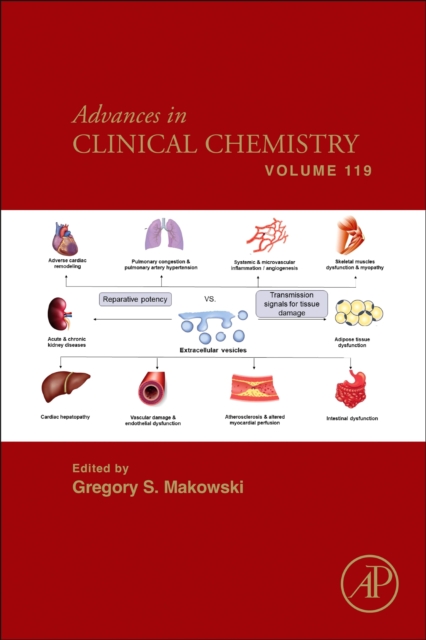
Advances in Clinical Chemistry, Volume 119, the latest installment in this internationally acclaimed series, contains chapters authored by world-renowned clinical laboratory scientists, physicians and research scientists.
Animal Models of Disease, Part A, Volume 185 in the Methods in Cell Biology series, highlights advances in the field, with this new volume presenting interesting chapters on a variety of timely topics, including New mouse model to study aneurysm development, Mouse Model of Secondary Cystic Echinococcosis, Modelling childhood cancer in Drosophila, Analysis of immunohistomorphological changes in the colonic mucosa in a high-saturated fat and high-cholesterol fed streptozotocin/nicotinamide diabetic rat model, Establishment of an orthotopic Glioblastoma mouse model for preclinical studies, Lateral Fluid Percussion Injury as a Model for Traumatic Brain Injury, Ovarian and colorectal peritoneal carcinomatosis in mouse models, and more.
Molecular Biology and Clinical Medicine in the Age of Politicization, Volume 188 provides readers with an appreciation of the practical effects of the politicization of science on their work.
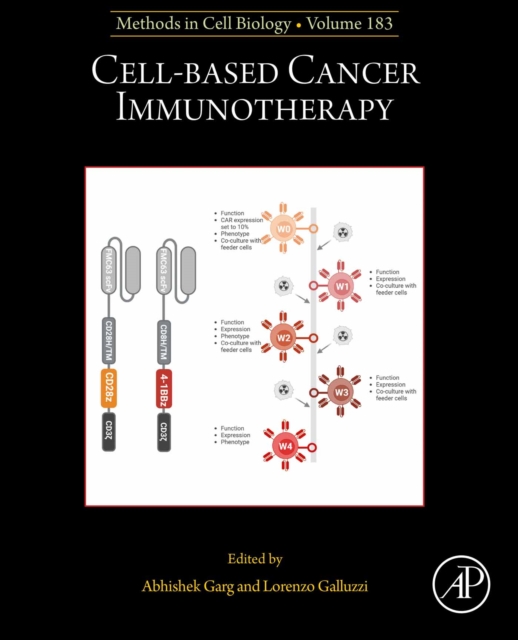
Cell-based Cancer Immunotherapy, Volume 183 provides the latest progress concerning research on anticancer cellular immunotherapies and their immunological, translation, or clinical aspects.
Animal Models of Disease, Part A, Volume 185 in the Methods in Cell Biology series, highlights advances in the field, with this new volume presenting interesting chapters on a variety of timely topics, including New mouse model to study aneurysm development, Mouse Model of Secondary Cystic Echinococcosis, Modelling childhood cancer in Drosophila, Analysis of immunohistomorphological changes in the colonic mucosa in a high-saturated fat and high-cholesterol fed streptozotocin/nicotinamide diabetic rat model, Establishment of an orthotopic Glioblastoma mouse model for preclinical studies, Lateral Fluid Percussion Injury as a Model for Traumatic Brain Injury, Ovarian and colorectal peritoneal carcinomatosis in mouse models, and more.