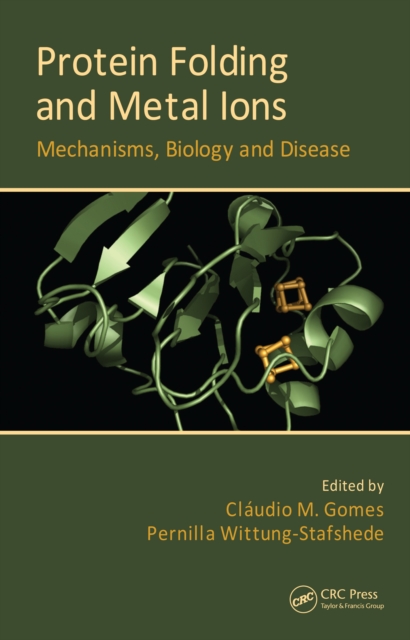
The role of metal ions in protein folding and structure is a critical topic to a range of scientists in numerous fields, particularly those working in structural biology and bioinorganic chemistry, those studying protein folding and disease, and those involved in the molecular and cellular aspects of metals in biological systems.
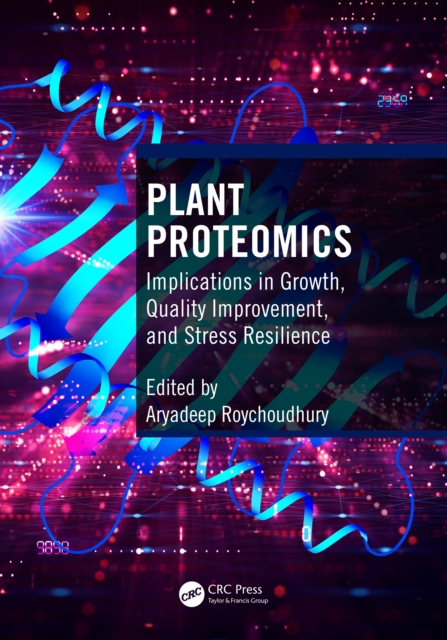
There have been several advancements made in high-throughput protein technologies creating immense possibilities for studying proteomics on a large scale.
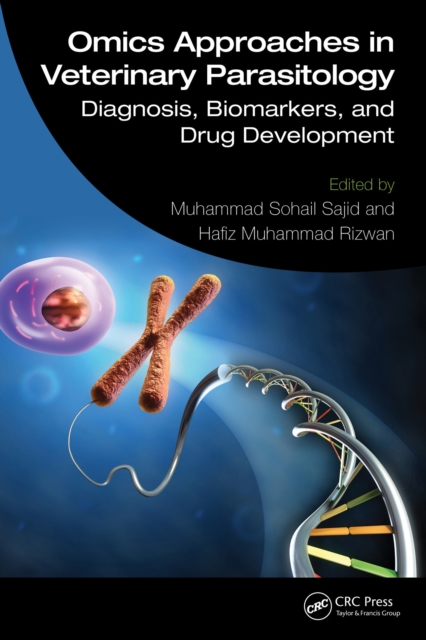
Omics Approaches in Veterinary Parasitology: Diagnosis, Biomarkers, and Drug Development explores applications of omics approaches for diagnosis, biomarker discovery, and drug development against parasites of veterinary importance.
Magnetic Tweezers for the Study of Protein Structure and Function, Volume 694 in the Methods in Enzymology serial highlights new advances in the field, with this new volume presenting interesting chapters on a variety of topics, including Single membrane protein tethering for magnetic tweezer experiments, Membrane protein folding studies using a robust magnetic tweezer method, Magnetic tweezers in cell mechanics, and more.
RNA Therapeutics, Part B, Volume 204 updates on a new class of medication based on RNA molecules, with chapters on a variety of topics, including RNA therapeutics for cardiovascular disorders, RNA therapeutics for kidney injury, RNA therapeutics for beta-thalassemia, RNA therapeutics for infectious diseases, RNA therapeutics for reproductive diseases, Potential of RNA and transcriptomic data to drive drug repurposing for various diseases, RNA therapeutics for glioma/glioblastoma, RNA therapeutics for regenerative medicine, Advances in the liposome-based delivery systems for RNA therapeutics in cancer, Advances in the polymeric nanoparticulate delivery systems for RNA therapeutics in cancer, and more.
Magnetic Tweezers for the Study of Protein Structure and Function, Volume 694 in the Methods in Enzymology serial highlights new advances in the field, with this new volume presenting interesting chapters on a variety of topics, including Single membrane protein tethering for magnetic tweezer experiments, Membrane protein folding studies using a robust magnetic tweezer method, Magnetic tweezers in cell mechanics, and more.
Circadian rhythms have been shown to be ubiquitous and critically important in the experimental laboratory, accounting for the difference between life and death in response to identical stimulus.
Circadian rhythms have been shown to be ubiquitous and critically important in the experimental laboratory, accounting for the difference between life and death in response to identical stimulus.
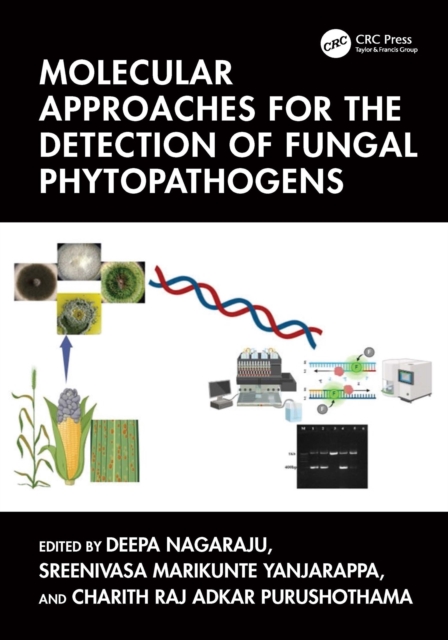
This book provides comprehensive knowledge of the methods of detection and identification of phyllosphere microbial pathogens and the management of different kinds of diseases caused by them in various crops.
Profiles of Drug Substances, Excipients, and Related Methodology, Volume 49 provides timely and pertinent information on a variety of timely topics, including Physical Profiles of Drug Substances and Excipients; Analytical Profiles of Drug Substances and Excipients; ADME Profiles of Drug Substances and Excipients; Methodology Related to the Characterization of Drug Substances and Excipients; and Methods of Chemical Synthesis.
RNA Therapeutics, Part B, Volume 204 updates on a new class of medication based on RNA molecules, with chapters on a variety of topics, including RNA therapeutics for cardiovascular disorders, RNA therapeutics for kidney injury, RNA therapeutics for beta-thalassemia, RNA therapeutics for infectious diseases, RNA therapeutics for reproductive diseases, Potential of RNA and transcriptomic data to drive drug repurposing for various diseases, RNA therapeutics for glioma/glioblastoma, RNA therapeutics for regenerative medicine, Advances in the liposome-based delivery systems for RNA therapeutics in cancer, Advances in the polymeric nanoparticulate delivery systems for RNA therapeutics in cancer, and more.
Chitosan-based hybrid nanomaterials for environmental remediation focuses on chitosan, an abundantly occurring biopolymer, to present possibilities for the removal of contaminants and a greener approach towards a cleaner environment - combining nanotechnology with the deployment of naturally occurring materials to remedy environmental challenges.
Profiles of Drug Substances, Excipients, and Related Methodology, Volume 49 provides timely and pertinent information on a variety of timely topics, including Physical Profiles of Drug Substances and Excipients; Analytical Profiles of Drug Substances and Excipients; ADME Profiles of Drug Substances and Excipients; Methodology Related to the Characterization of Drug Substances and Excipients; and Methods of Chemical Synthesis.
Chitosan-based hybrid nanomaterials for environmental remediation focuses on chitosan, an abundantly occurring biopolymer, to present possibilities for the removal of contaminants and a greener approach towards a cleaner environment - combining nanotechnology with the deployment of naturally occurring materials to remedy environmental challenges.
Epigenetic Regulation of Cancer, Part B, Volume 383 in the International Review of Cell and Molecular Biology series, highlights new advances in the field, with this new volume presenting interesting chapters on a variety of hot topics, including Epigenetic control of cell signaling in cancer stem cells, Genetic and epigenetic features of neuroendocrine prostate cancer and their emerging applications, Epigenetic regulation in pancreatic cancer, Epigenome Editing in Cancer: Advances and Challenges for Potential Therapeutic Options, Inhibition of epigenetic mechanisms in cancer, and Epigenetics as a determinant of radiation response in cancer.
Diverse in chemical nature, water soluble and lipid soluble vitamins are essential micronutrients that react with specific protein entities and are transported to sites for participation in intracellular events, both at the genomic and non-genomic levels.
Genome Stability: DNA Repair and Recombination describes the various mechanisms of repairing DNA damage by recombination, most notably the repair of chromosomal breaks.
Epigenetic Regulation of Cancer, Part B, Volume 383 in the International Review of Cell and Molecular Biology series, highlights new advances in the field, with this new volume presenting interesting chapters on a variety of hot topics, including Epigenetic control of cell signaling in cancer stem cells, Genetic and epigenetic features of neuroendocrine prostate cancer and their emerging applications, Epigenetic regulation in pancreatic cancer, Epigenome Editing in Cancer: Advances and Challenges for Potential Therapeutic Options, Inhibition of epigenetic mechanisms in cancer, and Epigenetics as a determinant of radiation response in cancer.
Applied Molecular Biotechnology: The Next Generation of Genetic Engineering explains state-of-the-art advances in the rapidly developing area of molecular biotechnology, the technology of the new millennium.
The association of a suspect with the victim or crime scene through DNA evidence is one of the most powerful statements of complicity in a crime imaginable.
Synthesizing over thirty years of advances into a comprehensive textbook, Biomolecular Crystallography describes the fundamentals, practices, and applications of protein crystallography.
Viruses: Biology, Application, and Control is a concise advanced undergraduate and graduate textbook covering the essential aspects of virology included in biomedical science courses.
The Synthetic Biology Handbook explains the major goals of the field of synthetic biology and presents the technical details of the latest advances made in achieving those goals.
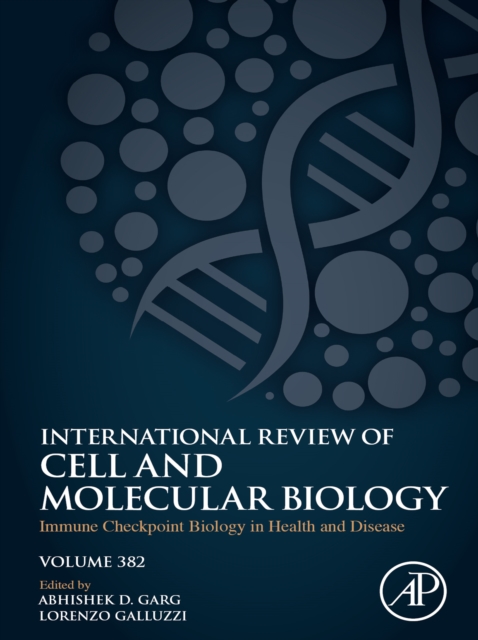
Immune Checkpoint Biology in Health and Disease, Volume 382 provides in-depth reviews on the latest progress concerning research on immune-checkpoint biology and its immunotherapeutic implications, especially in cancer.
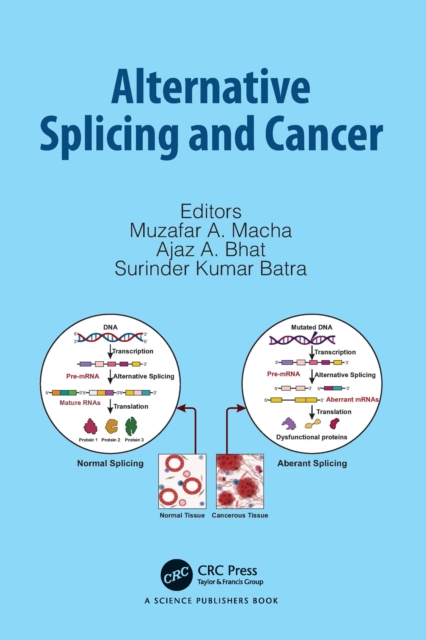
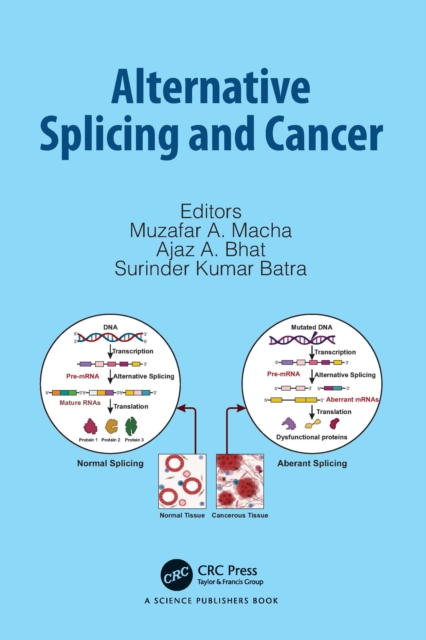
This book Alternative Splicing and Cancer explores the crucial role alternative splicing, a post-transcriptional process, plays in human health and diseases, particularly cancer.
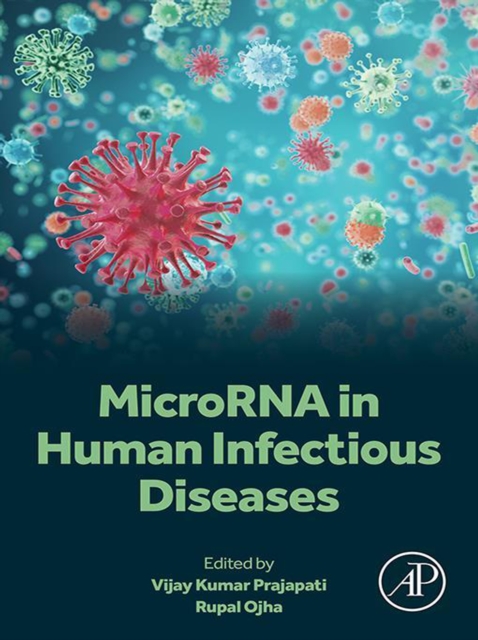
MicroRNA in Human Infectious Diseases offers a detailed overview of the therapeutic and diagnostic role microRNAs can play in the treatment of various infectious diseases.
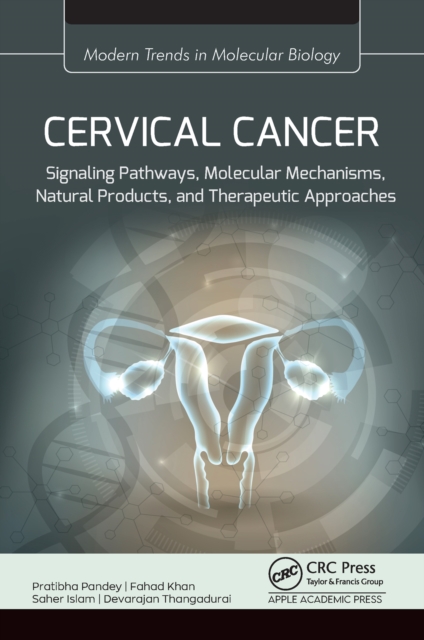
There has been a tremendous advancement in cancer therapeutics, and this book focuses on new approaches to one of the major cancers of the female reproductive systema "e;cervical cancer.
MicroRNA in Human Infectious Diseases offers a detailed overview of the therapeutic and diagnostic role microRNAs can play in the treatment of various infectious diseases.
Immune Checkpoint Biology in Health and Disease, Volume 382 provides in-depth reviews on the latest progress concerning research on immune-checkpoint biology and its immunotherapeutic implications, especially in cancer.
This book Alternative Splicing and Cancer explores the crucial role alternative splicing, a post-transcriptional process, plays in human health and diseases, particularly cancer.
This book addresses complex problems associated with crop improvement programs, using a wide range of programming solutions, for genomics data handling and sustainable agriculture.