There has been a surge in critical situations such as malnutrition, agricultural productivity, viral diseases, noncommunicable diseases, antibiotic resistance, and depletion of natural resourcest hreatening human welfare during the last decade.
This book provides an understanding of the consequences of induced proteins in the toxicological response of cells to chemical and radiation damage to DNA and will be helpful in creating proper mathematical models for extrapolation to low doses and assessing human exposure or cellular injury.
The Cardiovascular Glycocalyx in Health and Disease, Volume 91 gives updates on the glycocalyx function through the cardiovascular system and its integration in whole system physiology.
Epigenetics in Health and Disease, Volume 197 in the Progress in Molecular Biology and Translational Science series, highlights new advances in the field, with this new volume presenting interesting chapters on An Introduction to epigenetics in health and disease, State-of-the-art techniques for epigenetics study, Computational biology in epigenetics, Artificial intelligence and machine learning in epigenetics, CRISPR-Cas systems in epigenetics modification for health, Mechanisms of DNA methylation and histone modifications, Non-coding RNA in epigenetics, Role of DNA Methylation in cardiovascular diseases, Role of epigenetics in renal diseases, and much more.
This book is designed to be a central text for young graduate students interested in mass spectrometry as it relates to the study of protein structure and function as well as proteomics.
How genes are not the only basis of heredity-and what this means for evolution, human life, and diseaseFor much of the twentieth century it was assumed that genes alone mediate the transmission of biological information across generations and provide the raw material for natural selection.
Understanding PCR: A Practical Bench-Top Guide gives you all of the information you need to plan your first PCR, from reagents to conditions to analysis and beyond.
Molecular Docking for Computer-Aided Drug Design: Fundamentals, Techniques, Resources and Applications offers in-depth coverage on the use of molecular docking for drug design.
Chemokines, the latest volume in the Methods in Enzymology series, continues the legacy of this premier serial with quality chapters authored by leaders in the field.
This book provides valuable coverage on various immunomodulatory research associated with nutraceutical studies, from plant to animal and marine sources.
Building upon the previous volumes, The Chemical Biology of Sulfur, The Chemical Biology of Phosphorus, and The Chemical Biology of Nitrogen, this book examines the organic chemistry of life, The Chemical Biology of Carbon.
Microbial Xylanolytic Enzymes describes the enzyme structure and its interaction with plant cell walls, the properties and production of different enzymes and their applications, and the knowledge gathered on the hydrolysis mechanism of hemicellulose.
Cell Signaling provides undergraduate and graduate students with the conceptual tools needed to make sense of the dizzying array of pathways that cells use to detect, process, and respond to signals from the environment.
Gas molecules such as O2, NO, CO and ethylene are present in the environment and are endogenously (enzymatically) produced to act as signalling molecules in biological systems, including the regulation of metabolic networks, chemotaxis, circadian rhythms, mammalian hypoxia responses, and plant ethylene responses by transcriptional, translational, or post translational control.
The transformation of polysaccharides into valuable compounds for health and industry requires the careful application of enzyme protocols and controlled biocatalysis.
This volume covers all methods used to discover the composition, structure, and dynamics of the nuclear pore complex (NPC), as well as the soluble transport factors involved in the transport process.
This detailed book explores protocols with the aim of testing aerobic exercise, resistance training, special diets, additives and natural products, which have led to new insights into the physiological and molecular aspects of health and disease.
Myeloid-Derived Suppressor Cells, Volume 375 includes comprehensive and detailed reviews on the current advances in myeloid derived suppressor cells, an immature, heterogenous cell population from the myeloid lineage that has been extensively described in the last decades due to its potent immunosuppressive activity in a variety of pathologies.
Epigenetics in Health and Disease, Volume 197 in the Progress in Molecular Biology and Translational Science series, highlights new advances in the field, with this new volume presenting interesting chapters on An Introduction to epigenetics in health and disease, State-of-the-art techniques for epigenetics study, Computational biology in epigenetics, Artificial intelligence and machine learning in epigenetics, CRISPR-Cas systems in epigenetics modification for health, Mechanisms of DNA methylation and histone modifications, Non-coding RNA in epigenetics, Role of DNA Methylation in cardiovascular diseases, Role of epigenetics in renal diseases, and much more.
Strigolactones, Alkamides and Karrikins in Plants: Recent Updates and Future Prospects provides comprehensive knowledge on the various aspects of plant growth, physiology, and communication associated with the three potential biomolecules.
This first-of-its-kind four-volume book series provides up-to-date information on I -amino acids, detailing the potential challenges in working with I -amino acids, the protecting groups for the carboxyl, side chain groups of the amino acids, and the most popular heterocyclic compounds that are originating from I -amino acids.
This is the third volume of a first-of-its-kind four-volume book set that provides readers with up-to-date information on I -amino acids, the potential challenges in working with I -amino acids, the protecting groups for the carboxyl, amino and side chain groups of the amino acids, and the most popular heterocyclic compounds that are originating from I -amino acids.
This is the third volume of a first-of-its-kind four-volume book set that provides readers with up-to-date information on I -amino acids, the potential challenges in working with I -amino acids, the protecting groups for the carboxyl, amino and side chain groups of the amino acids, and the most popular heterocyclic compounds that are originating from I -amino acids.
This is the second volume of a first-of-its-kind four-volume book set that provides readers with up-to-date information on I -amino acids, the potential challenges in working with I -amino acids, the protecting groups for the carboxyl, amino and side chain groups of the amino acids, and the most popular heterocyclic compounds that are originating from alpha-amino acids.
Spectroscopy can be defined as the study of the interaction of electromagnetic radiation with matter, during which absorption, emission, or scattering of radiation may take place.
Spectroscopy can be defined as the study of the interaction of electromagnetic radiation with matter, during which absorption, emission, or scattering of radiation may take place.
This first-of-its-kind four-volume book series provides up-to-date information on I -amino acids, detailing the potential challenges in working with I -amino acids, the protecting groups for the carboxyl, side chain groups of the amino acids, and the most popular heterocyclic compounds that are originating from I -amino acids.
Building upon the previous volumes, The Chemical Biology of Sulfur, The Chemical Biology of Phosphorus, and The Chemical Biology of Nitrogen, this book examines the organic chemistry of life, The Chemical Biology of Carbon.
Receptor Endocytosis and Signalling in Health and Disease, Part B, Volume 196 highlights the different aspects of receptor endocytosis and signaling, covering several receptors which are associated with different organs and that play a key role in normal functioning in the body, including somatostatin, Mas receptor, AMPA, Dopamine, 5-HT1-2, GABA, GPCR, nuclear receptor, Integrin, BCR, CRHR1, etc.
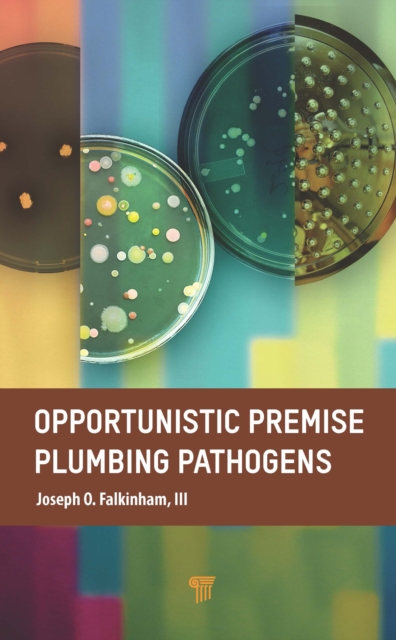
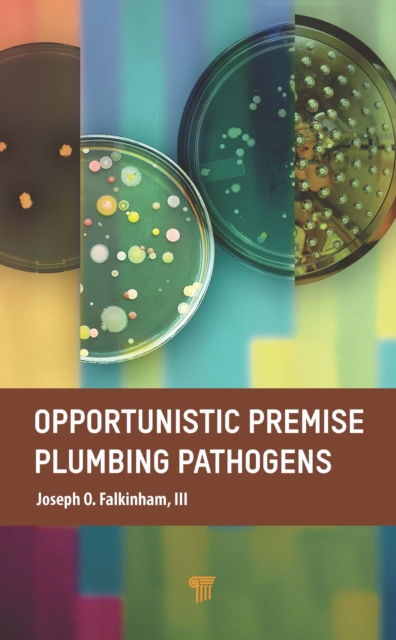
Legionella pneumophila, Pseudomonas aeruginosa, and Mycobacterium avium are water-borne opportunistic premise plumbing pathogens (OPPPs) that cause human disease of great economic cost.
Legionella pneumophila, Pseudomonas aeruginosa, and Mycobacterium avium are water-borne opportunistic premise plumbing pathogens (OPPPs) that cause human disease of great economic cost.
Integrated Methods in Protein Biochemistry: Part B, Volume 678 in the Methods in Enzymology series, highlights new advances in the field, with this new volume presenting interesting chapters on a variety of topics, including Precise modification of native proteins, purification, and analysis of bioconjugates, NanoBiT-based methods to monitor the activation and modulation of RTKs, The interplay of G-protein y subunit and PLC- enzyme in PIP2 hydrolysis and downstream signaling, Structure and function of bacterial secretion system, Tools and protocols for probing protein sumoylation, Spectroscopic analysis of cysteine dioxygenase: a mammalian thiol-dioxygenase, DeGlyPHER: MS-based analysis of viral spike N-glycoforms, and more.
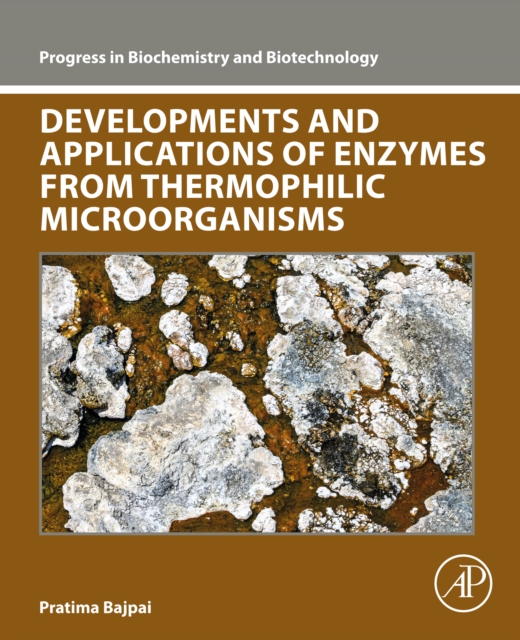
Developments and Applications of Enzymes from Thermophilic Microorganisms extensively presents the industrial application of thermophilic/hyperthermophilic enzymes.
G Protein-Coupled Receptors, Part B, Volume 195 represents the largest class of cell H103 surface proteins that have intricate involvement in nearly every physiological process in our body.
A fascinating historical account of the American Phage Group and how its new research framework became the foundation for molecular biology This book is the first critical and analytical study of the American Phage Group-a small group of scientists who gathered around Max Delbruck, Salvador Luria, and Alfred Hershey between 1940 and 1960-and how this novel research program became the foundation of the field of molecular biology.