For over fifty years the Methods in Enzymology series has been the critically aclaimed laboratory standard and one of the most respected publications in the field of biochemistry.
Current Topics in Membranes provides a systematic, comprehensive, and rigorous approach to specific topics relevant to the study of cellular membranes.
Computational Intelligence in Protein-Ligand Interaction Analysis presents computational techniques for predicting protein-ligand interactions, recognizing protein interaction sites, and identifying protein drug targets.
Advanced Biophysical Techniques for Polysaccharides Characterization offers a detailed insight into the cutting-edge techniques available for the identification, quantification, characterization and structural analysis of polysaccharides.
Correlative Light and Electron Microscopy V, Volume 187 in the Methods in Cell Biology series, highlights advances in the field, with this new volume presenting interesting chapters on timely topics, including Orthotopic brain tumor models derived from glioblastoma stem-like cells, RNA sequencing in hematopoietic stem cells, Generation of inducible pluripotent stem cells from human dermal fibroblasts, In vitro preparation of dental pulp stem cell grafts combined with biocompatible scaffolds for tissue engineering, Gene expression knockdown in chronic myeloid leukemia stem cells, Identification and isolation of slow-cycling GSCs, Assessment of CD133, EpCAM, and much more.
This book offers a basic understanding of the complex mechanisms that protect the brain from harmful substances while still allowing for essential functions such as nutrient transport and waste removal.
Microbial Biostimulants for Plant Growth, Development and Abiotic Stress Amelioration provides readers with insights into the major role of biostimulants in plant growth and development while under abiotic stress.
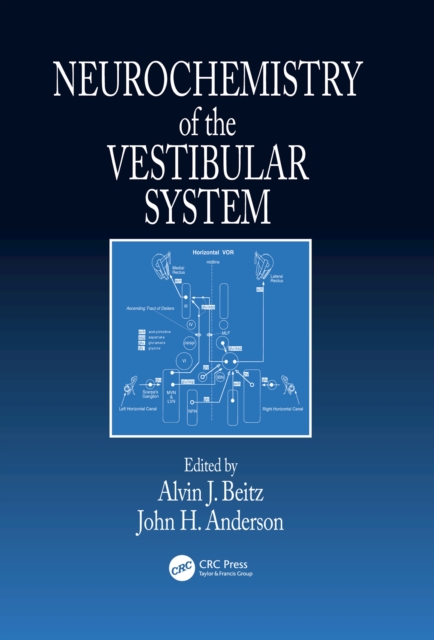
Neurochemistry of the Vestibular System covers the proliferation of information stemming from the technical advances in the areas of molecular biology and neurochemistry.
Chromatin and DNA Repair in Cancer, Volume 364 in the International Review of Cell and Molecular Biology series reviews and details current advances in cell and molecular biology.
Biosensors for Single-Cell Analysis explores a wide range of biosensor technologies and their applications in single-cell characterization and analysis.
Enzyme immobilization has been approached for finding solutions for various critical problems associated with industries, medicine, environment, agriculture, etc.
Ion Channels in Cancer, Volume 92 in the Current Topics in Membranes series, highlights advances in the field, including chapters on the Interplay of calcium and potassium signals in cell cycle and cancer, Non-conducting functions of ion channels in cancer and neurological disease, Sodium channels and progression of solid tumors, The Elusive Nav1.
Gangliosides in Health and Disease, Volume 156, presents the latest information on Gangliosides, a class of glycolipids that are found on all vertebrate cell surfaces, and are particularly abundant in the brain.
Laboratory Guide: Concepts and Protocols for Practical Courses in Biochemistry and Molecular Biology communicates science to novice and advanced learners and teaches students about basic concepts and their practical applications in the laboratory.
This book re-examines the endosymbiotic theory, and presents various related theories and hypotheses since the first proposal in 1905 by a Russian biologist.
This unique volume reviews the beautiful architectures and varying mechanical actions of the set of specialized cellular proteins called molecular chaperones, which provide essential kinetic assistance to processes of protein folding and unfolding in the cell.
This book will serve as the preeminent text book on the topic of 'base excision repair', a key DNA repair pathway that protects cells from most spontaneous forms of DNA damage, including oxidative lesions that arise both in the nuclear and mitochondrial genomes.
Untangling Molecular Biodiversity presents a unique global framework to explain molecular and organismal biodiversity that is grounded in evolutionary genomics.
Rhabdoviruses and Filoviruses are single-stranded, non-segmented, negative-strand RNA viruses, many of which cause significant morbidity and mortality in humans and animals.
This volume emphasizes recent research developments in the field of plant viral pathogenesis and disease resistance, focusing on the underlying molecular biology as well as the application of recent advances to agricultural problems.
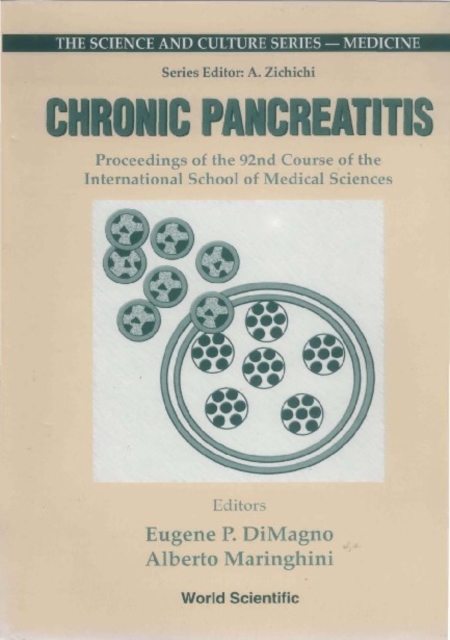
This volume focuses on novel developments in our basic understanding of the anatomy, molecular biology and cell biology of the normal human pancreas and the mechanisms underlying changes in chronic pancreatitis.
This important volume is mainly concerned with the development of methods for "e;sequencing"e; - that is, determination of the order of the amino acids in proteins and of nucleotides in RNA and DNA.
Computation in Cellular and Molecular Biological Systems is a selection of papers presented at the First International Workshop on Information Processing in Cells and Tissues (IPCAT 95).
In view of the rapid growth in both experimental and theoretical studies of multi-photon processes and multi-photon spectroscopy of atoms, ions and molecules in chemistry, physics, biology, materials science, etc.
In view of the rapid growth in both experimental and theoretical studies of multi-photon processes and multi-photon spectroscopy of atoms, ions and molecules in chemistry, physics, biology, materials science, etc.
In view of the rapid growth in both experimental and theoretical studies of multi-photon processes and multi-photon spectroscopy of atoms, ions and molecules in chemistry, physics, biology, materials science, etc.
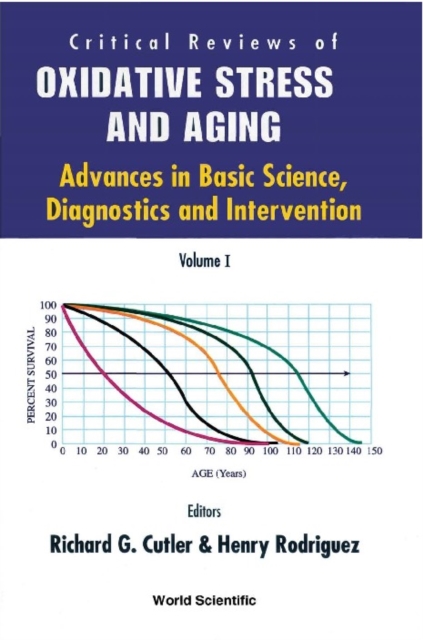
This innovative and comprehensive reference book provides the most up-to-date information pertaining to the translational research field of oxidative stress and aging.
This book contains important contributions from top international scientists on the-state-of-the-art of femtochemistry and femtobiology at the beginning of the new millennium.
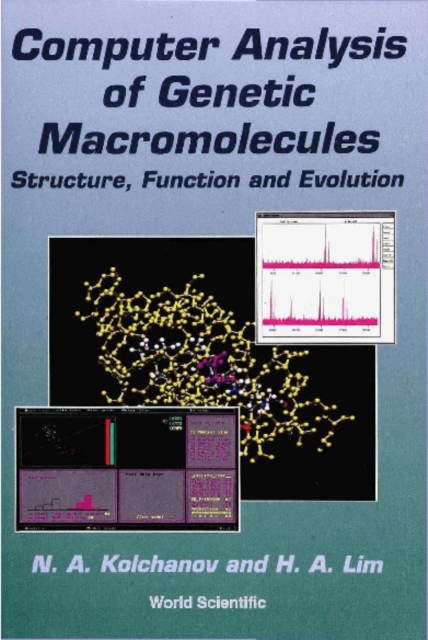
This book contains articles written by experts on a wide range of topics that are associated with the analysis and management of biological information at the molecular level.
In view of the rapid growth in both experimental and theoretical studies of multi-photon processes and multi-photon spectroscopy of atoms, ions and molecules in chemistry, physics, biology, materials science, etc.
Numerous studies have established a clear connection between neuronal oxidative stress and several neurodegenerative diseases, with consequential damages to lipids, proteins, nucleic acids, etc.