This volume presents a timely and comprehensive overview of biological networks at all organization levels in the spirit of the complex systems approach.
Witchweeds (Striga species) decimate agriculture in much of Africa and parts of Asia, attacking the major cereal grains and legumes, and halving the already very low yields of subsistence farmers.
This book addresses the innovative themes in characterizing the cellular membrane platforms and intracellular networking, as well as the architectural aspects of cell compartments mediated by the entry and replication cycles of viruses.
The history of molecular biology in Germany is closely linked to the Institute of Genetics in Cologne, the first molecular biological Institute at a German university.
While the field of computational structural biology or structural bioinformatics is rapidly developing, there are few books with a relatively complete coverage of such diverse research subjects studied in the field as X-ray crystallography computing, NMR structure determination, potential energy minimization, dynamics simulation, and knowledge-based modeling.
The role played by structural proteomics in the first decade of the 21st century is equivalent to that played by the Human Genome Project in the last decade of the 20th century.
Computational structural biology has made tremendous progress over the last two decades, and this book provides a recent and broad overview of such computational methods in structural biology.
Biological research and recent technological advances have resulted in an enormous increase in research data that require large storage capacities, powerful computing resources, and accurate data analysis algorithms.
This volume is a reprinted collection of 69 "e;classics"e; from the Avise laboratory, chosen to illustrate a trademark brand of research that harnesses molecular markers to scientific studies of natural history and evolution in the wild.
Understanding the functions and properties of molecules in living systems requires a detailed knowledge of their three-dimensional structures and the conformational variability that allows them to adopt multiple functional forms.
In the past few decades there has been incredible growth in "e;bionano"e;-related research, which has been accompanied by numerous publications in this field.
Complied by an expert editorial team with noteworthy and remarkable experience, this book covers technological aspects related to probiotics, not only in terms of delivery modes but also in terms of protection technologies.
Advances in stem cell biology and biotechnology have sparked hopes that therapies will soon be available for maladies which were considered incurable before.
The main objective of this book is to bring together multidisciplinary contributions from leading authorities on the properties and roles of water in cell systems which are otherwise dispersed in the literature and difficult to gather.
This thought-provoking publication covers a wide-range of innovative areas of research and technologies that are unlocking groundbreaking new potentials in science.
In October 2017, Nobel laureate Sydney Brenner (Physiology or Medicine, 2002) gave four lectures on the history of Molecular Biology, its impact on Neuroscience and the great scientific questions that lie ahead.
This book describes the growth of information on specific aspects of physiology and pathology of particular disorders and provides an analysis of the processes and contributions of pioneers to discovery.
'As an innovative treatment of scientific topics with philosophical undertones, this is an impressive work, Some may not be convinced by the arguments, but for scientists and philosophers alike the author presents a thesis worth exploring.
This book provides a comprehensive coverage of the basic principles of structural biology, as well as an up-to-date summary of some main directions of research in the field.
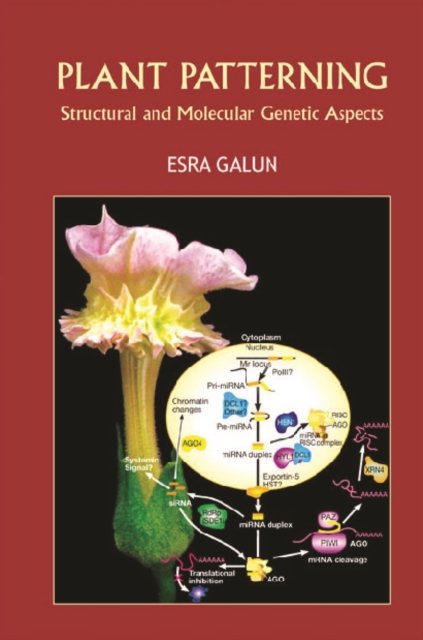
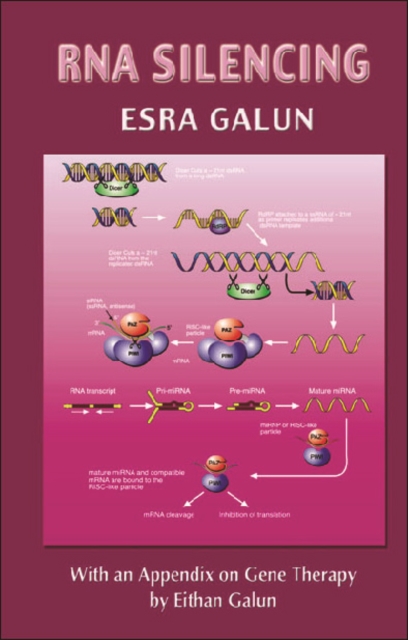
This book focuses on an emerging, central issue in molecular genetics and the development of eukaryotes: the control of gene expression by small species of RNA.
Computational systems biology is a new and rapidly developing field of research, concerned with understanding the structure and processes of biological systems at the molecular, cellular, tissue, and organ levels through computational modeling as well as novel information theoretic data and image analysis methods.
This book provides the latest information on fish lectins from the perspective of inflammation and presents new ideas on the complicated mechanisms of lectin biochemistry and associated interactions.
The second volume of the Biomedical translational research discusses advancements in biomedical research for understanding the pathophysiology of various diseases towards improving diagnosis and treatment.
This book reviews the relationship between receptors, carbohydrate moieties, and pathogenic surfaces and lectins' pathophysiology of immune responses and examines the mechanisms of action of the molecules for the treatment potentials.
This up-to-date and comprehensive textbook is essential reading material for advanced undergraduate and graduate students with a course module in genetics and developmental biology.
This book presents the whole picture of the ecological and evolutionary study on the ground beetle group, the subgenus Ohomopterus of the genus Carabus, endemic to Japan.
This book reviews all important aspects of dietary research associated with cancer with the aim of shedding new light on these conditions through combined understanding of traditional and new paradigms.
This edited book is a comprehensive compilation of principles, conventional and molecular approaches used to develop improved varieties and hybrids of major crops in light of their origin, evolution, taxonomy, production and productivity and need by human civilization.