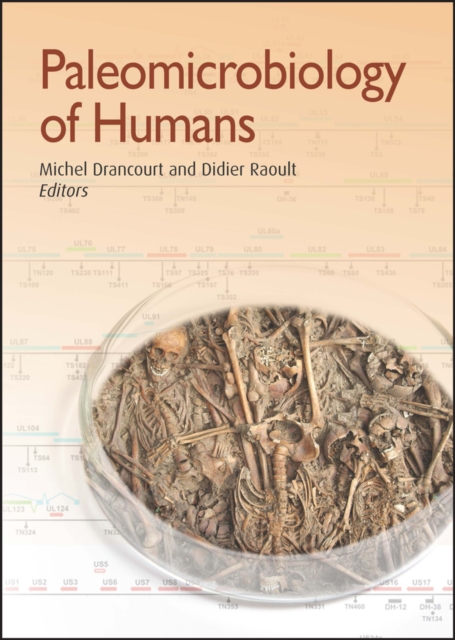
The insights following the wake of the Human Genome project are radically influencing our understanding of the molecular basis of life, health and disease.
Sorting and Recycling Endosomes provides the latest information on endosomes, the receiving compartment for endocytosed cargos, and the donor compartment and sorting station for cargos designated to lysosomes, Golgi, or plasma membrane.
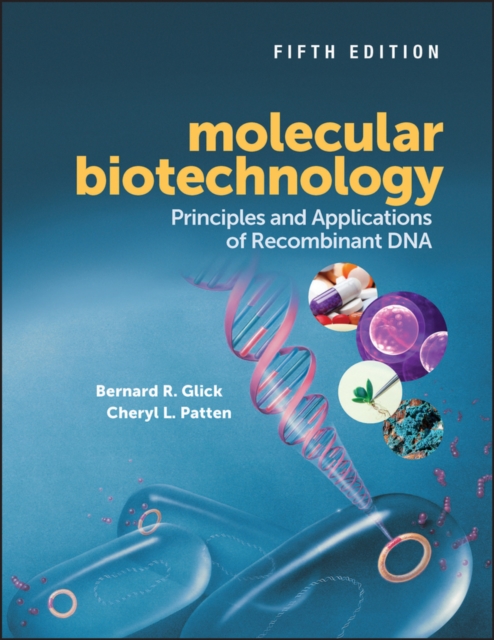
The future is now this groundbreaking textbook illustrates how biotechnology has radically changed the way we think about health care Biotechnology is delivering not only new products to diagnose, prevent, and treat human disease but entirely new approaches to a wide range of difficult biomedical challenges.
Cases in Medical Microbiology and Infectious Diseases challenges students to develop a working knowledge of the variety of microorganisms that cause infections in humans.
State-of-the-art reviews covering major aspects of antibodies and intervention against infectious diseases The connection between antibodies and infectious diseases has spawned entire related fields of study.
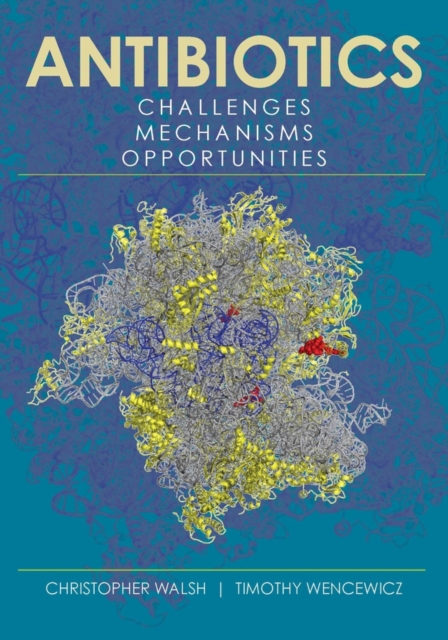
A chemocentric view of the molecular structures of antibiotics, their origins, actions, and major categories of resistance Antibiotics: Challenges, Mechanisms, Opportunities focuses on antibiotics as small organic molecules, from both natural and synthetic sources.
Presenting the latest molecular diagnostic techniques in one comprehensive volume The molecular diagnostics landscape has changed dramatically since the last edition of Molecular Microbiology: Diagnostic Principles and Practice in 2011.
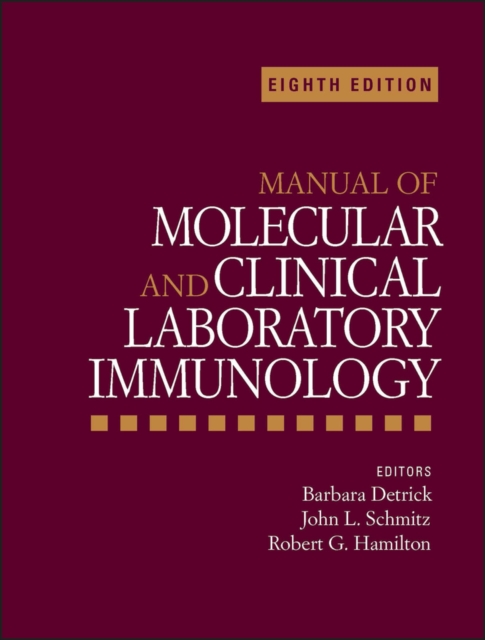
THE authoritative guide for clinical laboratory immunology For over 40 years the Manual of Molecular and Clinical Laboratory Immunology has served as the premier guide for the clinical immunology laboratory.
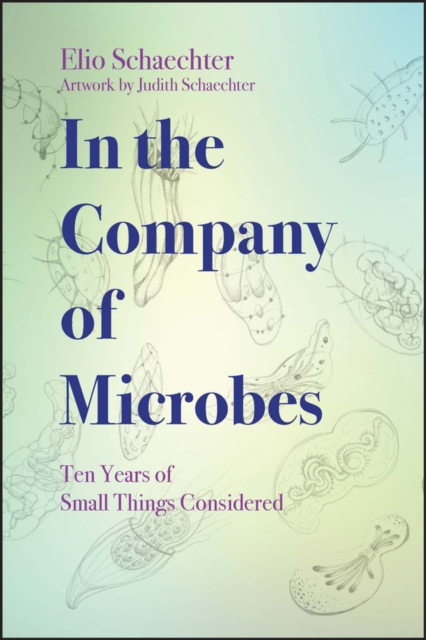
A look at the amazing, groovy world of microbes With more than 1,000 posts and 2 million views, the esteemed blog Small Things Considered has been sparking the imagination of microbiologists for an entire decade.
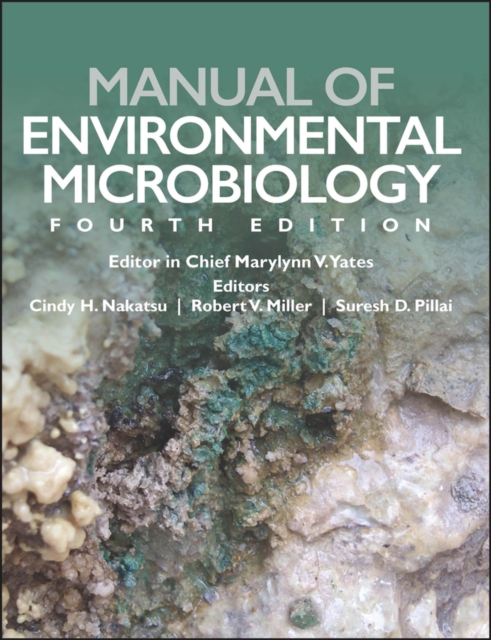
The single most comprehensive resource for environmental microbiology Environmental microbiology, the study of the roles that microbes play in all planetary environments, is one of the most important areas of scientific research.
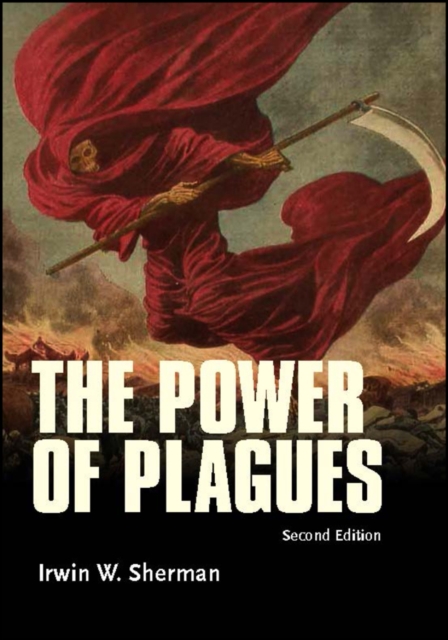
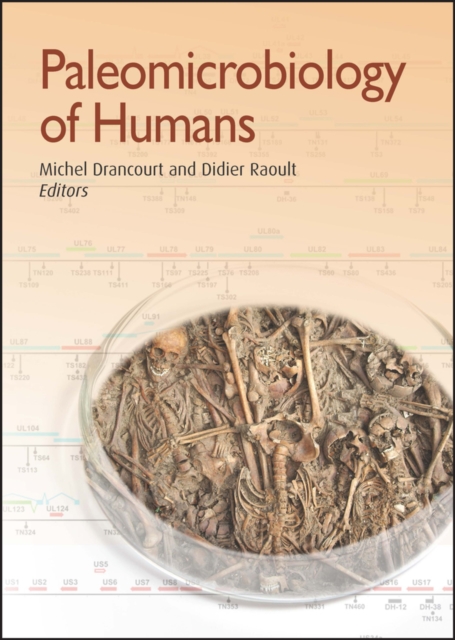
Only recently was it determined that two of the world's most devastating plagues, the plague of Justinian and the medieval Black Death, were caused by distinct strains of the same pathogen.
Since 1994, Molecular Biotechnology: Principles and Applications of Recombinant DNA has introduced students to the fast-changing world of molecular biotechnology.
Quick reference to clinical microbiology If you work in the clinical laboratory, this pocket guide will help you confidently identify most organisms you could encounter.
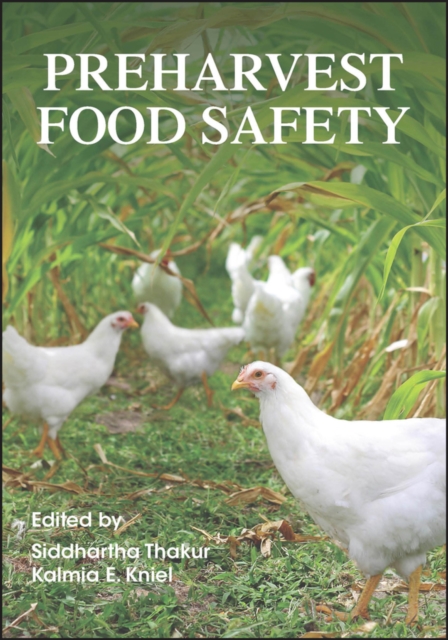
An overview of farm-to-fork safety in the preharvest realm Foodborne outbreaks continue to take lives and harm economies, making controlling the entry of pathogens into the food supply a priority.
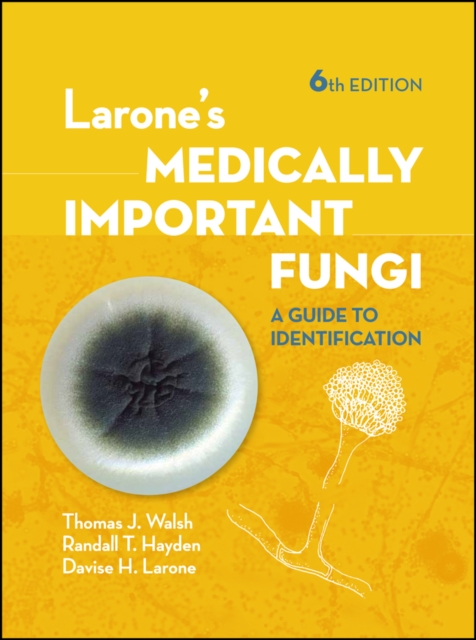
The definitive guide for identifying fungi from clinical specimens Medically Important Fungi will expand your knowledge and support your work by: Providing detailed descriptions of the major mycoses as viewed in patients' specimens by direct microscopic examination of stained slides Offering a logical step-by-step process for identification of cultured organisms, utilizing detailed descriptions, images, pointers on organisms' similarities and distinctions, and selected references for further information Covering nearly 150 of the fungi most commonly encountered in the clinical mycology laboratory Presenting details on each organism's pathogenicity, growth characteristics, relevant biochemical reactions, and microscopic morphology, illustrated with photomicrographs, Dr.
TUBERCULOSIS AND NONTUBERCULOUS MYCOBACTERIAL INFECTIONS TUBERCULOSIS AND NONTUBERCULOUS MYCOBACTERIAL INFECTIONS SEVENTH EDITION Complete coverage of every aspect of tuberculosis and related mycobacterial infections Tuberculosis appears to be as old as humanity itself.
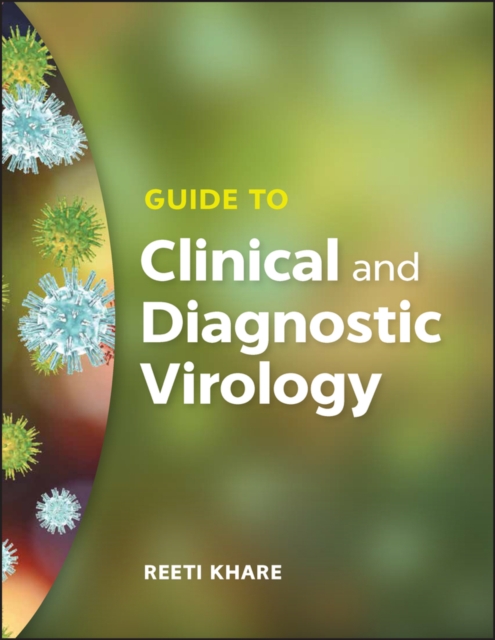
The explosion in clinical testing has been especially rapid in virology, where emerging viruses and growing numbers of viral infections are driving advances.
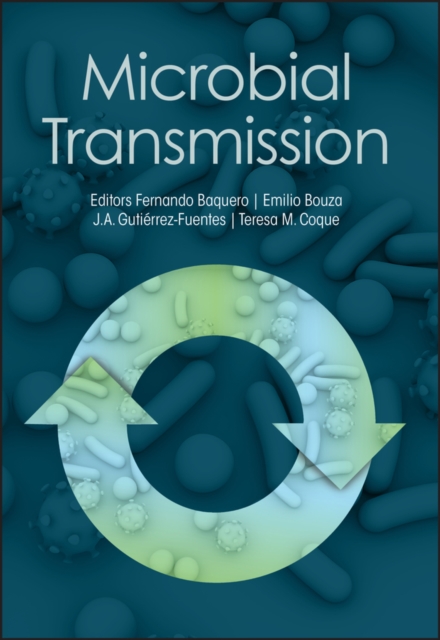
Microbial transmission, the processes by which microbes transit to new environments, is a significant and broad-reaching concept with applications throughout the biological sciences.
Quick reference to clinical microbiology If you work in the clinical laboratory, this pocket guide will help you confidently identify most organisms you could encounter.
The book is ideally cut out for the Undergraduate and Postgraduate students of Physiology (General Science), Medical Science, Veterinary Science, Biochemistry, Biophysics, Genetics, Applied Biology etc.
Fundamentals of Recombinant Protein Production, Purification and Characterization is organized into nine chapters in a logical fashion that cover an introduction to recombinant proteins and expression in different host expression systems, extraction, purification and analysis of proteins.
Comprising by far the largest and most diverse group of vertebrates, fishes occupy a broad swathe of habitats ranging from the deepest ocean abyss to the highest mountain lakes.
Molecular biology is a merger between biochemistry and genetics that undertakes the study of the molecular fundamentals of metabolism of the genetic material, i.
In this authoritative volume you'll find today's most important molecular neurobiological advances and their relevance to clinicians treating patients with mental illness.
The explosion in clinical testing has been especially rapid in virology, where emerging viruses and growing numbers of viral infections are driving advances.
Microbial transmission, the processes by which microbes transit to new environments, is a significant and broad-reaching concept with applications throughout the biological sciences.
An overview of farm-to-fork safety in the preharvest realm Foodborne outbreaks continue to take lives and harm economies, making controlling the entry of pathogens into the food supply a priority.
The definitive guide for identifying fungi from clinical specimens Medically Important Fungi will expand your knowledge and support your work by: Providing detailed descriptions of the major mycoses as viewed in patients' specimens by direct microscopic examination of stained slides Offering a logical step-by-step process for identification of cultured organisms, utilizing detailed descriptions, images, pointers on organisms' similarities and distinctions, and selected references for further information Covering nearly 150 of the fungi most commonly encountered in the clinical mycology laboratory Presenting details on each organism's pathogenicity, growth characteristics, relevant biochemical reactions, and microscopic morphology, illustrated with photomicrographs, Dr.
TUBERCULOSIS AND NONTUBERCULOUS MYCOBACTERIAL INFECTIONS TUBERCULOSIS AND NONTUBERCULOUS MYCOBACTERIAL INFECTIONS SEVENTH EDITION Complete coverage of every aspect of tuberculosis and related mycobacterial infections Tuberculosis appears to be as old as humanity itself.
A look at the amazing, groovy world of microbes With more than 1,000 posts and 2 million views, the esteemed blog Small Things Considered has been sparking the imagination of microbiologists for an entire decade.
A chemocentric view of the molecular structures of antibiotics, their origins, actions, and major categories of resistance Antibiotics: Challenges, Mechanisms, Opportunities focuses on antibiotics as small organic molecules, from both natural and synthetic sources.
Only recently was it determined that two of the world's most devastating plagues, the plague of Justinian and the medieval Black Death, were caused by distinct strains of the same pathogen.