This volume provides readers with essential protocols for dissecting the host-fungus interaction, and engages researchers in study of mammalian disease.
Dieses Sachbuch ist eine populär gestaltete, aber fachlich anspruchsvolle, reich bebilderte Übersicht der allgemeinen, speziellen und der angewandten Mykologie (Pilzkunde).
Mycosynthesis of Nanomaterials: Perspectives and challenges focus on the use of diverse groups of fungi for the synthesis of inorganic (metal and metalloid) and organic nanoparticles.
Mycosynthesis of Nanomaterials: Perspectives and challenges focus on the use of diverse groups of fungi for the synthesis of inorganic (metal and metalloid) and organic nanoparticles.
In diesem hochwertigen Nachschlagewerk für heimische Pilze begegnet Ihnen umfangreiches Wissen über die besten Speisepilze, ihre Doppelgänger und die giftigsten Pilze.
This volume aims to help new investigators to the field by providing them with the protocols needed to set up clinically relevant animal models of fungal infection, as well as methods for in vivo immunology.
This volume aims to help new investigators to the field by providing them with the protocols needed to set up clinically relevant animal models of fungal infection, as well as methods for in vivo immunology.
Fluorescent Probes, Volume 48 in the Methods in Microbiology series, highlights new advances in the field, with this new volume presenting interesting chapters on important topics, including Hydrogel microarray technology as a tool for clinical diagnostics, The use of probes and bacteriophages for bacteria detection, Probes used with point-of-care microfluidic devices for pathogen detection, Methods for combining FIB/SEM with three-dimensional fluorescence microscopy using CLEM approaches, Probes and Microbes, Microbial signatures associated with cancers, Fluorescent Aptamers for Detection and Treatment of Pathogenic Bacteria and Cancer, Labelled and Unlabeled Probes for Pathogen Detection with Molecular Biology Methods and Biosensors, and much more.
Immunological Methods in Microbiology, Volume 47 in the Methods in Microbiology series, highlights new advances in the field, with this new volume presenting interesting chapters on Immunological Techniques in the Clinical laboratory, Immunologic Diagnosis of HIV and Opportunistic Infections, Combining Antigen Detection and Serology for the Diagnosis of Selected Infectious Diseases, Immunologic Detection of Lyme Disease and Related Borrelioses, Immunodetection of Bacteria Causing Brucellosis, Immunological Diagnostic Techniques Used to Identify and Type Pasteurella, Immunological Tests for Diarrhea caused by Diarrheagenic Escherichia coli Targeting Their Main Virulence Factors, and much more.
This latest volume addresses the contemporary issues related to recombination in filamentous fungi, EST data mining, fungal intervening sequences, gene silencing, DNA damage response in filamentous fungi, cfp genes of Neurospora, developmental gene sequences, site-specific recombination, heterologous gene expression, hybridization and microarray technology to enumerate biomass.
Methods in Microbiology, Volume 44 presents the latest volume in the most prestigious series devoted to techniques and methodology in the field, with updated chapters that cover Metabolomics and the vaginal microbial ecosystem and health, Esophageal microbiome, Bioinformatics methods, Evolution of biomolecules, genomes and communities, and Gut microbial metabolism or the acquisition of the gut microbiome.
Biotechnology and Biology of Trichoderma serves as a comprehensive reference on the chemistry and biochemistry of one of the most important microbial agents, Trichoderma, and its use in an increased number of industrial bioprocesses for the synthesis of many biochemicals such as pharmaceuticals and biofuels.
This volume provides a detailed look at various biochemical and developmental aspects of fungal cell biology, and offers extensive information on model organisms of filamentous fungi, such as Aspergillus, and yeasts, such as Saccharomyces, while also highlighting molecular differences between ascomycetes and basidiomycetes.
This fully revised third edition includes up-to-date topics and developments in the field, which has made tremendous strides since the publication of the second edition in 2004.
Due to the huge quantity and diverse nature of their metabolic pathways, fungi have great potential to be used for the production of different biofuels such as bioethanol, biobutanol, and biodiesel.
This book on Candida albicans and similar pathogens provides a timely overview of the groundbreaking discoveries made in the areas of drug resistance, host–pathogen interactions, virulence, host immune system modulation, etc.
Infections caused by fungi have recently attracted the attention of both clinicians and basic researchers given the heavy burden they represent for any health system.
This pioneering book focuses on Neotropical endophytic fungi, providing a comprehensive overview of their diversity, ecology, and biotechnological applications in medicine, agriculture, and industry.
This book offers an ecosystem-oriented overview of the diversity, ecological role, and biotechnological applications of marine fungi as well as an in-depth introduction to the marine environment, fungal classification, and ecological principles.
This book provides essential molecular techniques and protocols for analyzing microbes that are useful for developing novel bio-chemicals, such as medicines, biofuels, and plant protection substances.
This book brings together and updates the latest information on the diversity of yeasts, their molecular features and their applications in the welfare of mankind.
The book provides an introduction to the basics of fungi, discussing various types ranging from edible mushrooms to Neurospora - a model system for genetics and epigenetics.
This book describes many novel approaches of microbial bioremediation including conventional and modern approaches, metagenomics, biosurfactants and nano-based bioremediation.
This book presents a comprehensive view on mycotoxins of agricultural as well as non-agricultural environments and their health effects in humans and animals.
This detailed book collects standard techniques and cutting-edge methods that are frequently used by the research community studying the fungus Trichoderma reesei.
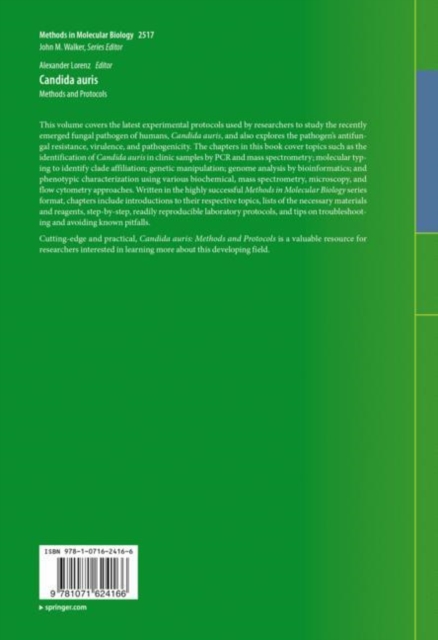
This volume covers the latest experimental protocols used by researchers to study the recently emerged fungal pathogen of humans, Candida auris, and also explores the pathogen's antifungal resistance, virulence, and pathogenicity.
Given the popularity and utility of Saccharomyces cerevisiae, yeast-based functional genomics and proteomics technologies, developed over the past decade, have contributed greatly to our understanding of bacterial, yeast, fly, worm and human gene functions.
In this second edition of a widely used classic laboratory manual, leading experts utilize the tremendous progress and technological advances that have occurred to create a completely new collection of not only the major basic techniques, but also advanced protocols for yeast research and for using yeast as a host to study genes from other organisms.
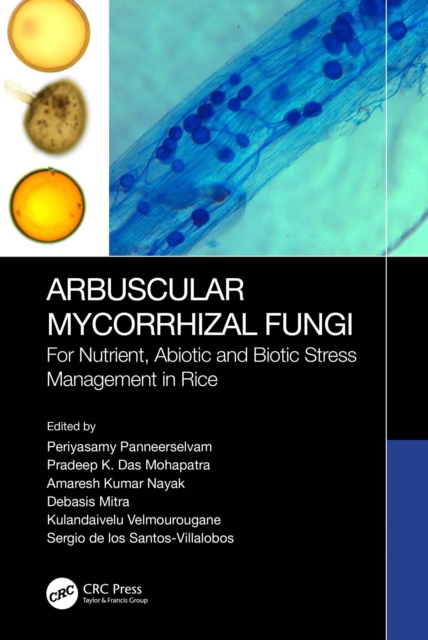
Arbuscular mycorrhizal fungi (AMF) are considered enormously important in contemporary agriculture and horticulture due to their important role in nutrient, biotic and abiotic stress management apart from enhancing plant health and soil fertility.
Arbuscular mycorrhizal fungi (AMF) are considered enormously important in contemporary agriculture and horticulture due to their important role in nutrient, biotic and abiotic stress management apart from enhancing plant health and soil fertility.