In the first edition of The Enzymes of Biological Membranes, published in four volumes in 1976, we collected the mass of widely scattered information on membrane-linked enzymes and metabolic processes up to about 1975.
This comprehensive treatise on the reticuloendothelial system is a project jointly shared by individual members of the Reticuloendothelial (RE) Society and bio- medical scientists in general who are interested in the intricate system of cells and molecular moieties derived from those cells which constitute the RES.
In the mid-sixties, John Robson and Christina Enroth-Cugell, without realizing what they were doing, set off a virtual revolution in the study of the visual system.
The tissue culture approach to the study of membrane properties of excitable cells has progressed beyond the technical problems of culture methodology.
Since the publication of the second volume of Comparative Psychology by Warden, Warner, and Jenkins (1940), there has not been a comprehensive review of invertebrate learning capacities.
The Infant Primate Research Laboratory at the University of Washington was conceived in 1970 as a small research Wlit primarily for support of two individual's interests in early develop- ment of nonhuman primates.
The word crosslinking implies durable combination of (usually large) distinct elements at specific places to create a new entity that has different properties as a result of the union.
From June 6 to 9, 1976, about 140 participants (physiologists, chemists, ecologists, animal behaviorists, and psychologists) gathered in the Gideon Putnam Hotel at Saratoga Springs, New York for a symposium entitled "e;Chemical Signals in Vertebrates"e;.
If this were a traditional textbook of neuroanatomy, many pages would be devoted to a description of the ascending and descending pathways of the spinal cord and several chapters to the organization of the sensory and motor systems, and, perhaps, a detailed discussion of the neurological deficits that follow various types of damage to the nervous system would also be included.
In March, 1974, an International Symposium was held at the Harmonie Club in New York to discuss a highly pertinent problem in today's research: the "e;Rele- vance of the Animal Psychopathological Model to the Human.
The past decade has witnessed a tremendous surge of interest in varied aspects of primate biology, encompassing virtually all disciplines of the biological sciences.
The Editors are sorry that the production of this volume was delayed by the ill- health of one of them and we hope that this does not detract from the value of the con- tents.
Intoxication of humans and animals has become increasingly important in recent years as has contamination of the environment by a variety of chemicals.
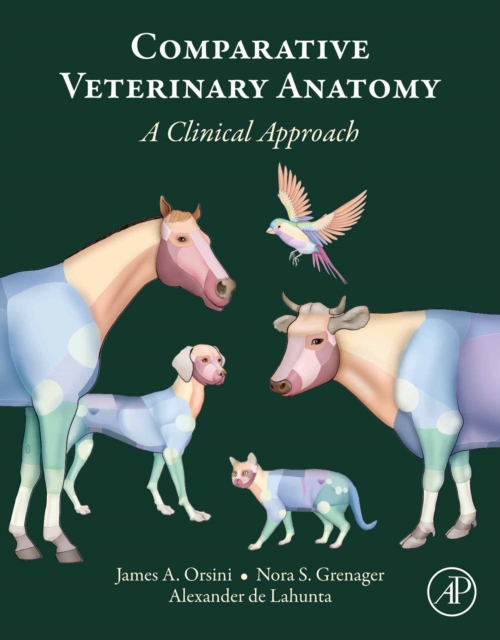
Comparative Veterinary Anatomy: A Clinical Approach describes the comprehensive, clinical application of anatomy for veterinarians, veterinary students, allied health professionals and undergraduate students majoring in biology and zoology.
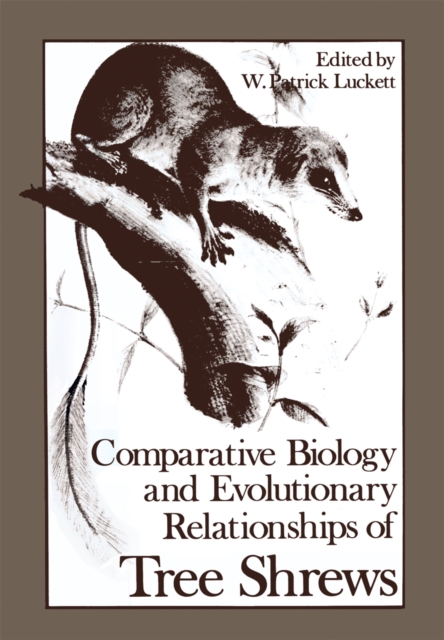
Tree shrews are small-bodied, scansorial, squirrel-like mammals that occupy a wide range of arboreal, semi-arboreal, and forest floor niches in Southeast Asia and adjacent islands.
Research on chemical communication in animals is in a very active and exciting phase; more species are studied, data are accumulating, concepts are changing, and practical application seems feasible.
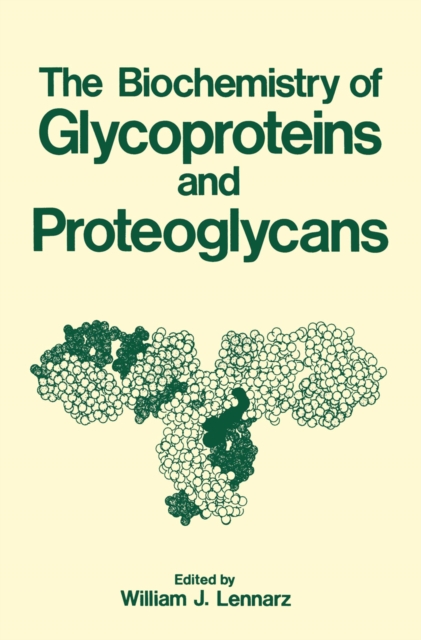
Although glycoproteins and proteoglycans have been a subject of re- search for many years, it is only during the last five or so years that they have aroused the interest of a very broad cross section of investigators in the biological sciences.
vi The intent, therefore, was to provide for a fresh and original review of all relevant topics and issues in the field, following a comprehensive and coherent programme.
Concanavalin A (Con A), a plant lectin, has become an object of extensive research not only for the biochemist, but also for the bi- ologist, biophysicist, pathologist, immunologist and others.
What have been brought together in these volumes are works represent- ing a variety of modern quantitative studies on a select group of marine organisms.
What have been brought together in these volumes are works represent- ing a variety of modern quantitative studies on a select group of marine organisms.
Parasitic Disease, second edition remains unique in itsemphasis on depictions of complete life cycles and itsskillful knitting of basic and clinical information.
This new innovative work on insects and their impact on the ecosystem covers the role of insects in environmental pollution, their use in sustainable agricultural services, and the industrial, forensic, and medical applications of insects and their pure products.