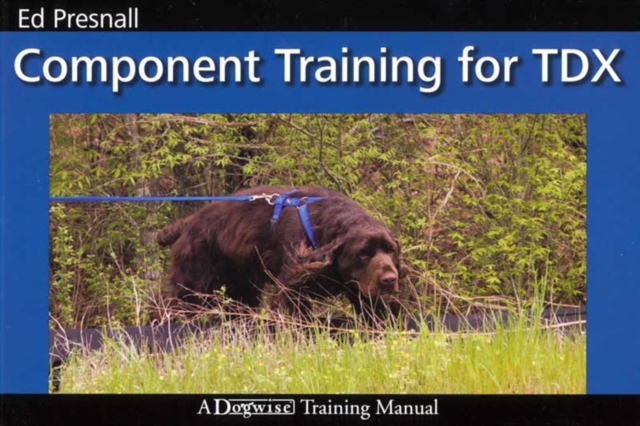
Excellence in Tracking through Component TrainingSuccessful competitive tracking requires the development of a large number of skills on the part of both the dog and the handler.
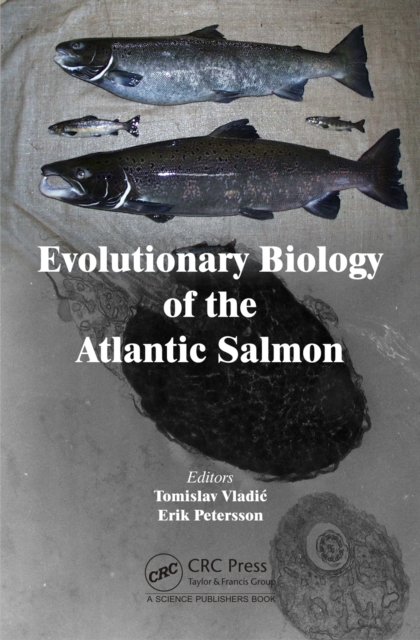
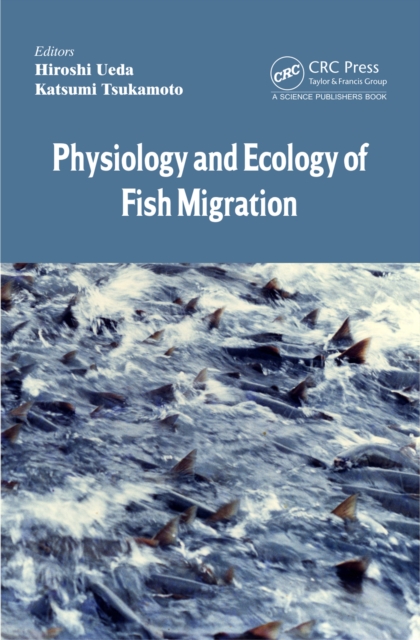
Atlantic salmon (Salmo salar, L) is an anadromous species contributing to major fishery catches and comprising a significant part of the aquaculturally produced fish for human consumption.
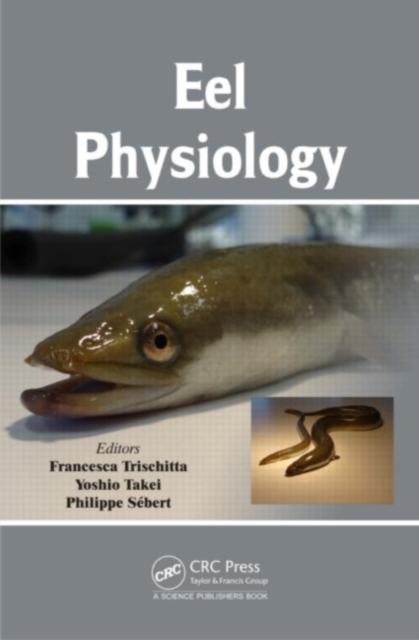
Eel of the genus Anguilla is an extraordinary fish, which due to its particular life cycle has fascinated biologists and physiologists ever since the pioneering works of Homer H.
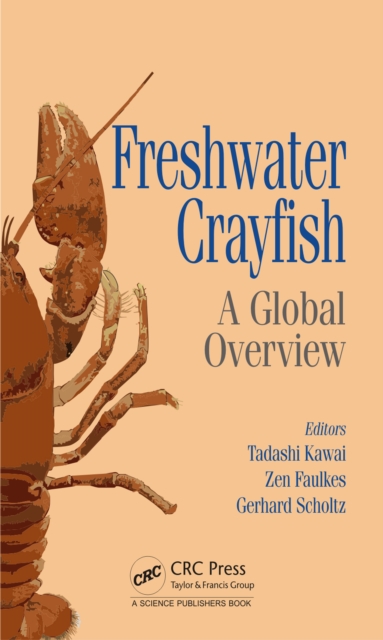
For their great commercial importance as a human food delicacy, crayfish are now becoming of wider interest to molecular biologists, and also to conservationists due to the fact that in some countries many of the native crayfish species are under threat from human activity, disease, and competition from other introduced crayfish species.
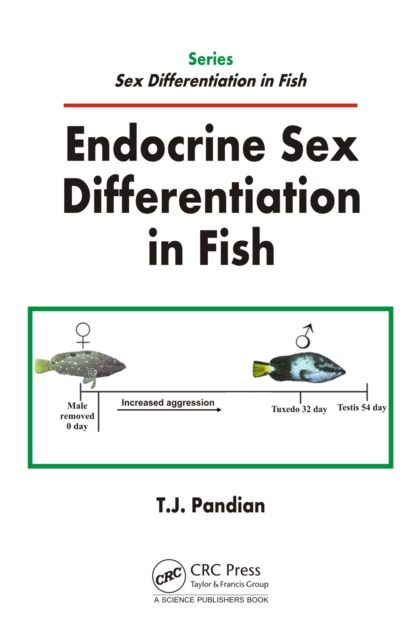
Of all vertebrates, fish exhibit unparalleled diversity of sexual plasticity and flexibility, ranging from gonochorism to unisexualism, and exceptional patterns of functional hermaphroditism.
Reproductive Biology and Phylogeny of Lizards and Tuatara is a remarkable compendium of chapters written by the world's leading experts from over four continents.
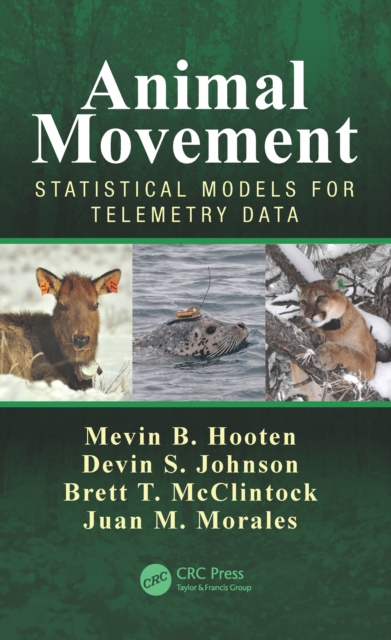
The study of animal movement has always been a key element in ecological science, because it is inherently linked to critical processes that scale from individuals to populations and communities to ecosystems.
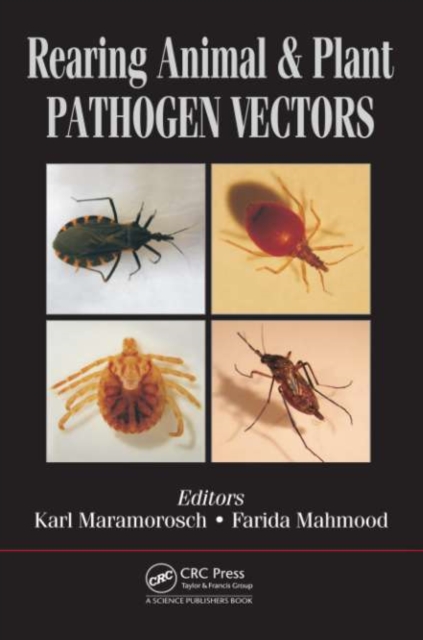
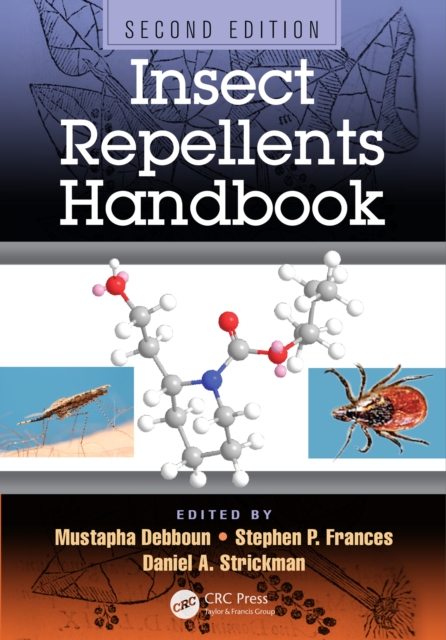
The public has a great desire for products that prevent the annoyance of biting insects and ticks, but that desire does not always translate into sensible use of those products.
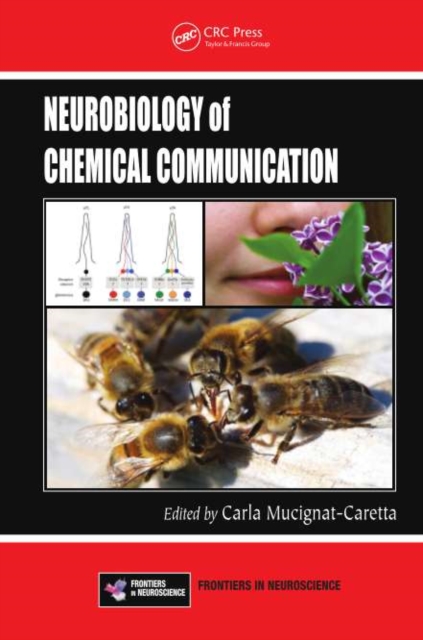
Intraspecific communication involves the activation of chemoreceptors and subsequent activation of different central areas that coordinate the responses of the entire organism-ranging from behavioral modification to modulation of hormones release.
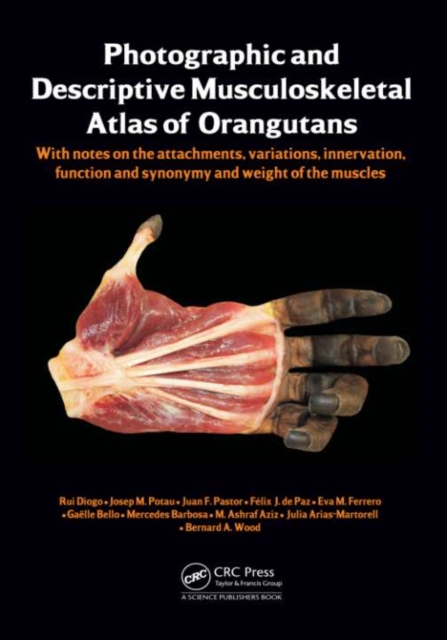
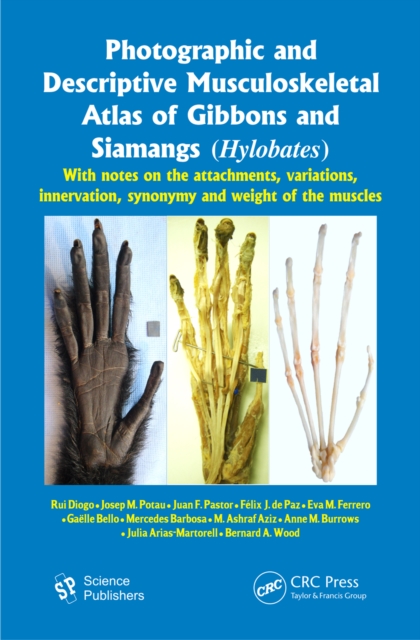
This book is the first photographic and descriptive musculoskeletal atlas of Hylobates, and adopts the same format as the photographic atlas of Gorilla published by the same authors in 2010.
Continuing in the tradition of its predecessors, this new edition combines an informal, easy to read style with a thorough introduction to concepts and terminology of plant pathology.
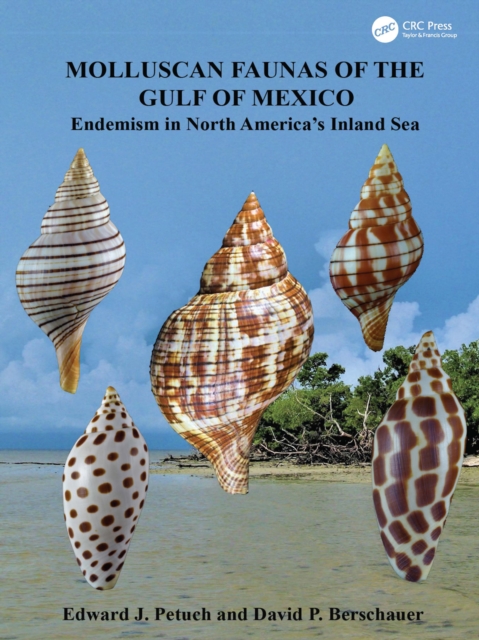
Recent biodiversity studies, reported here for the first time, have shown that the molluscan fauna of the Gulf of Mexico is far richer and more complex than previously thought.
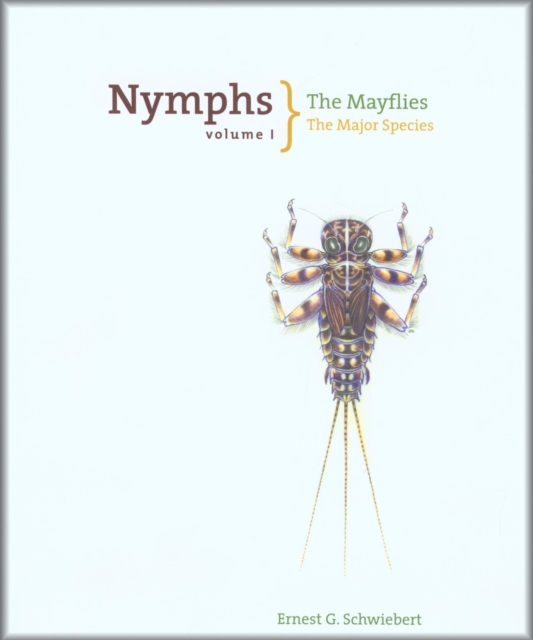
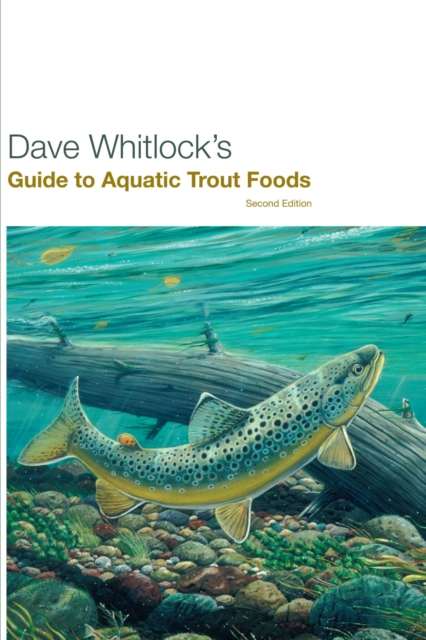
Volume IFor the fly fisher seeking to catch more and bigger trout, fishing nymphs--patterns that mimic the larval stage of mayflies--can be a surefire approach.
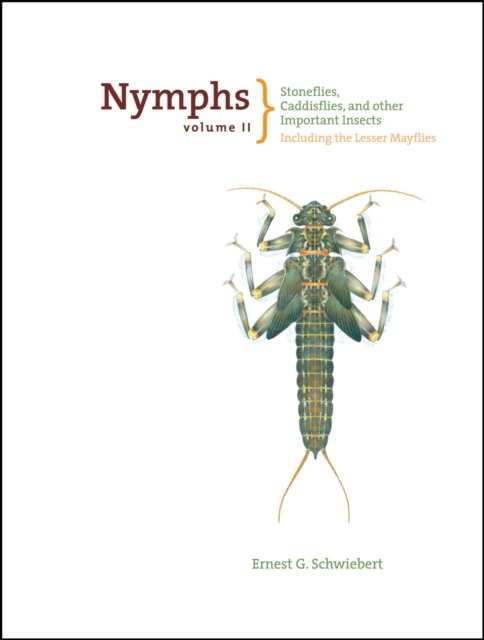
Volume IIAfter the mayfly family, detailed in Nymphs: The Mayflies, the fly fisher must know the caddisfly, stonefly, and midge populations just as well to catch trout that are keyed in on such insects.
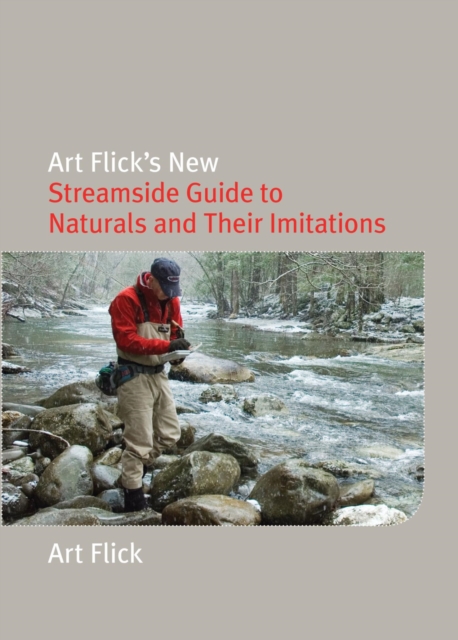
The definitive guide from the renowned fly-fishing masterA handsome new illustrated edition of the classic by Art Flick, the man who gave American fly fishers their first useable, portable text for ';matching the hatch' at streamside.
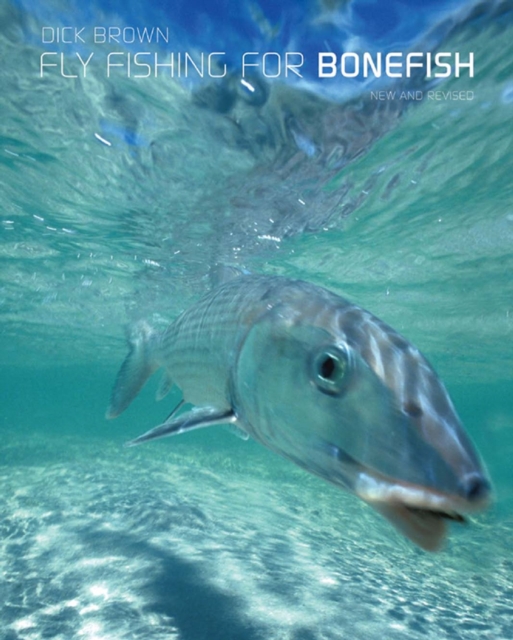
Chasing the lightning-fast bonefish across the south Pacific, Florida, and the Caribbean is for many anglers a near obsession, and this is the handbook to such fly-fishing adventure.
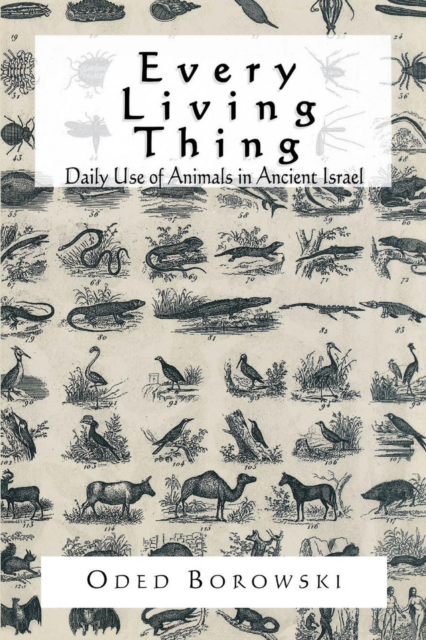
The agricultural world of Old Testament Israel swarmed with animals-birds, insects, fish, pack animals, pets, animals for hunting, and domesticated herds of sheep, goats, and cattle.
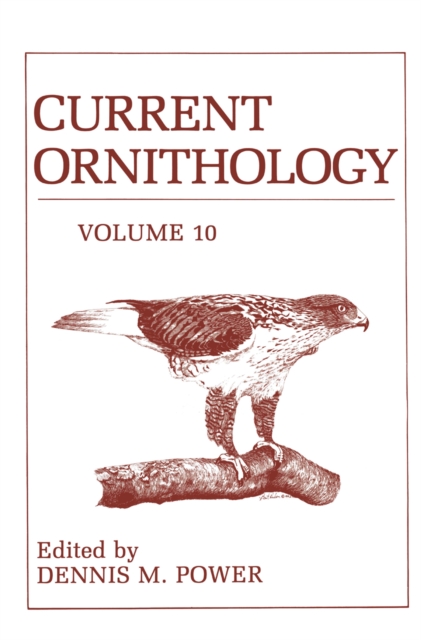
Detailing novel research methods, this compilation presents major advances in fundamental aspects of phylogeny, mating, parental care, the trophic structure of Raptor communities, demography, behavioral ecology, species diversity, and the evolution of avian ontogenies.
Advances in Microbial Ecology was established by the International Com- mittee on Microbial Ecology (ICOME) as a vehicle for the publication of critical reviews selected to reflect current trends in the ever-expanding field of microbial ecology.
While diseases of free-ranging and captive mammalian and avian wildlife species have received considerable interest in the past 25 years, those of amphibians and reptiles (collectively, the herptiles) generally have been assigned lesser importance.
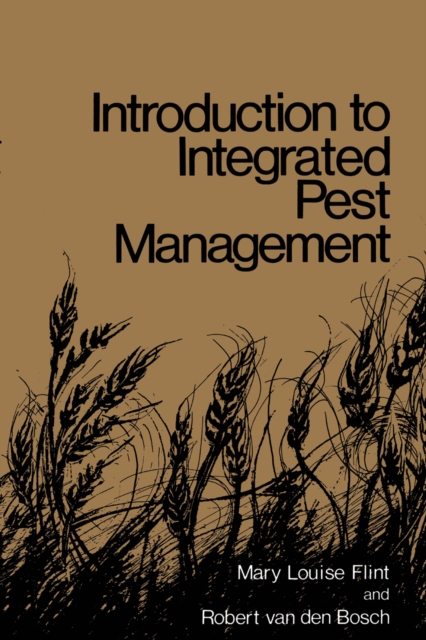
Integrated control of pests was practiced early in this century, well before anyone thought to call it "e;integrated control"e; or, still later, "e;integrated pest management"e; (IPM), which is the subject of this book by Mary Louise Flint and the late Robert van den Bosch.
Our present concepts ofthe regulation of enzyme activity in the cell have been largely based on the extensive body of work which has been carried out with micro-organisms.
In September 1967 a Symposium on Neurobiology of Invertebrates was held at Tihany, in the Biological Research Institute of the Hungarian Academy of Sci- ences, coinciding with the 40 years anniversary of this Institute.
The transition from the quarterly Sub-Cellular Biochemistry to the annual SUBCELLULAR BIOCHEMISTRY is a good opportunity to restate the aims and scope of this publication.
This book is a collection of papers describing some of the first attempts to apply the techniques of recombinant DNA and molecular biology to studies of the nervous system.
A wealth of information has been accumulated about the function of ion channels of excitable cells since the extensive and pioneering voltage clamp studies by Hodgkin, Huxley, and Katz 36 years ago.