Originally published in 1975, Volume 2 of this Handbook looks at areas traditionally associated with learning theory such as conditioning, discrimination and behavior theory.
This book is one of a series of more than 20 volumes resulting from the World Archaeological Congress, September 1986, attempting to bring together not only archaeologists and anthropologists from many parts of the world, as well as academics from contingent disciplines, but also non-academics from a wide range of cultural backgrounds.
This book is one of a series of more than 20 volumes resulting from the World Archaeological Congress, September 1986, attempting to bring together not only archaeologists and anthropologists from many parts of the world, as well as academics from contingent disciplines, but also non-academics from a wide range of cultural backgrounds.
While philosophers have been interested in animals since ancient times, in the last few decades the subject of animal minds has emerged as a major topic in philosophy.
While philosophers have been interested in animals since ancient times, in the last few decades the subject of animal minds has emerged as a major topic in philosophy.
Archetype: A Natural History of the Self, first published in 1982, was a ground-breaking book; the first to explore the connections between Jung's archetypes and evolutionary disciplines such as ethology and sociobiology, and an excellent introduction to the archetypes in theory and practical application as well.
Archetype: A Natural History of the Self, first published in 1982, was a ground-breaking book; the first to explore the connections between Jung's archetypes and evolutionary disciplines such as ethology and sociobiology, and an excellent introduction to the archetypes in theory and practical application as well.
Originally published in 1988, this book outlines a new evolutionary paradigm for understanding human society and mental structure, originating from the editor's work in primate ethology.
Originally published in 1988, this book outlines a new evolutionary paradigm for understanding human society and mental structure, originating from the editor's work in primate ethology.
This comprehensive introduction demonstrates the theoretical perspectives and concepts that are applied to primate behavior, and explores the relevance of non-human primates to understanding human behavior.
This comprehensive introduction demonstrates the theoretical perspectives and concepts that are applied to primate behavior, and explores the relevance of non-human primates to understanding human behavior.
Insect Ecology: An Ecosystem Approach, Fourth Edition, follows a hierarchical organization that begins with relatively easy-to-understand chapters on adaptive responses of insect populations to various environmental changes, disturbances, and anthropogenic activities, how insects find food and habitat resources, and how insects allocate available energy and nutrients.
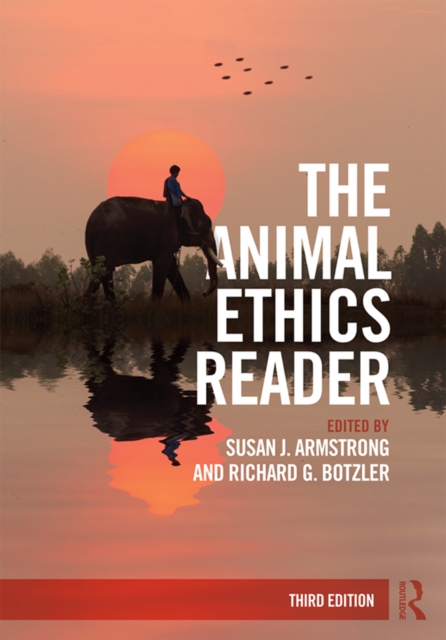
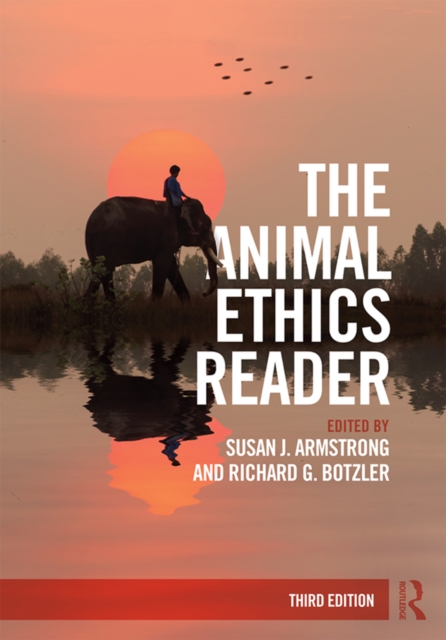
The Animal Ethics Reader is an acclaimed anthology containing both classic and contemporary readings, making it ideal for anyone coming to the subject for the first time.
The Animal Ethics Reader is an acclaimed anthology containing both classic and contemporary readings, making it ideal for anyone coming to the subject for the first time.
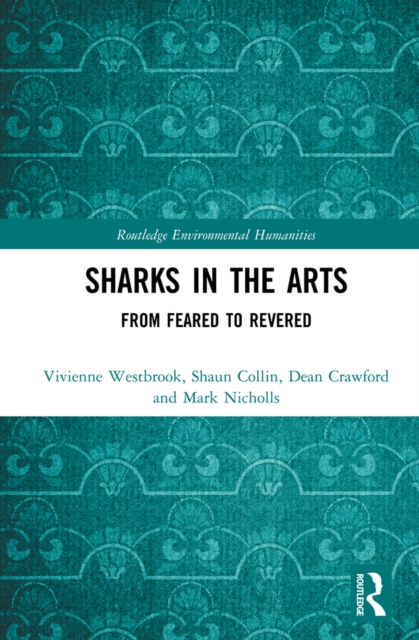
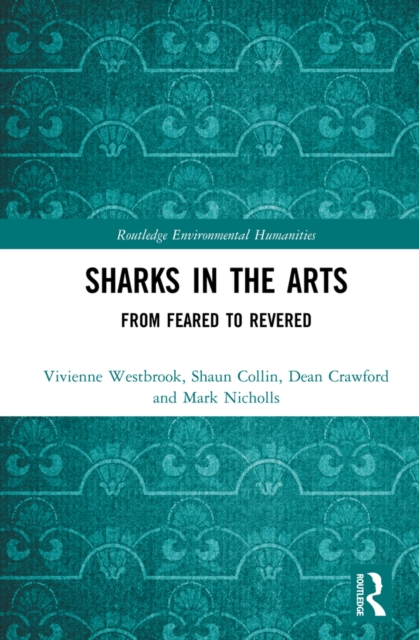
This book is the most thorough exploration to date of the many ways in which a wild creature has been absorbed, reimagined and represented across the ages in all of the major art forms.
This book is the most thorough exploration to date of the many ways in which a wild creature has been absorbed, reimagined and represented across the ages in all of the major art forms.
In this collection, first published in 1951, the central theme is that everything has a history, and that we cannot fully understand anything without some knowledge of its history.
In this collection, first published in 1951, the central theme is that everything has a history, and that we cannot fully understand anything without some knowledge of its history.
Originally published in 1974, Waterfowl and Wetlands analyses waterfowl hunting patterns in the late sixties in the hopes of protecting waterfowl resources such as wetlands.
Originally published in 1974, Waterfowl and Wetlands analyses waterfowl hunting patterns in the late sixties in the hopes of protecting waterfowl resources such as wetlands.
First published in 1980, the second volume of Energy Development in the Southwest analyses water conditions and habitat life in the Upper Colorado River Basin, based on alternative national energy scenarios and attempts to assess some of the economic, demographic, and environmental impacts of each development scenario.
First published in 1980, the second volume of Energy Development in the Southwest analyses water conditions and habitat life in the Upper Colorado River Basin, based on alternative national energy scenarios and attempts to assess some of the economic, demographic, and environmental impacts of each development scenario.
This volume presents a selection of some of the most exciting new perspectives on moral development that have emerged over the last decade and have transformed our understanding of the field.
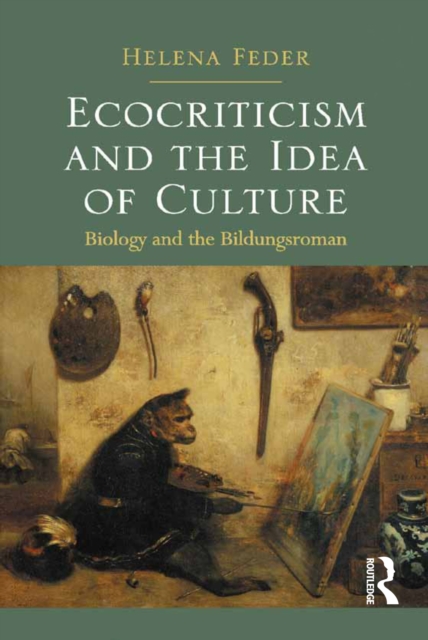
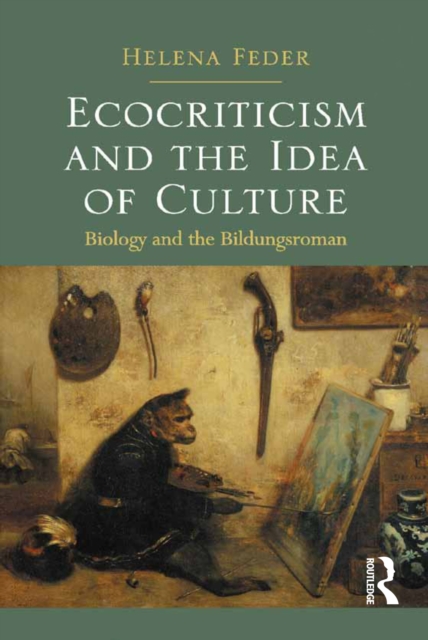
Ecocriticism and the Idea of Culture: Biology and the Bildungsroman draws on work by Kinji Imanishi, Frans de Waal, and other biologists to create an interdisciplinary, materialist notion of culture for ecocritical analysis.
Ecocriticism and the Idea of Culture: Biology and the Bildungsroman draws on work by Kinji Imanishi, Frans de Waal, and other biologists to create an interdisciplinary, materialist notion of culture for ecocritical analysis.
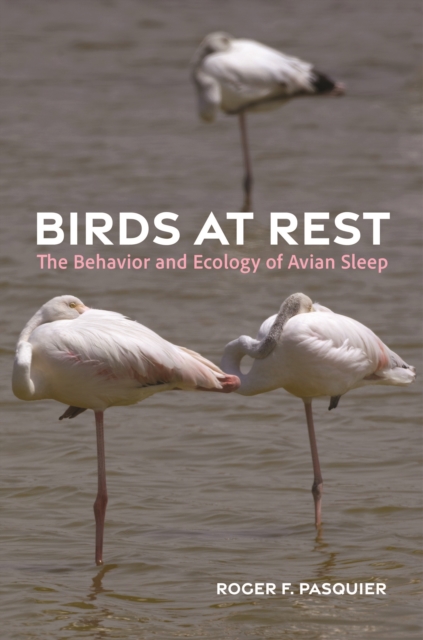
A wide-ranging account of how birds spend the quiet half of their livesBirds at Rest is the first book to give a full picture of how birds rest, roost, and sleep, a vital part of their lives.