This book introduces cognitive processes and animal behaviour across species, integrating classic studies and contemporary research in psychology, biology and neuroscience.
This book introduces cognitive processes and animal behaviour across species, integrating classic studies and contemporary research in psychology, biology and neuroscience.
Artificial Intelligence and Animal Ecology: A Review explores the transformative synergy between AI and animal ecology, unveiling how cutting-edge technology is revolutionizing ecological research and conservation.
What separates modern humans from our primate cousins-are we a mere blink in the march of evolution, or does human culture represent the definitive evolutionary turn?
What separates modern humans from our primate cousins-are we a mere blink in the march of evolution, or does human culture represent the definitive evolutionary turn?
Malaria is one of the oldest recorded diseases in human history, and its 10,000-year relationship to primates can teach us why it will be one of the most serious threats to humanity in the 21st century.
Malaria is one of the oldest recorded diseases in human history, and its 10,000-year relationship to primates can teach us why it will be one of the most serious threats to humanity in the 21st century.
Papers from an important conference on zooarchaeology, reflecting state-of-the-art work on the study of human relationship to animals in ancient times.
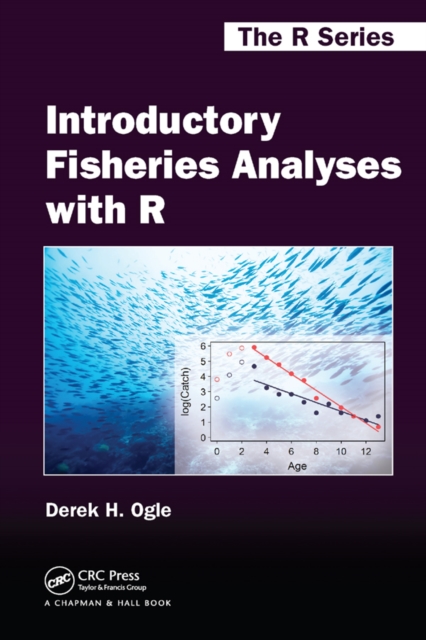
A How-To Guide for Conducting Common Fisheries-Related Analyses in RIntroductory Fisheries Analyses with R provides detailed instructions on performing basic fisheries stock assessment analyses in the R environment.
A How-To Guide for Conducting Common Fisheries-Related Analyses in RIntroductory Fisheries Analyses with R provides detailed instructions on performing basic fisheries stock assessment analyses in the R environment.
The Handbook of Australasian Biogeography is the most comprehensive overview of the biogeography of Australasian plants, fungi and animal taxa in a single volume.
Golden-winged Warblers (Vermivora chrysoptera) are migratory songbirds that breed in temperate North America, primarily in the Great Lakes region with remnant populations throughout the Appalachian Mountains, and winter in Central and northern South America.
Key features:Presents a brief history of past classifications, a summary of present classification, and speculation on how the classification may evolve in the futureIncludes keys for the identification of families and subfamilies of the Pentatomoidea and for the tribes in the PentatomidaeExplains transmission of plant pathogens and concepts of pathology and heteropteran feeding for the non-specialist Provides an extensive literature review of transmission by stink bugs of viral, bacterial, fungal, and protozoan organisms that cause diseases of plantsDiscusses the diversity of microbial symbionts in the Pentatomidae and related species, showing how microorganisms underpin the evolution of this insect groupReviews semiochemicals (pheromones, kairomones, allomones) of the Pentatomoidea and their vital role in the life histories of pest and beneficial species and their exploitation by natural enemies of true bugs Covers past, current, and future control options for insects, with a focus on stink bugs and related heteropteransThe Superfamily Pentatomoidea (stink bugs and their relatives) is comprised of 18 families with over 8,000 species, the largest of which is the family Pentatomidae (about 5,000 species).
Building on the success, and maintaining the format, of the best-selling Human and Nonhuman Bone Identification: A Color Atlas (ISBN: 978-1-4200-6286-1), Comparative Bone Identification: Human Subadult to Nonhuman presents new images of human bones representing many states of maturation from neonate to 20 years old.
Despite their diversity, amphibians and reptiles share many physiological traits, such as their dependence on external heat sources for body temperature regulation, that are of pivotal importance to their ability to cope with the environment.
Presented in an easy-to-ready format, Small Animal Imaging: Self-Assessment Color Review offers a case-based approach to reviewing and interpreting images and developing a differential diagnosis when necessary.
This book is a bridge between ecological paradigms - organismal/community approaches to food web dynamics and ecosystem-level approaches to production.
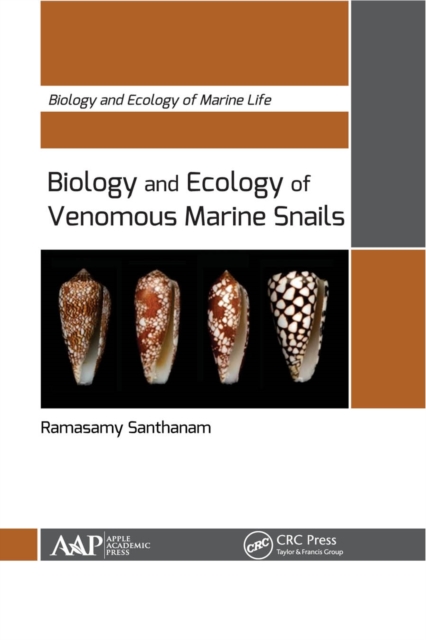
The first comprehensive volume exclusively on marine cone snails, this book provides descriptions of over 100 species of hazardous marine snails along with their biological and ecological characteristics; the characteristics of conotoxins; information on cone snail injuries and their treatment along with prevention measures; and the therapeutic and medicinal value of conotoxins, including as a powerful nonaddictive painkiller, an epilepsy drug, and more.
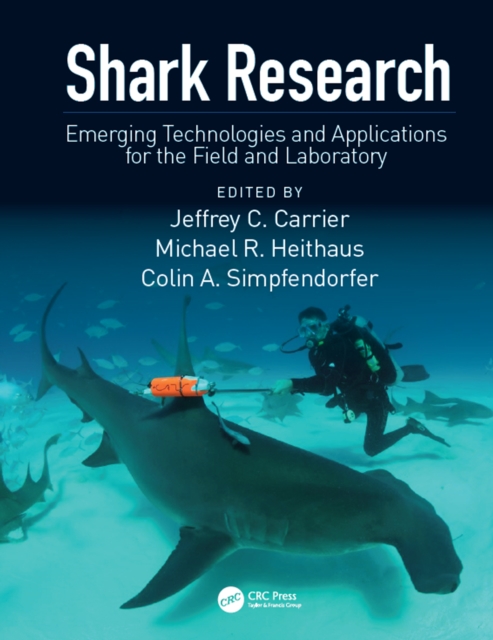
Over the last decade, the study of shark biology has benefited from the development, refinement, and rapid expansion of novel techniques and advances in technology.