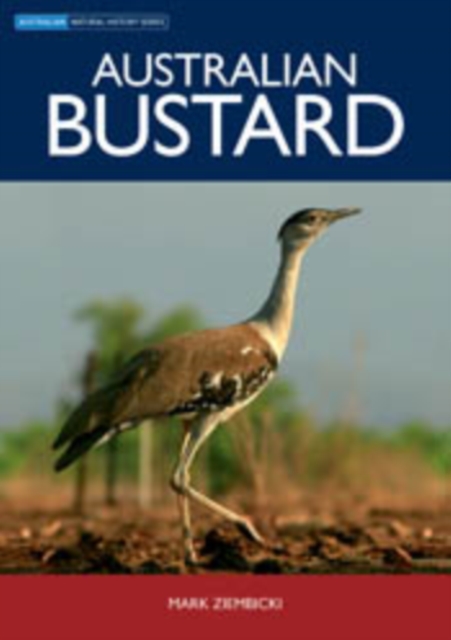
Birds are a prominent feature of the Northern Territory environment, with almost half of Australia's bird species found there in spectacular landscapes ranging from deserts to tropics.
The result of more than 20 years of research and collaboration by international butterfly experts, this book is the first comprehensive catalogue to the butterfly fauna of any major tropical region and, as such, provides a basic research tool for any worker with an interest in African butterflies.
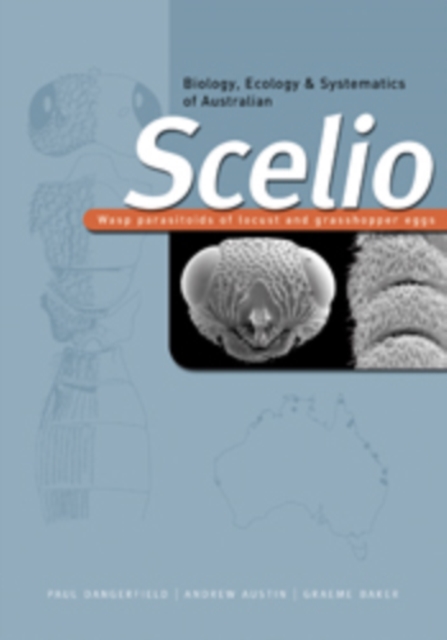
Parasitic wasps of the genus Scelio play an important role in the regulation of orthopteran populations and are implicated in suppressing numbers of numerous pest locusts and grasshoppers.
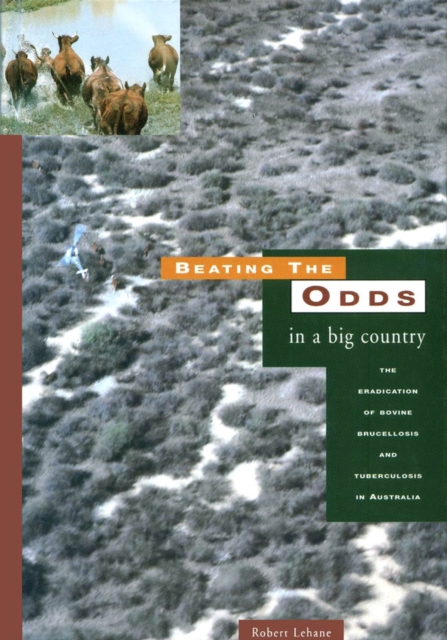
The implementation of the Brucellosis and Tuberculosis Eradication Campaign has been one of the most significant animal health achievements in the history of Australia and worldwide.
Reef and Rainforest is a photographic portrayal of marine and terrestrial life in one of the world's most biodiverse regions – the tropics of north-eastern Australia, together with the South Pacific nations of Solomon Islands and Papua New Guinea.
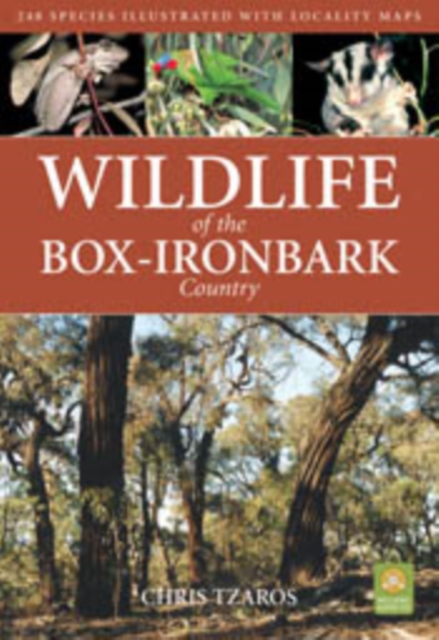
The forests and woodlands of Victoria's Box-Ironbark Region are one of the most important areas of animal diversity and significance in southern Australia.
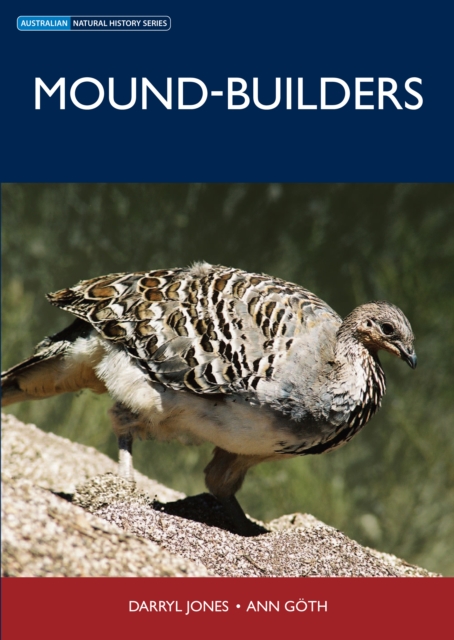
Mound-builders are unique in being the only birds that do not incubate their eggs using body heat; rather, a variety of naturally occurring sources of heat is exploited such as solar energy and the heat generated by decomposing organic matter.
The primary aim of this guide is to enable non-specialists to identify the genera and more common species of ants occurring in cool and wet southern Australia.
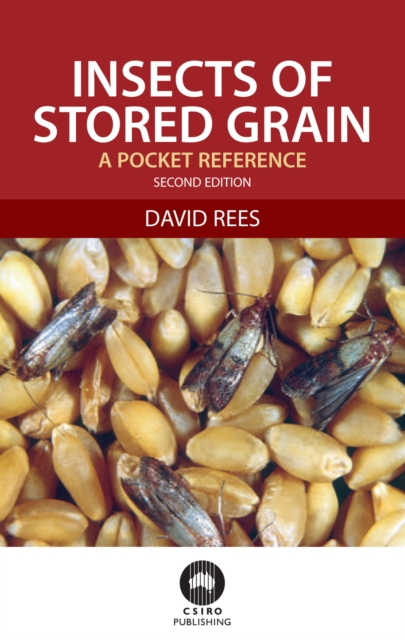
A pocket reference that allows the non-specialist to identify major insect and arachnid pests found in stored cereal grains, grain products and grain legumes.
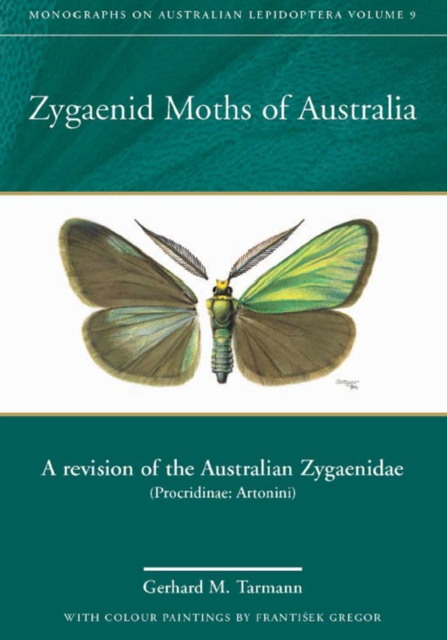
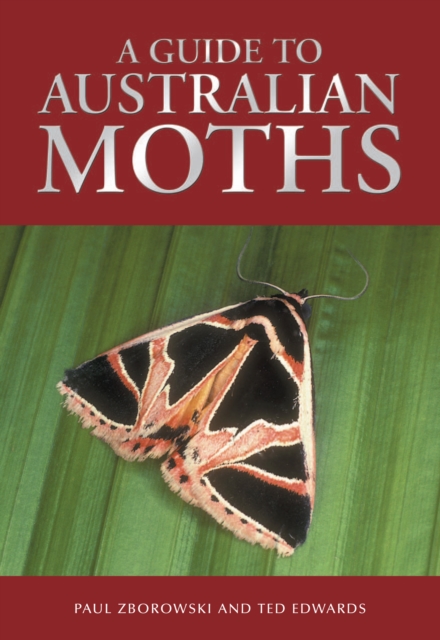
Moths are often thought of as the ugly cousins of butterflies, yet their colours can be just as remarkable and, with over 20,000 species in Australia, their biology and lifestyles are far more diverse.
Olethreutine moths often have fruit-boring larvae and this economically important group includes many horticultural pests such as codling moths, Oriental fruit moths and macadamia nut borers.