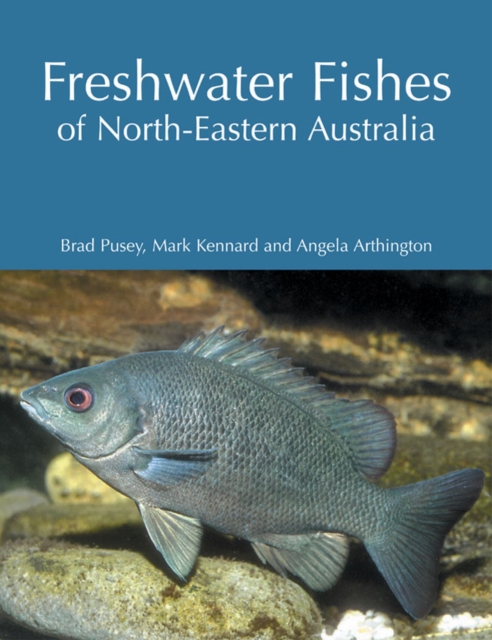
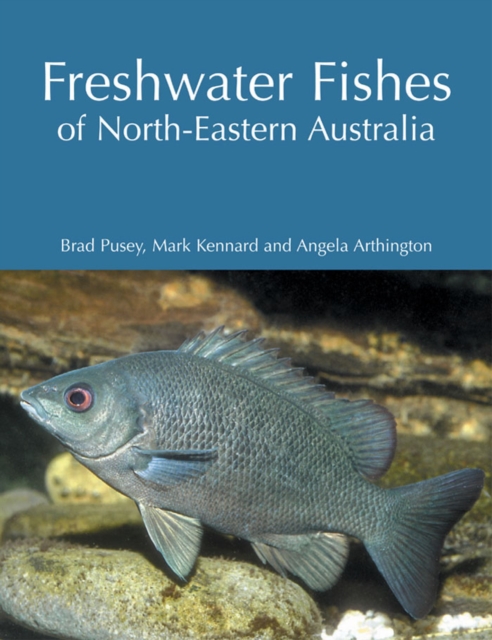
Freshwater Fishes of North-Eastern Australia provides details of the ecology, systematics, biogeography and management of 79 species of native fish present in the region.
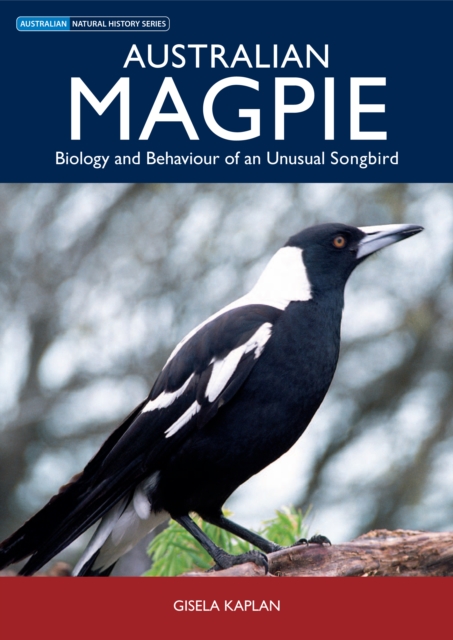
The warbling and carolling of the Australian magpie are familiar to many although few of us recognise that it ranks among the foremost songbirds of the world.
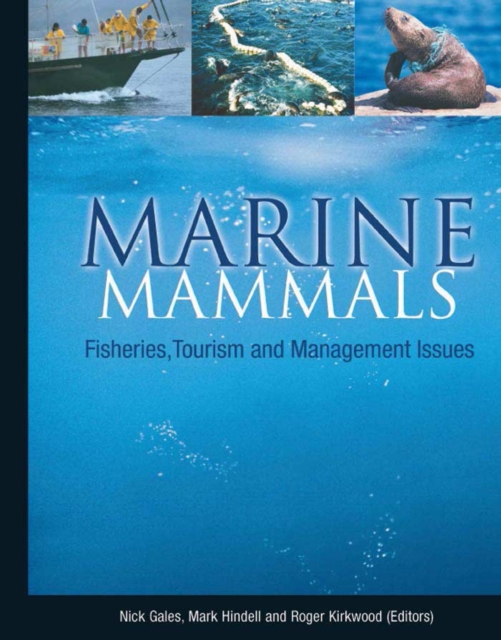
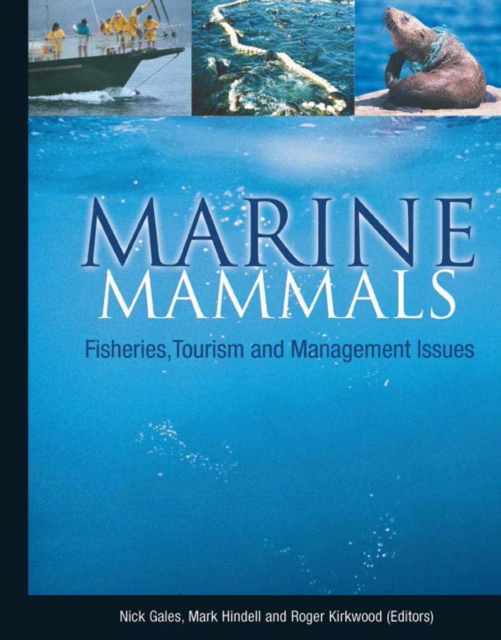
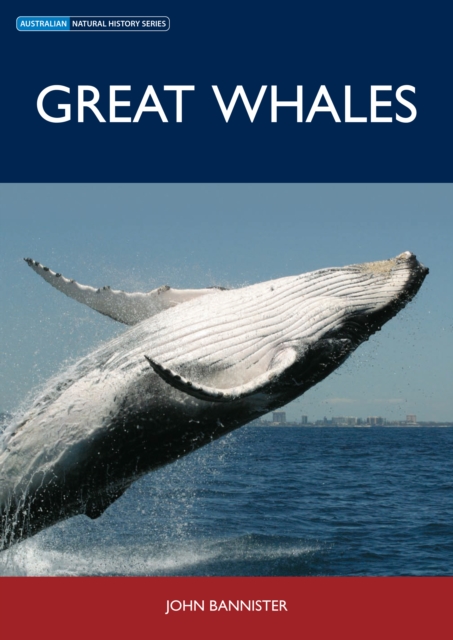
Marine Mammals: Fisheries, Tourism and Management Issues brings together contributions from 68 leading scientists from 12 countries to provide a comprehensive, up-to-date review on the way we manage our interactions with whales, dolphins, seals and dugongs.
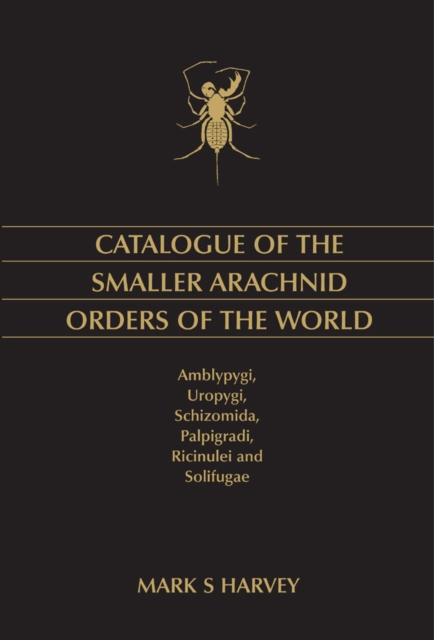
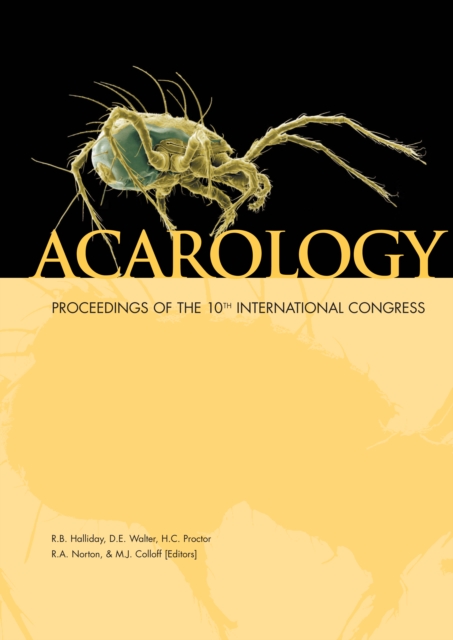
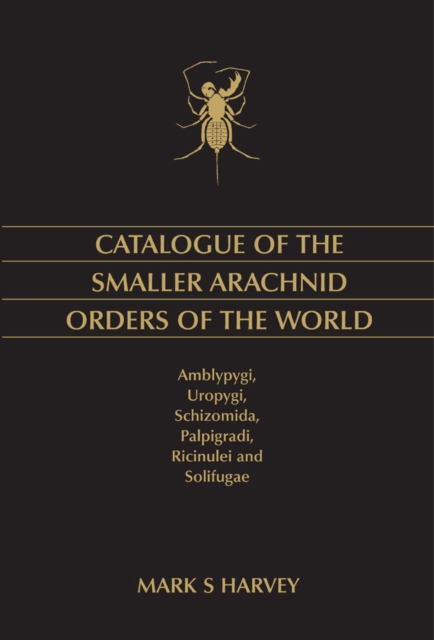
This authoritative catalogue will greatly assist readers in finding the correct taxonomic name for any given family, genus or species within each of the six arachnid orders treated.
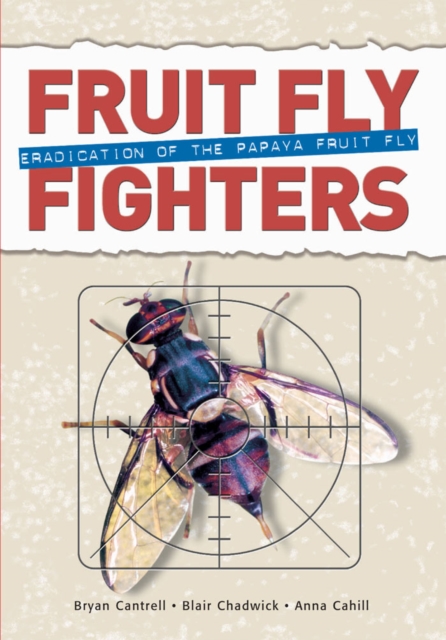
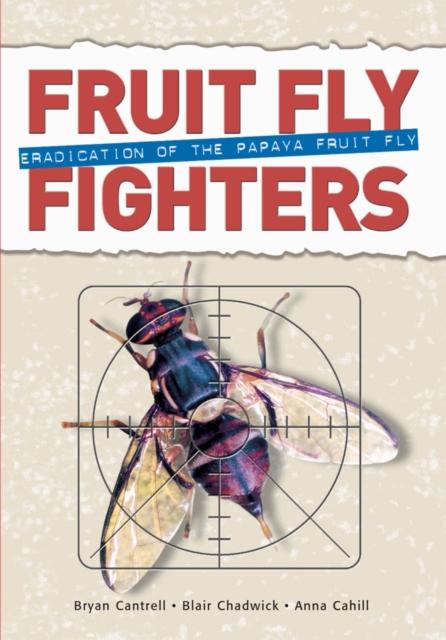
The campaign to eradicate the papaya fruit fly from north Queensland has been widely acknowledged by international scientists as a significant technical achievement that equals any similar control program world-wide.
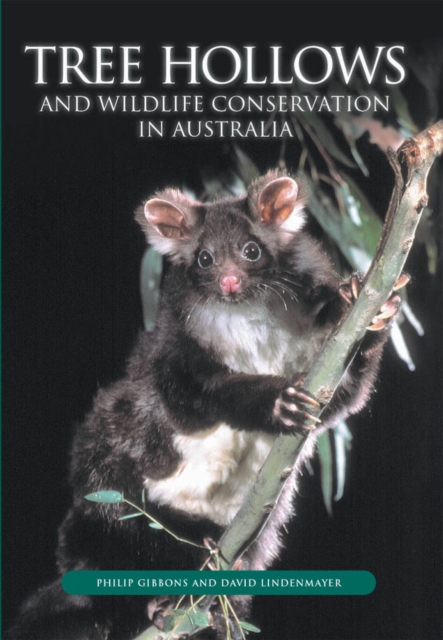
More than 300 species of Australian native animals — mammals, birds, reptiles and amphibians — use tree hollows, but there has never been a complete inventory of them.
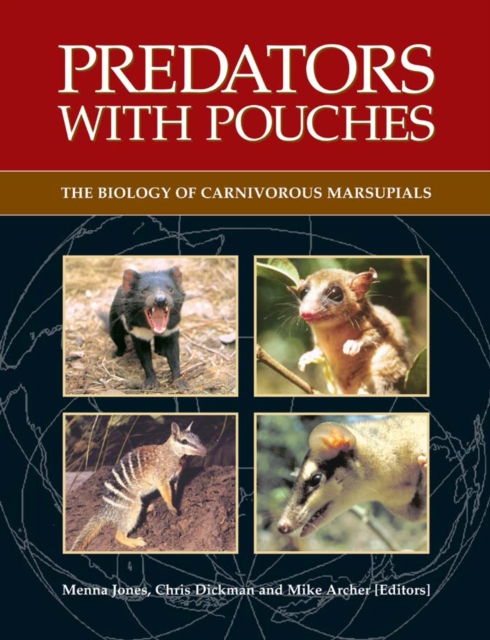
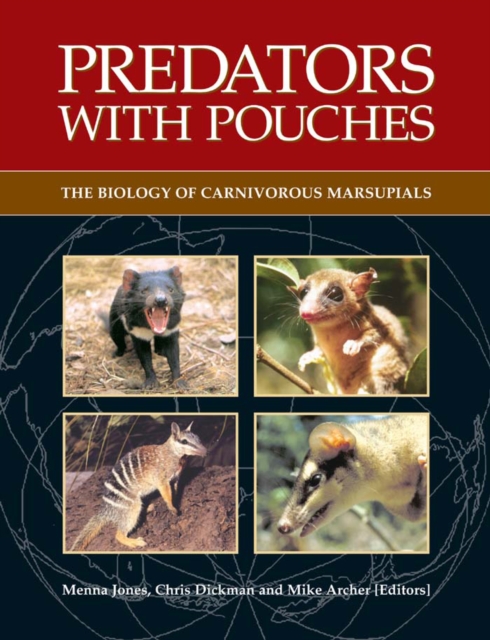
Predators with Pouches provides a unique synthesis of current knowledge of the world’s carnivorous marsupials—from Patagonia to New Guinea and North America to Tasmania.
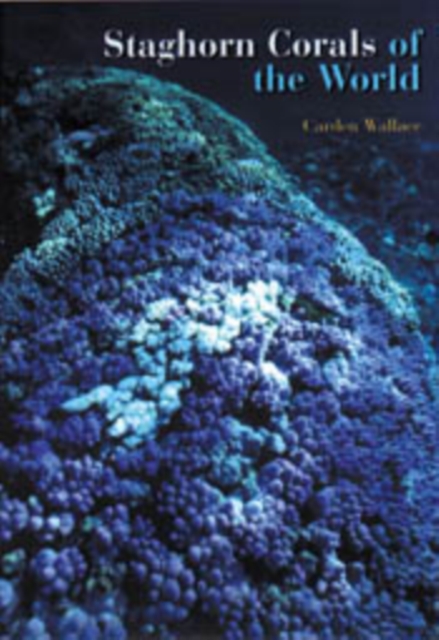
Staghorn corals (genus Acropora) are the most obvious and important corals on coral reefs throughout the world, providing much of the beauty and variety seen on the reefs.
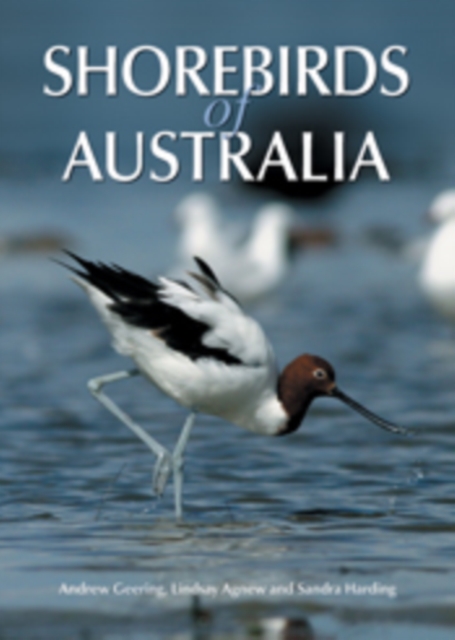
Shorebirds of Australia brings together the latest information about the evolution, ecology and behaviour of shorebirds and how they are distributed in Australia.
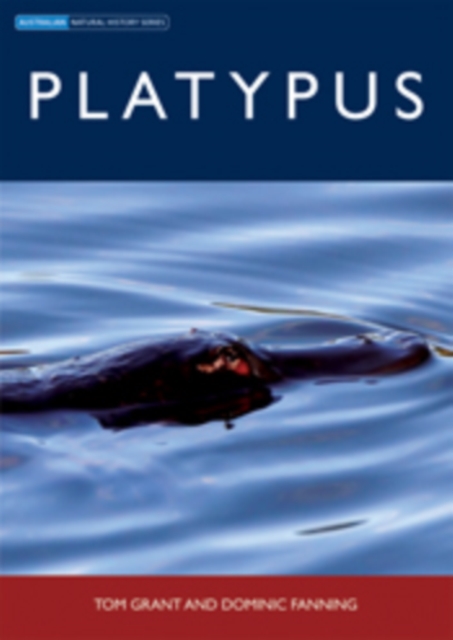
Since it first became known to European scientists and naturalists in 1798, the platypus has been the subject of controversy, interest and absolute wonder.
Predators with Pouches provides a unique synthesis of current knowledge of the world's carnivorous marsupials-from Patagonia to New Guinea and North America to Tasmania.
Pathology of Australian Native Wildlife brings together in one volume available information on the pathology of Australian native vertebrate wildlife, excluding fish.
Olethreutine moths often have fruit-boring larvae and this economically important group includes many horticultural pests such as codling moths, Oriental fruit moths and macadamia nut borers.
Mound-builders are unique in being the only birds that do not incubate their eggs using body heat; rather, a variety of naturally occurring sources of heat is exploited such as solar energy and the heat generated by decomposing organic matter.
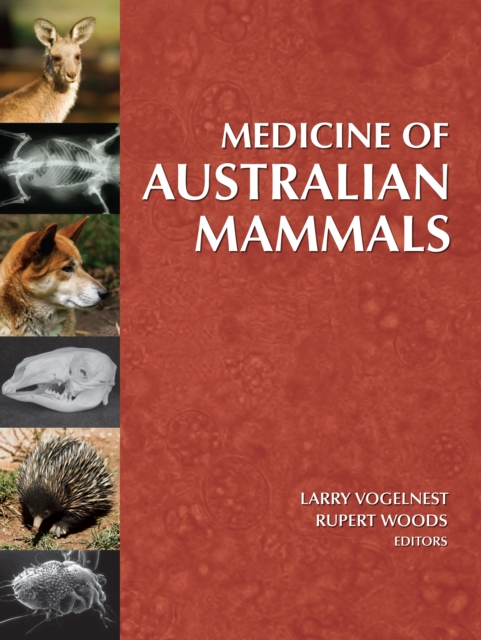
In Medicine of Australian Mammals, more than 30 experts present the most current information available on the medical management of all taxa of Australian native mammals.
Marine Mammals: Fisheries, Tourism and Management Issues brings together contributions from 68 leading scientists from 12 countries to provide a comprehensive, up-to-date review on the way we manage our interactions with whales, dolphins, seals and dugongs.
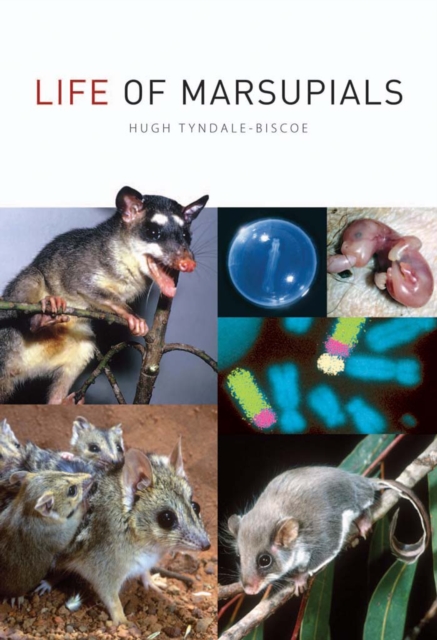
Over the past half a century research has revealed that marsupials - far from being 'second class' mammals - have adaptations for particular ways of life quite equal to their placental counterparts.
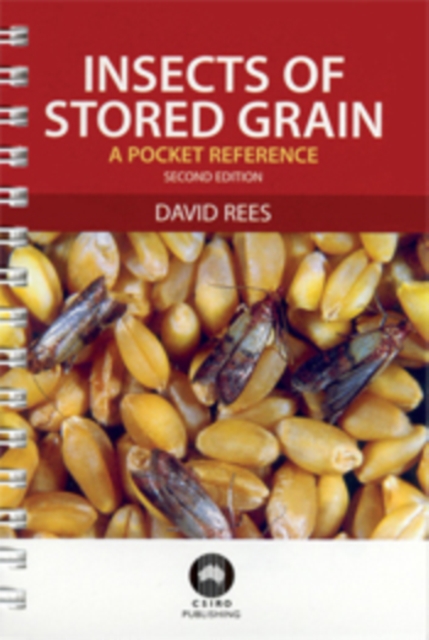
A pocket reference that allows the non-specialist to identify major insect and arachnid pests found in stored cereal grains, grain products and grain legumes.
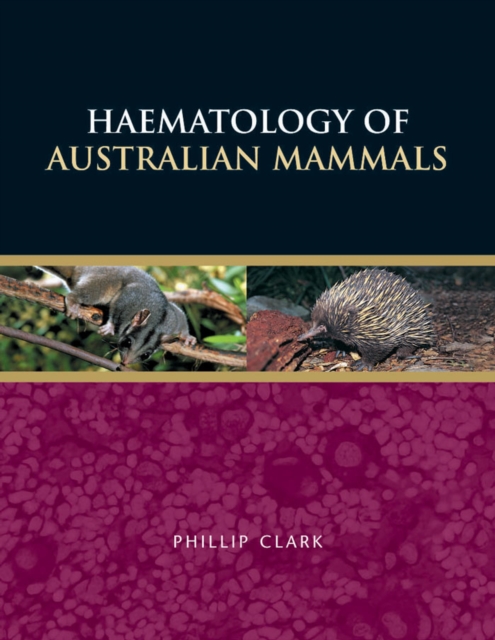
Haematology of Australian Mammals is a valuable guide to collecting and analysing the blood of Australian mammals for haematological studies and diagnosis and monitoring of disease.
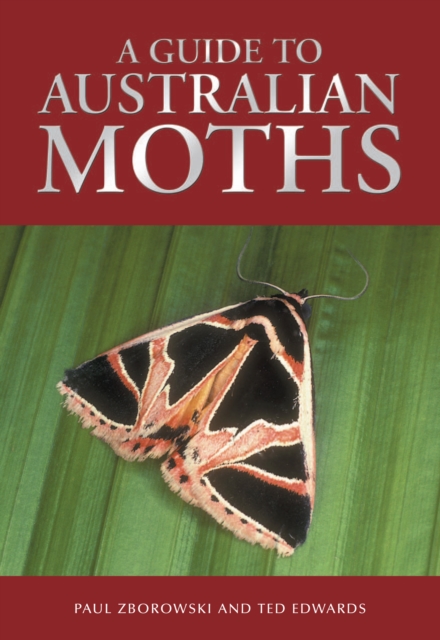
Moths are often thought of as the ugly cousins of butterflies, yet their colours can be just as remarkable and, with over 20,000 species in Australia, their biology and lifestyles are far more diverse.
The campaign to eradicate the papaya fruit fly from north Queensland has been widely acknowledged by international scientists as a significant technical achievement that equals any similar control program world-wide.
Freshwater Fishes of North-Eastern Australia provides details of the ecology, systematics, biogeography and management of 79 species of native fish present in the region.
This authoritative catalogue will greatly assist readers in finding the correct taxonomic name for any given family, genus or species within each of the six arachnid orders treated.
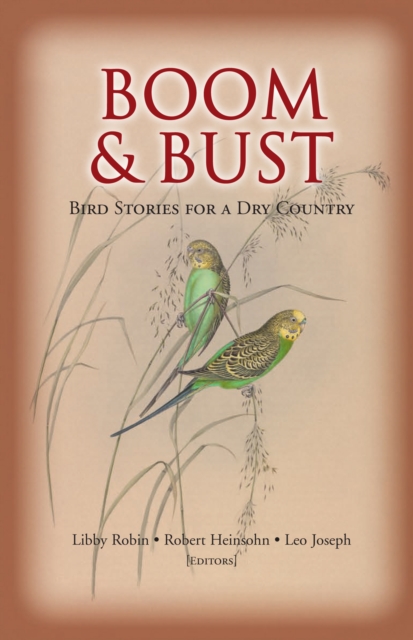
In Boom and Bust, the authors draw on the natural history of Australia's charismatic birds to explore the relations between fauna, people and environment in a continent where variability is 'normal' and rainfall patterns not always seasonal.