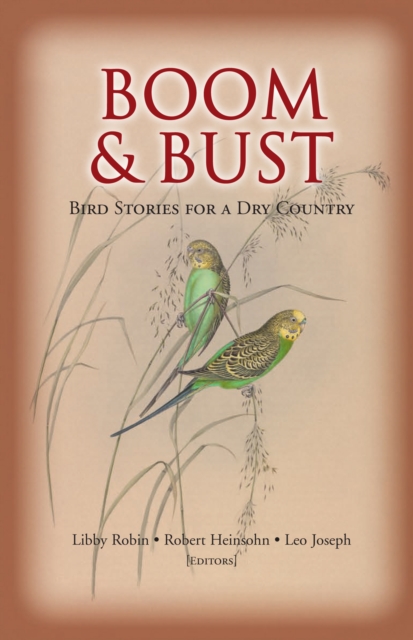
In Boom and Bust, the authors draw on the natural history of Australia's charismatic birds to explore the relations between fauna, people and environment in a continent where variability is 'normal' and rainfall patterns not always seasonal.
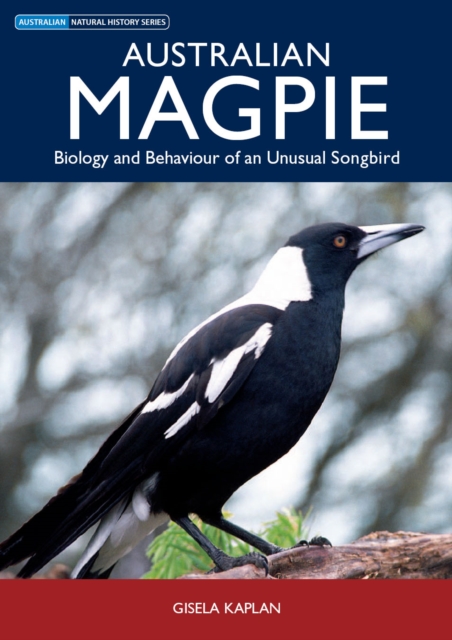
The warbling and carolling of the Australian magpie are familiar to many although few of us recognise that it ranks among the foremost songbirds of the world.
This new textbook fills an important niche by offering a lively overview of the principles of ecology for a broad range of university-level science and biology courses.
This book covers the proceedings of a major 2006 symposium on macropods that brought together the many recent advances in the biology of this diverse group of marsupials, including research on some of the much neglected macropods such asthe antilopine wallaroo, the swamp wallaby and tree-kangaroos.
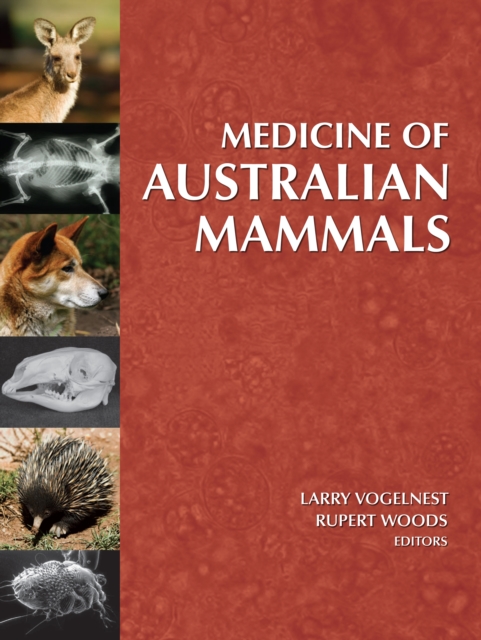
In Medicine of Australian Mammals, more than 30 experts present the most current information available on the medical management of all taxa of Australian native mammals.
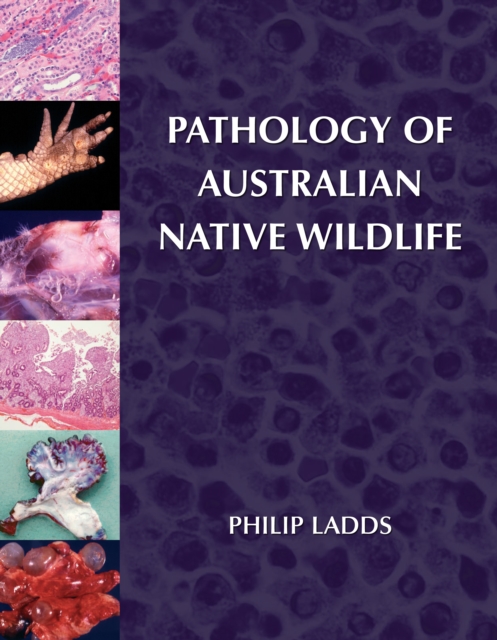
Pathology of Australian Native Wildlife brings together in one volume available information on the pathology of Australian native vertebrate wildlife, excluding fish.
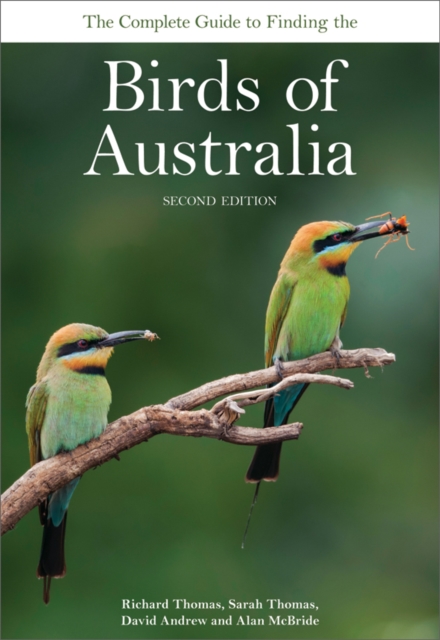
First published in 1994, The Complete Guide to Finding the Birds of Australia was the first ever book of its type in Australia – a complete guide to locating every resident bird species in Australia, plus supplementary information on where to find rarities, migratory species and logistical information.
Desert Channels is a book that combines art, science and history to explore the ‘impulse to conserve’ in the distinctive Desert Channels country of south-western Queensland.
This three-volume series represents a comprehensive treatment of the beetles of Australia, a relatively under-studied fauna that includes many unusual and unique lineages found nowhere else on Earth.
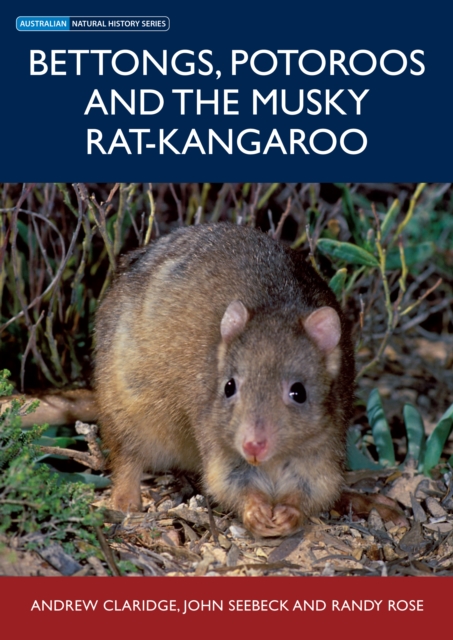
The Channel Country is of special interest because its extreme aridity is disrupted unpredictably by summer monsoonal rains, causing massive flooding, and is followed by prodigious growth of plants and reproduction of animals, before returning to daunting conditions of drought.
In Ten Commitments: Reshaping the Lucky Country’s Environment, leading environmental thinkers in Australia have written provocative chapters on environmental issues facing the nation.
In Boom and Bust, the authors draw on the natural history of Australia's charismatic birds to explore the relations between fauna, people and environment in a continent where variability is 'normal' and rainfall patterns not always seasonal.
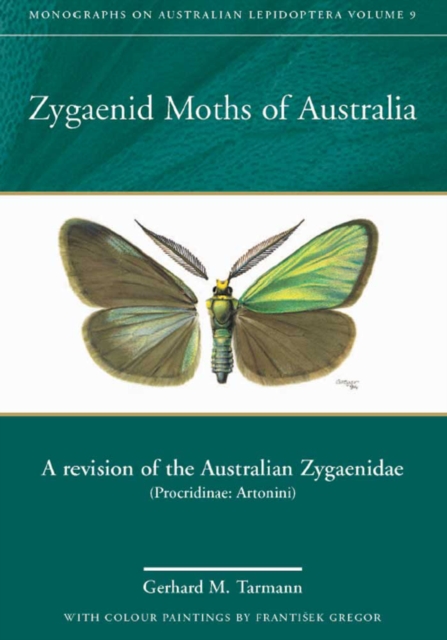
This is the first comprehensive, reliable, well-illustrated book covering the enormous diversity of Australian moths, summarising our knowledge of them by the acknowledged experts in the field.
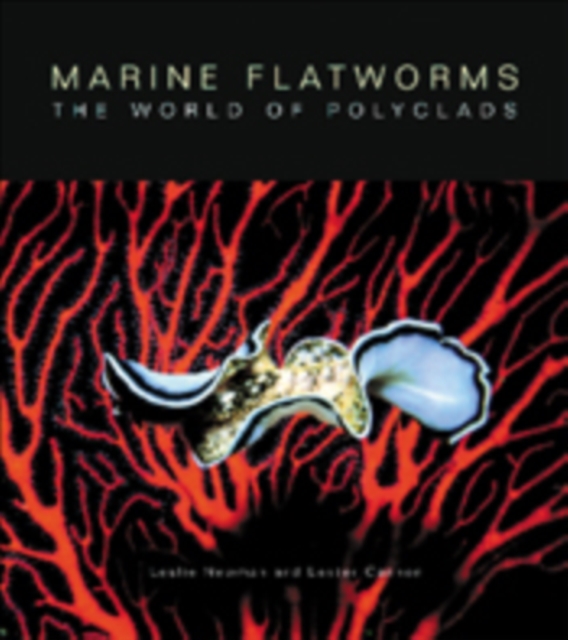
Marine Flatworms provides a fascinating introduction to the intriguing world of polyclad flatworms, a group of large, free-living marine Platyhelminthes, which are found throughout the world but are most colourful in tropical waters.
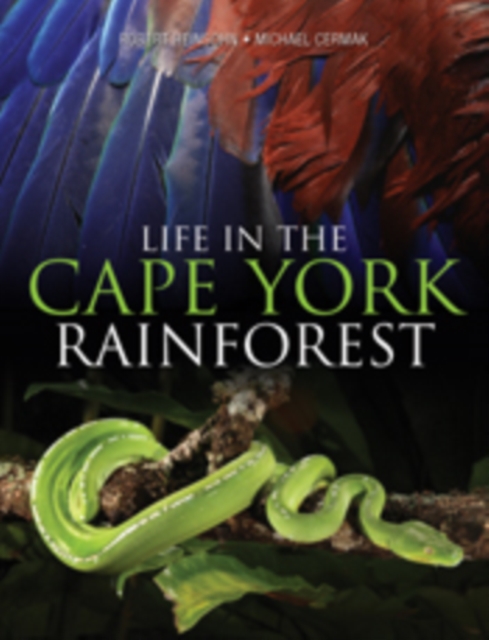
The remote, beautiful and poorly known rainforests of Cape York Peninsula tell a special story about Australia’s historic and present-day connections to New Guinea.
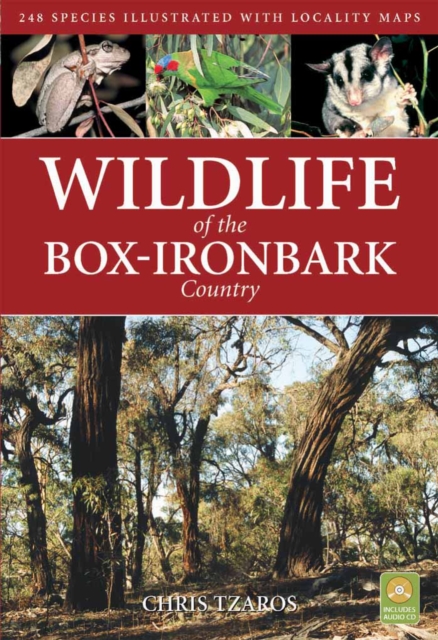
The forests and woodlands of Victoria's Box-Ironbark Region are one of the most important areas of animal diversity and significance in southern Australia.
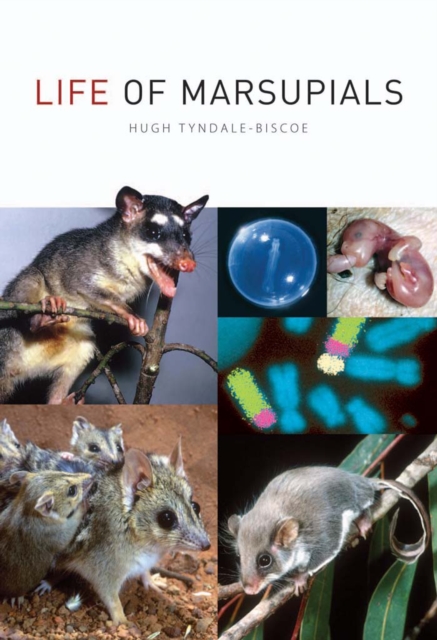
Over the past half a century research has revealed that marsupials – far from being ‘second class’ mammals – have adaptations for particular ways of life quite equal to their placental counterparts.
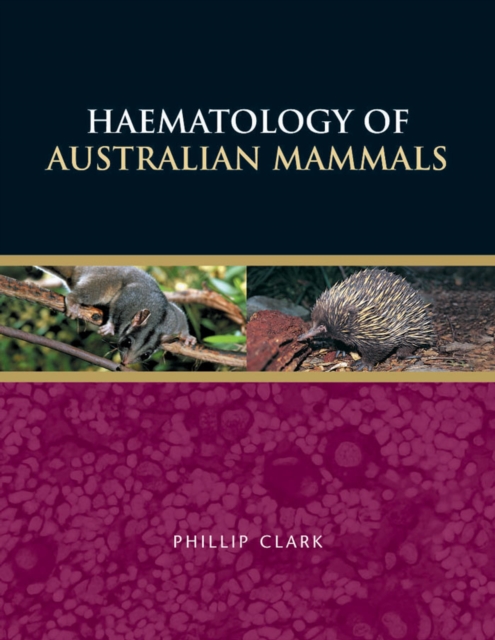
Haematology of Australian Mammals is a valuable guide to collecting and analysing the blood of Australian mammals for haematological studies and diagnosis and monitoring of disease.
As the current millennium steams towards a close, one cannot help but look with amazement at the incredible amount of progress that has been achieved in medicine in just the last few decades.
The study of immunology encompasses a vast and ever-growing body of information that in some way or other incorporates most areas of medical biological research.