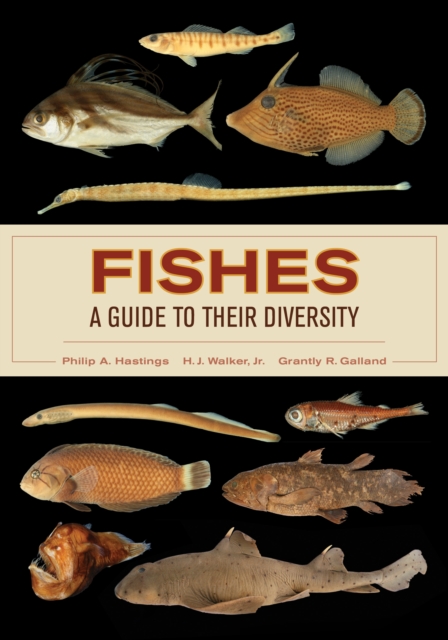
We cannot catechise our stony ichthyolites, as did the necromantic lady of the Arabian Nights did the coloured fishes of the lake which had once been a city, when she touched their dead bodies with her wand, and they straightaway raised their heads and rephed to her queries.
Jorge Tadeo Lozano compartió con muchos de sus compañeros de generación y estudio la preocupación por el fomento de la riqueza de su patria y la obsesión por el conocimiento de sus recursos naturales.
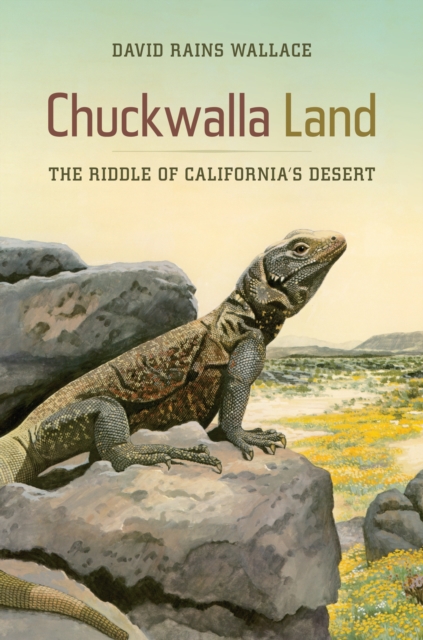
One of the most important hotspots of herpetological biodiversity in the United States, California is home to many endemic amphibians and reptiles found nowhere else on earth.
Parrots of the Wildis an exhaustive compendium of information about parrots, from their evolutionary history to their behavior to present-day conservation issues.
Hans Thewissen, a leading researcher in the field of whale paleontology and anatomy, gives a sweeping first-person account of the discoveries that brought to light the early fossil record of whales.
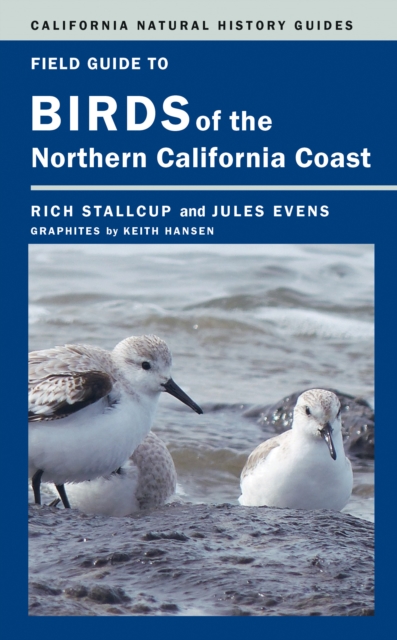
The Northern California coast--from Monterey County to the Oregon border--is home to some of the richest avian habitats on the North American continent.
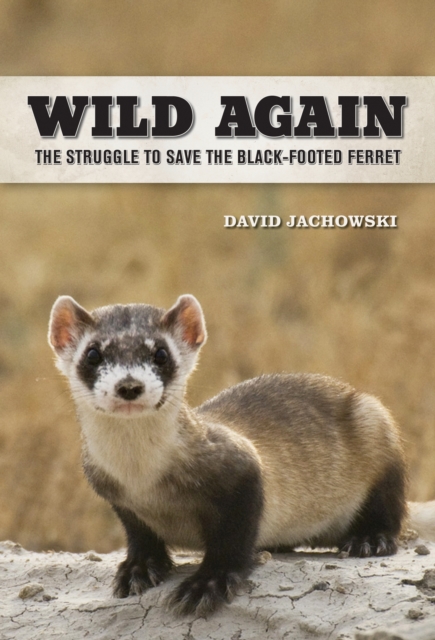
This engaging personal account of one of America's most contested wildlife conservation campaigns has as its central character the black-footed ferret.
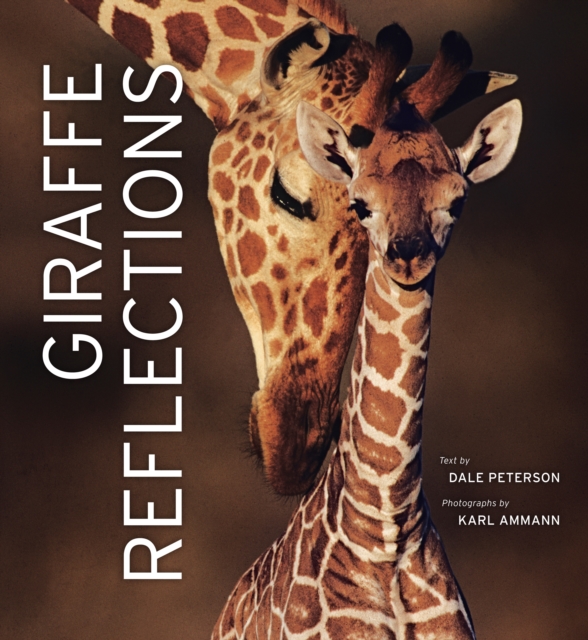
The most comprehensive book on giraffes to appear in the last fifty years, this volume presents a magnificent portrait of a group of animals who, in spite of their legendary elegance and astonishing gentleness, may not entirely survive this century.
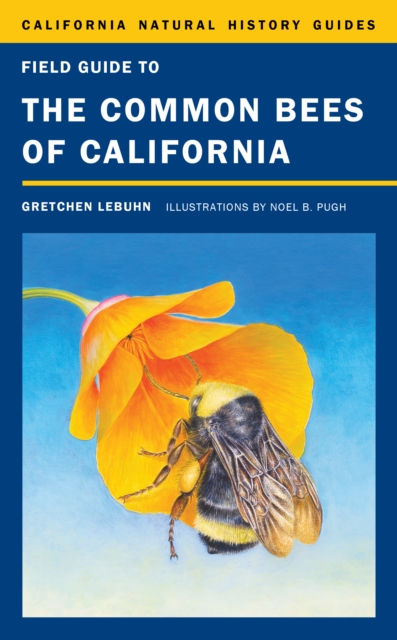
This engaging and easy-to-use natural history guidebook provides a thorough overview of native and honey bee biology and offers tools for identifying the most common bees of California and the Western United States.
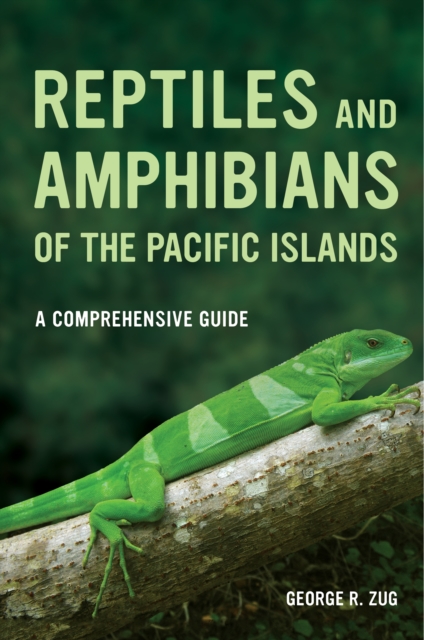
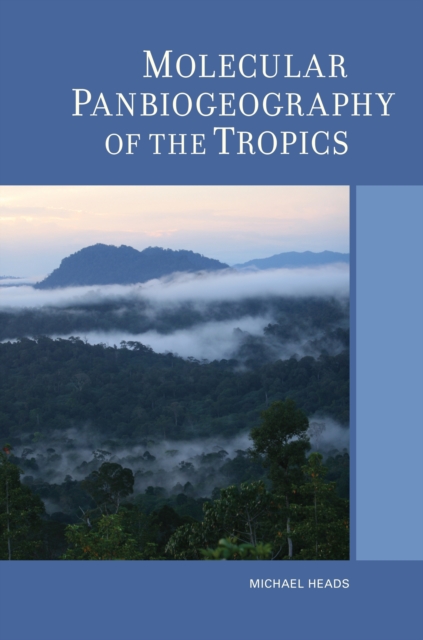
The Pacific is not only the world's largest body of water; its vast expanse also includes an extraordinary number and diversity of oceanic islands, from Palau and the Marianas east of the Philippines to Cocos Island and the Galapagos west of the Americas.
The ant fauna of the Fijian archipelago is a diverse assemblage of endemic radiations, pan-Pacific species, and exotics introduced from around the world.
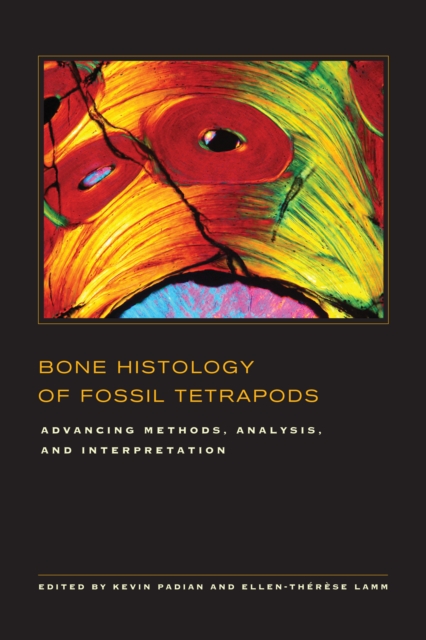
The microscopic examination of fossilized bone tissue is a sophisticated and increasingly important analytical tool for understanding the life history of ancient organisms.
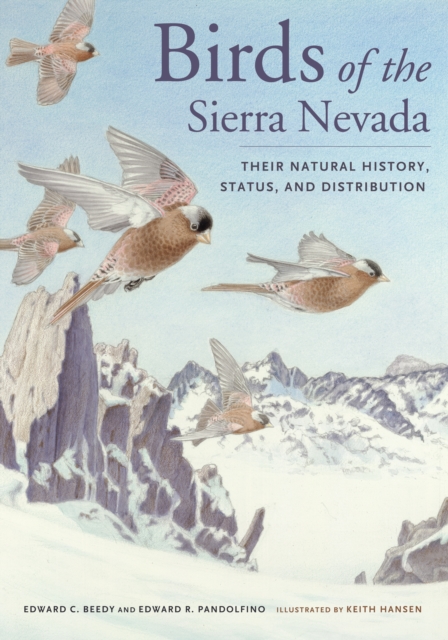
This beautifully illustrated and user-friendly book presents the most up-to-date information available about the natural histories of birds of the Sierra Nevada, the origins of their names, the habitats they prefer, how they communicate and interact with one another, their relative abundance, and where they occur within the region.
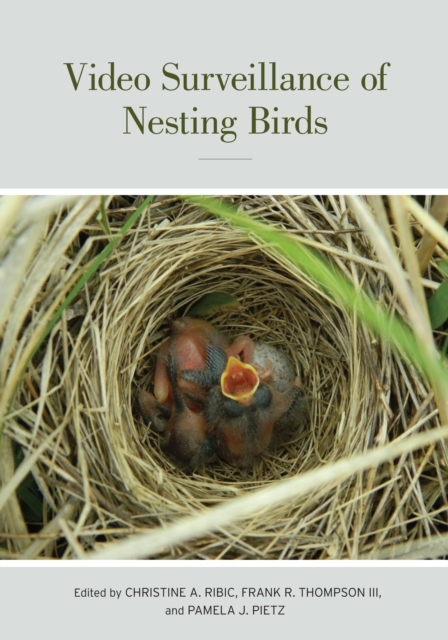
Declining bird populations, especially those that breed in North American grasslands, have stimulated extensive research on factors that affect nest failure and reduced reproductive success.
Now that more than half of the world's population lives in cities, the study of birds in urban ecosystems has emerged at the forefront of ornithological research.
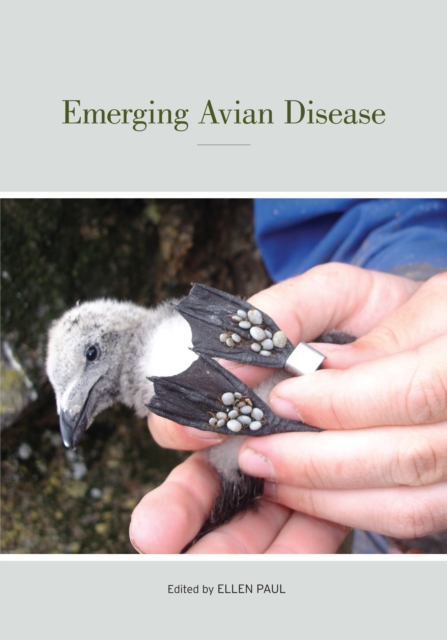
In this volume, new human disease pandemics, arising from animals stimulated by ongoing environmental change, demonstrate the value of ornithological research into avian diseases.
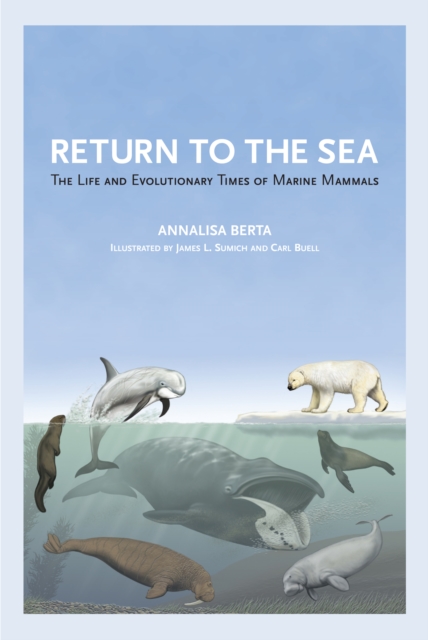
Return to the Sea portrays the life and evolutionary times of marine mammalsfrom giant whales and sea cows that originated 55 million years ago to the deep-diving elephant seals and clam-eating walruses of modern times.
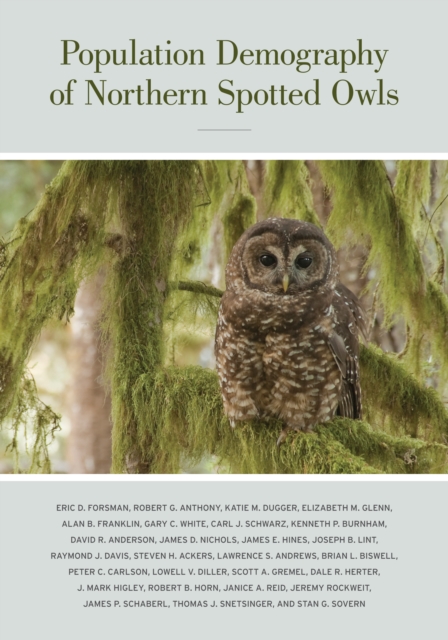
The Northern Spotted Owl, a threatened species that occurs in coniferous forests in the western United States, has become a well-known environmental symbol.
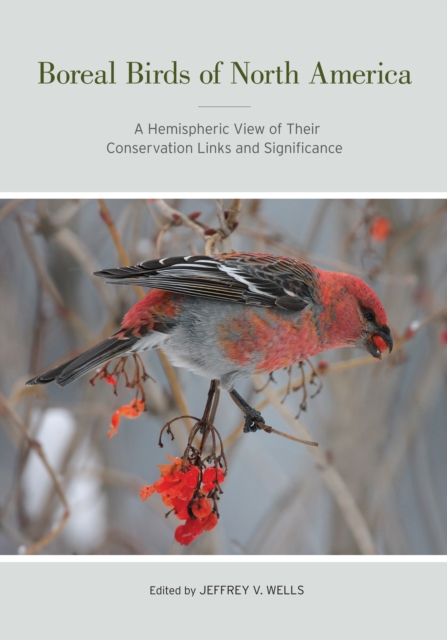
Reaching from interior Alaska across Canada to Labrador and Newfoundland, North America's boreal forest is the largest wilderness area left on the planet.
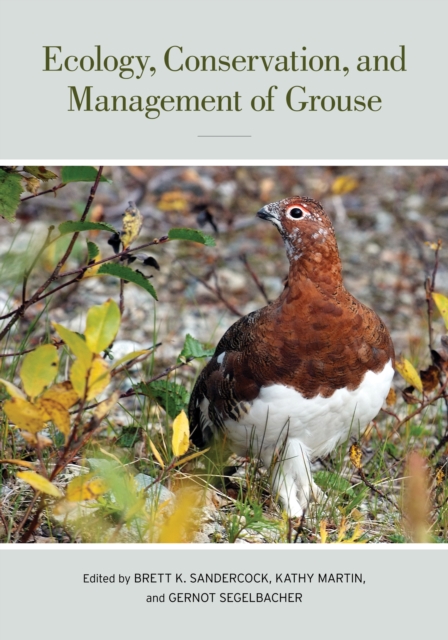
Grouse-an ecologically important group of birds that include capercaillie, prairie chickens, and ptarmigan-are distributed throughout the forests, grasslands, and tundra of Europe, Asia, and North America.
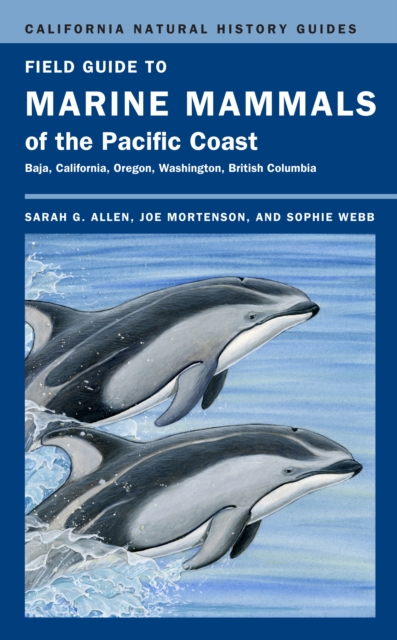
From gray whales giving birth in the lagoons of Baja California to sea otters nestled in kelp beds off California to killer whales living around Vancouver Island-this spectacular stretch of the Pacific Coast boasts one of the most abundant populations of sea mammals on earth.
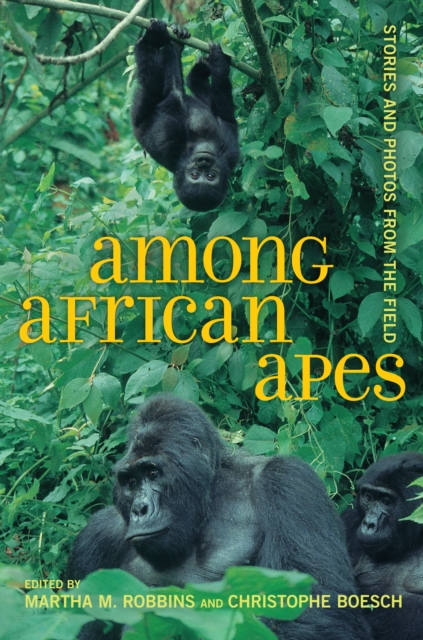
These compelling stories and photographs take us to places like Bwindi Impenetrable National Park in Uganda, Ivindo National Park in Gabon, and the Tai National Park in Cote d'Ivoire for an intimate and revealing look at the lives of African wild apes-and at the lives of the humans who study them.
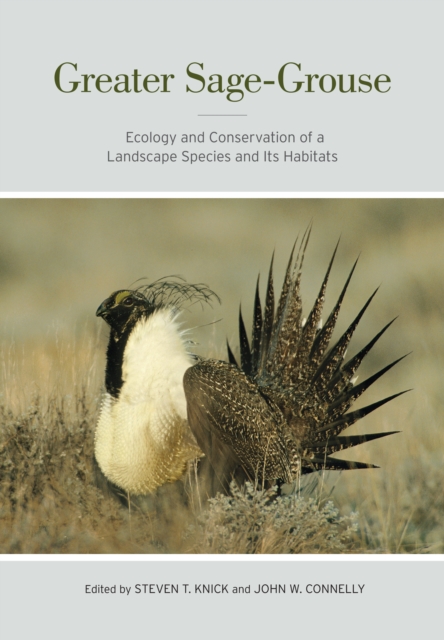
Admired for its elaborate breeding displays and treasured as a game bird, the Greater Sage-Grouse is a charismatic symbol of the broad open spaces in western North America.
Described as "e;a writer in the tradition of Henry David Thoreau, John Muir, and other self-educated seers"e; by the San Francisco Chronicle, David Rains Wallace turns his attention in this new book to another distinctive corner of California-its desert, the driest and hottest environment in North America.
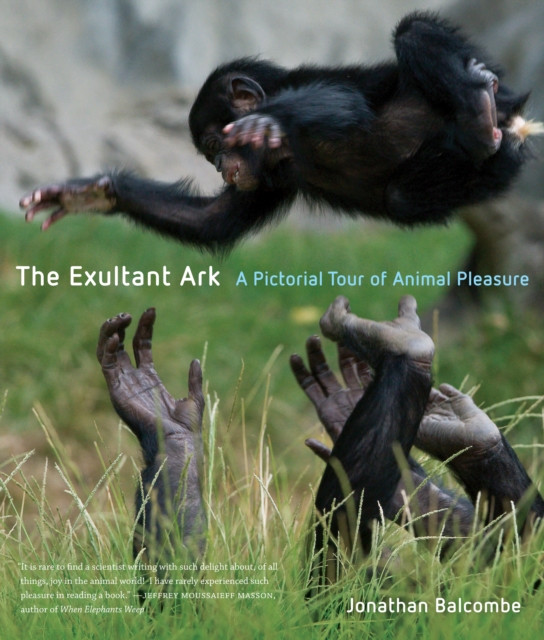
Nature documentaries often depict animal life as a grim struggle for survival, but this visually stunning book opens our eyes to a different, more scientifically up-to-date way of looking at the animal kingdom.
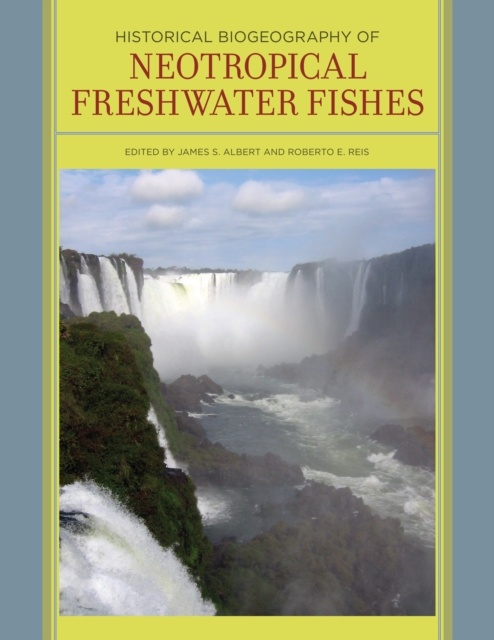
The fish faunas of continental South and Central America constitute one of the greatest concentrations of aquatic diversity on Earth, consisting of about 10 percent of all living vertebrate species.
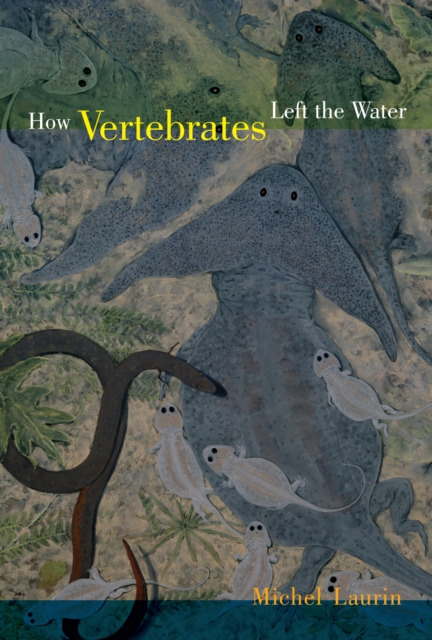
More than three hundred million years ago-a relatively recent date in the two billion years since life first appeared-vertebrate animals first ventured onto land.