Written to be accessible to any college-level reader, Protecting Life on Earth offers a non-technical, yet comprehensive introduction to the growing field of conservation science.
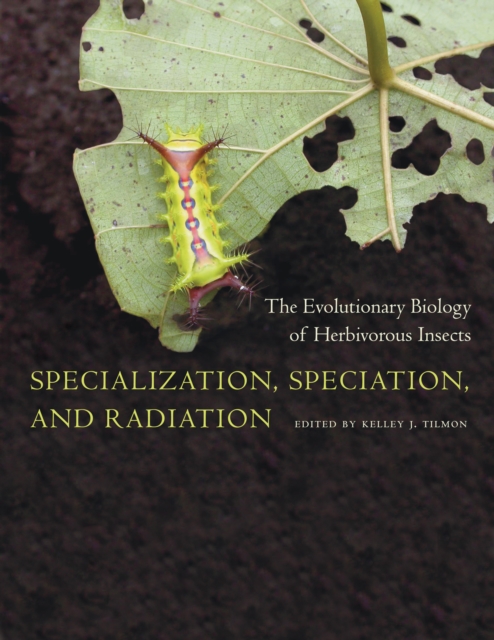
Insects boast incredible diversity, and this book treats an important component of the western insect biota that has not been summarized before-moths and their plant relationships.
The life cycles of fishes are complex and varied, and knowledge of the early life stages is important for understanding the biology, ecology, and evolution of fishes.
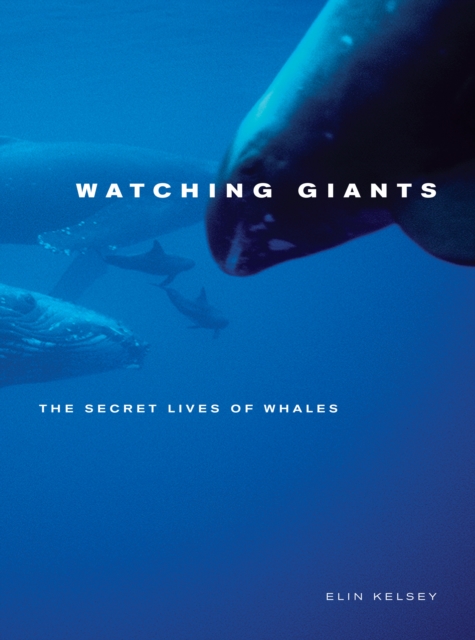
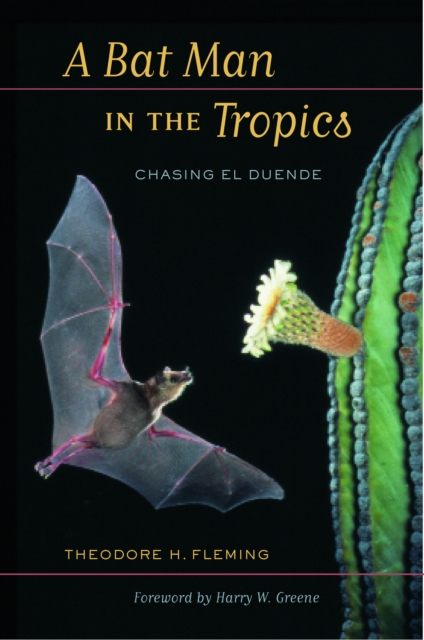
Personal, anecdotal, and highly engaging, Watching Giants opens a window on a world that seems quite like our own, yet is so different that understanding it pushes the very limits of our senses.
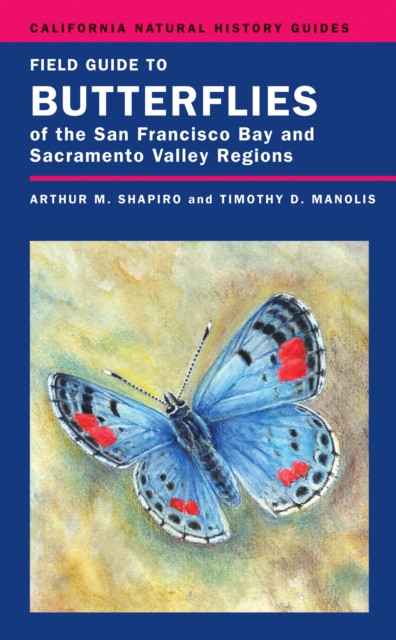
The California Tortoiseshell, West Coast Lady, Red Admiral, and Golden Oak Hairstreak are just a few of the many butterfly species found in the floristically rich San Francisco Bay and Sacramento Valley regions.
This guide synthesizes the most current information available on the pests and environmental conditions that can damage California's conifers, the vast majority of native trees in the state.
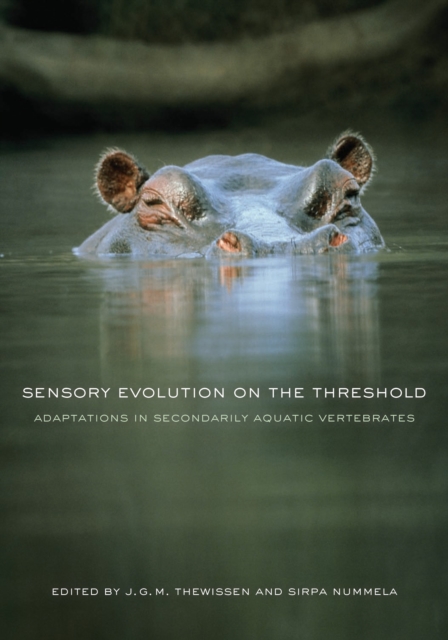
From crocodiles and penguins to seals and whales, this comprehensive and authoritative synthesis explores the function and evolution of sensory systems in animals whose ancestors lived on land.
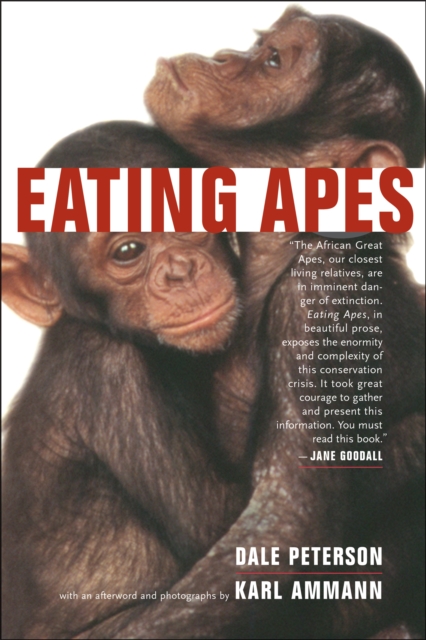
Eating Apes is an eloquent book about a disturbing secret: the looming extinction of humanity's closest relatives, the African great apes-chimpanzees, bonobos, and gorillas.
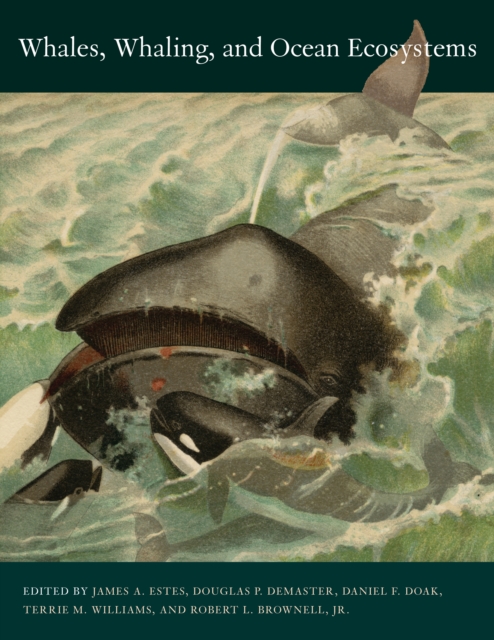
This unprecedented volume presents a sweeping picture of what we know about the natural history, biology, and ecology of whales in the broad context of the dynamics of ocean ecosystems.
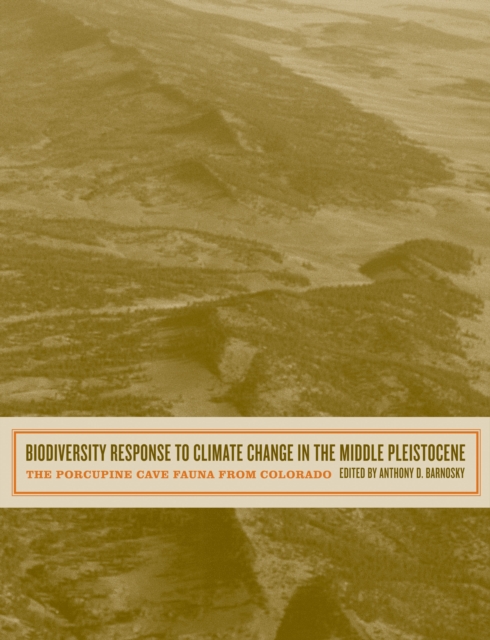
This book chronicles the discovery and analysis of animal fossils found in one of the most important paleontological sites in the world-Porcupine Cave, located at an elevation of 9,500 feet in the Colorado Rocky Mountains.
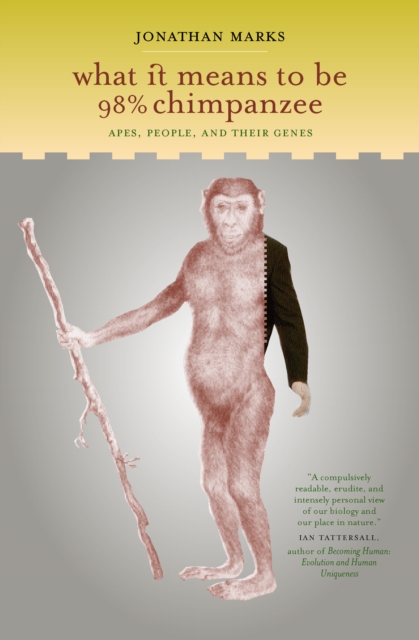
Marks presents the field of molecular anthropology-a synthesis of the holistic approach of anthropology with the reductive approach of molecular genetics-as a way of improving our understanding of the science of human evolution.
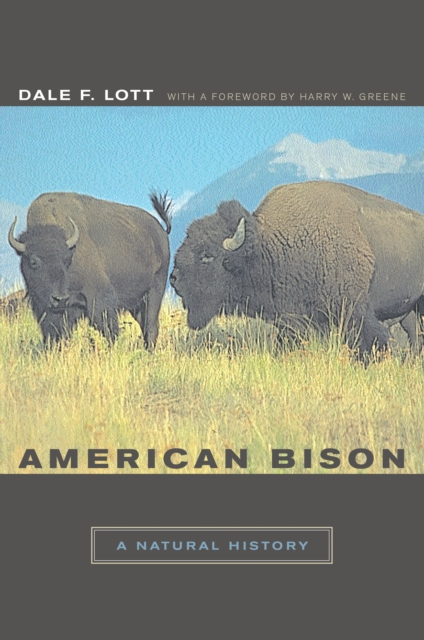
American Bison combines the latest scientific information and one man's personal experience in an homage to one of the most magnificent animals to have roamed America's vast, vanished grasslands.
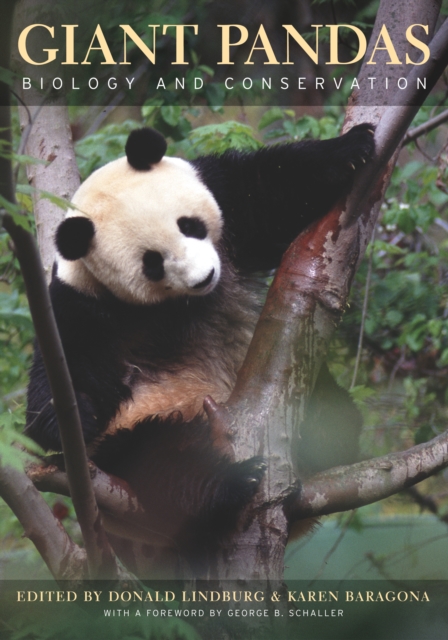
The much-loved giant panda, a secretive denizen of the dense bamboo forests of western China, has become an icon worldwide of progress in conservation and research.
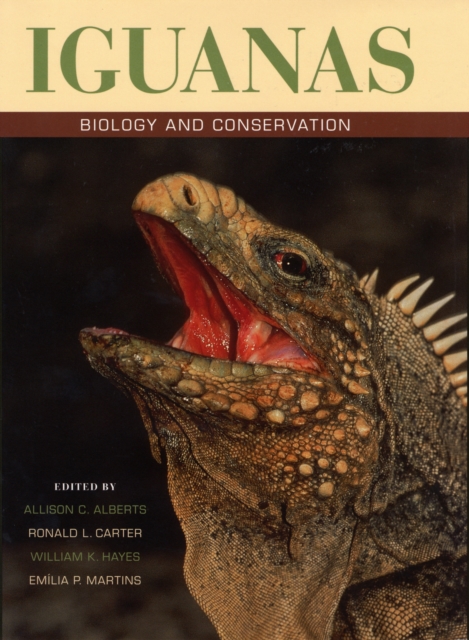
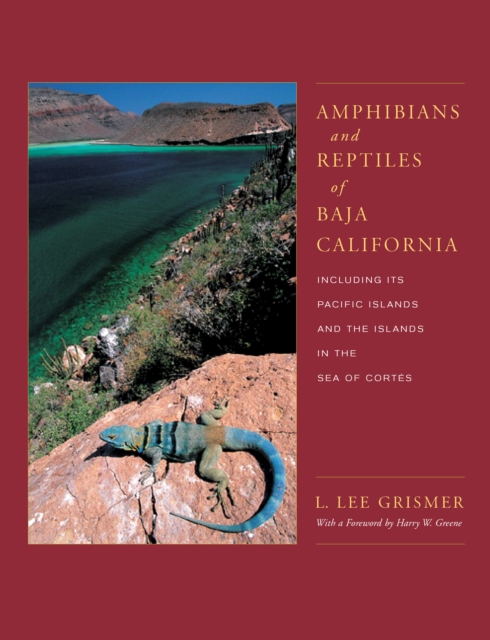
In what is certain to be the key reference on iguanas for years to come, some of the world's leading experts offer a clear and accessible account of the latest research on the evolution, behavioral ecology, and conservation of these highly visible and increasingly endangered creatures, much loved by professional herpetologists and hobbyists alike.
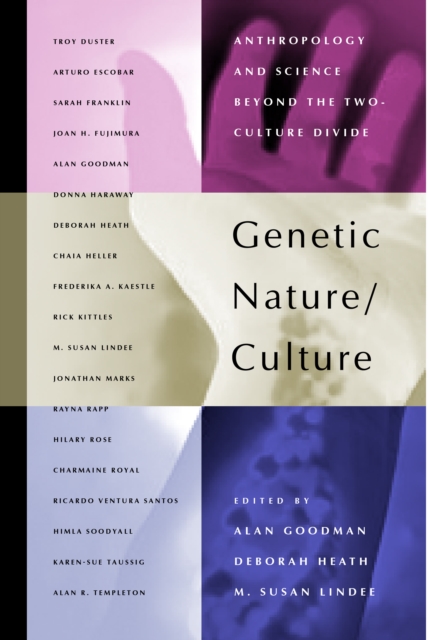
The so-called science wars pit science against culture, and nowhere is the struggle more contentious-or more fraught with paradox-than in the burgeoning realm of genetics.
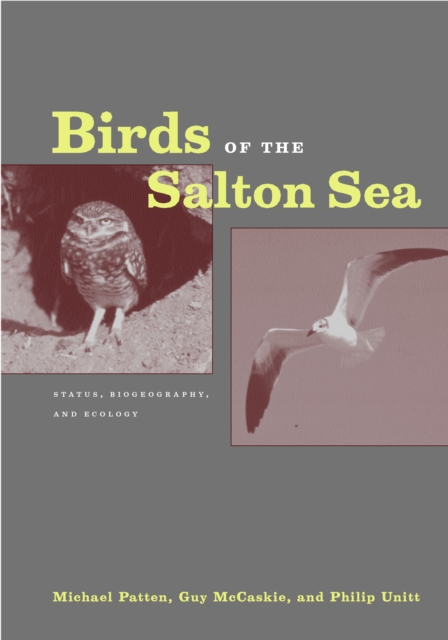
The Salton Sea, California's largest inland lake, supports a spectacular bird population that is among the most concentrated and most diverse in the world.
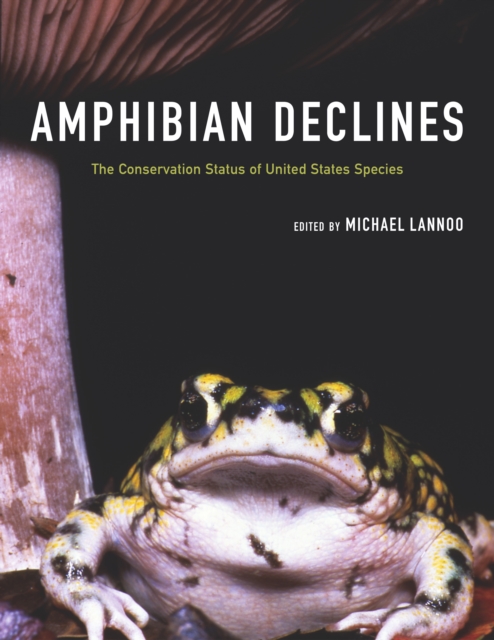
This benchmark volume documents in comprehensive detail a major environmental crisis: rapidly declining amphibian populations and the disturbing developmental problems that are increasingly prevalent within many amphibian species.
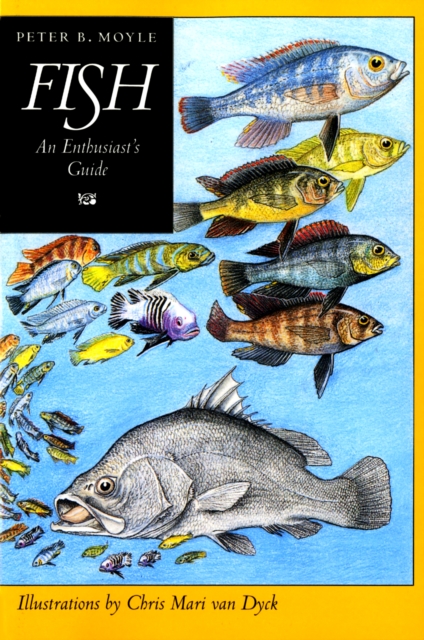
Engagingly written, with both learning and humor, Fish bridges the gap between purely pictorial books and scholarly texts, and provides a succinct summary of fish biology and conservation for students and fish enthusiasts.
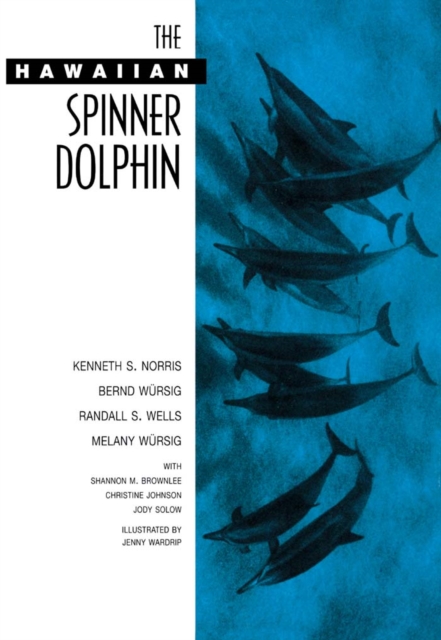
Twenty years in the making by a distinguished dolphin expert and his associates, The Hawaiian Spinner Dolphin is the first comprehensive scientific natural history of a dolphin species ever written.
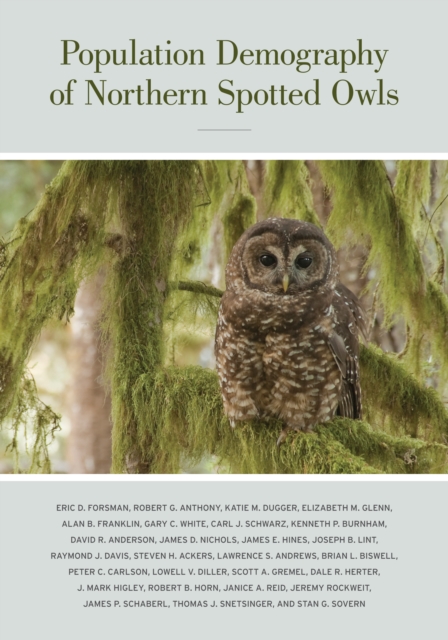
The Northern Spotted Owl, a threatened species that occurs in coniferous forests in the western United States, has become a well-known environmental symbol.
A thrilling tour of the sea's most extreme species, coauthored by one of the world's leading marine scientistsThe ocean teems with life that thrives under difficult situations in unusual environments.
This important book contains a great wealth of practical information on trout and salmon, species of fish that are of huge scientific and commercial interest.
The goldfish, Carassius auratus, a member of the Carp family, Cyprinidae, has been domesticated for many hundreds of years, as a food fish, a laboratory animal and now most important commercially, for ornamental and aesthetic purposes.
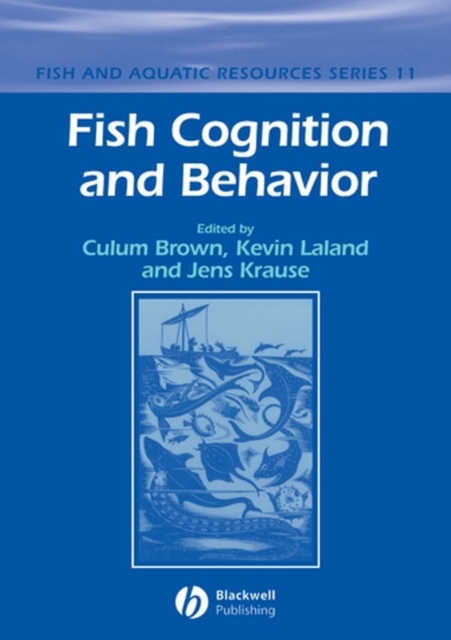
The study of animal cognition has been largely confined to birds and mammals; a historical bias which has led to the belief that learning plays little or no part in the development of behaviour in fishes and reptiles.
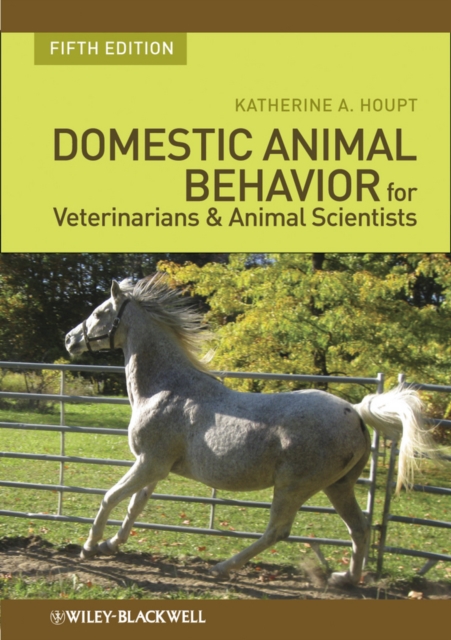
Domestic Animal Behavior, Fifth Edition is a fully updated revision of this classic text, with chapters examining key behavior issues ranging from communication to social structure.
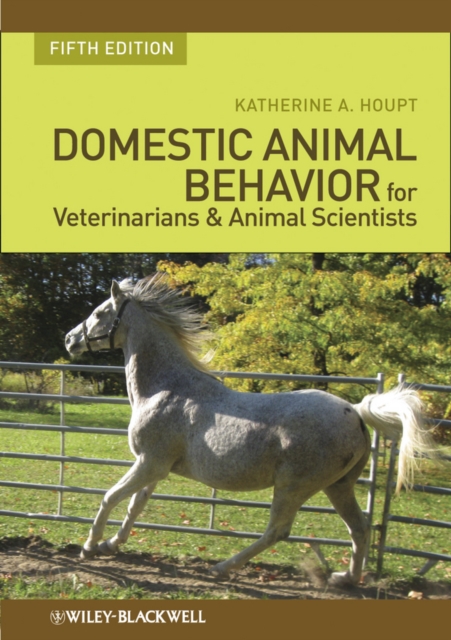
Domestic Animal Behavior, Fifth Edition is a fully updated revision of this classic text, with chapters examining key behavior issues ranging from communication to social structure.