This fascinating volume delves into the forefront of pharmaceutical research to shed light on the ground-breaking methodologies and technologies driving advancements in drug discovery today.
This book comprehensively reviews the diverse potential of microbial enzymes with therapeutic applications, covering their production, purification, and utilization.
DNA-encoded libraries have numerous advantages over traditional screening methods, including easy identification of compounds and the large quantity of compounds that can be screened simultaneously.
DNA-encoded libraries have numerous advantages over traditional screening methods, including easy identification of compounds and the large quantity of compounds that can be screened simultaneously.
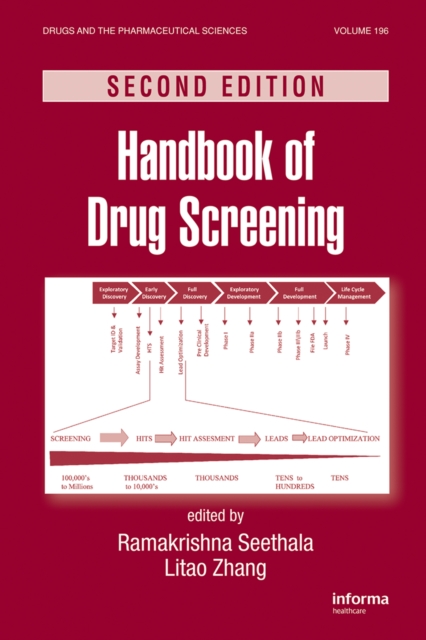
Building upon the foundation of basics discussed in the previous edition, the Second Edition provides a more in-depth look at the latest methods and technologies of advanced drug screening, an essential function of drug discovery.
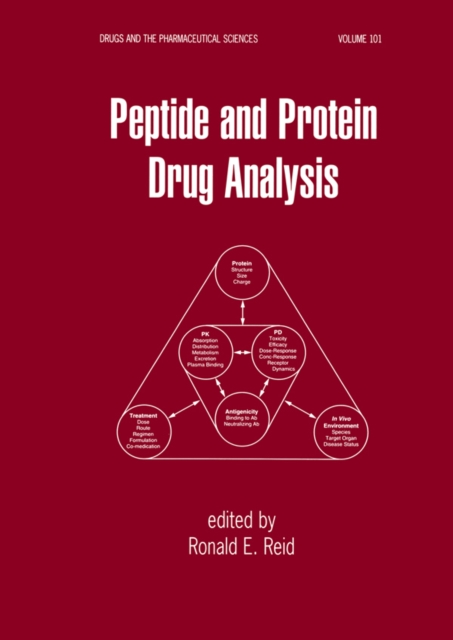
Furthering efforts to simulate the potency and specificity exhibited by peptides and proteins in healthy cells, this remarkable reference supplies pharmaceutical scientists with a wealth of techniques for tapping the enormous therapeutic potential of these molecules-providing a solid basis of knowledge for new drug design.
Selecting illustrative examples from the recent literature, this reference studies the underlying principles and physics of a wide range of spectroscopic techniques utilized in the pharmaceutical sciences and demonstrates various applications for each method analyzed in the text-showing how knowledge of the mechanisms of spectroscopic phenomena may
Employing a wide range of examples from G-protein-coupled receptors and ligand-gated ion channels, this detailed, single-source reference illustrates the principles of pharmacological analysis and receptor classification that are the basis of rational drug design.
Globally, millions of deaths are reported annually due to cancers, bacterial, fungal, viral and parasitic diseases, diabetes and inflammatory conditions.
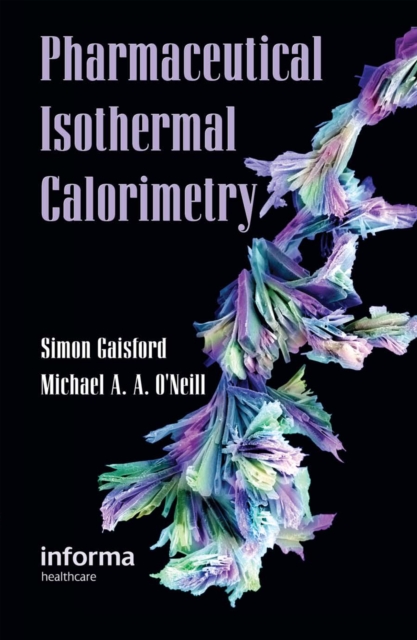
Pharmaceutical Isothermal Calorimetry discusses the application of isothermal calorimetric techniques to challenges encountered during the rational design and development of novel drugs and drug delivery systems.
Edited by a renowned international expert in the field, Nuclear Medicine Physics offers an up-to-date, state-of-the-art account of the physics behind the theoretical foundation and applications of nuclear medicine.
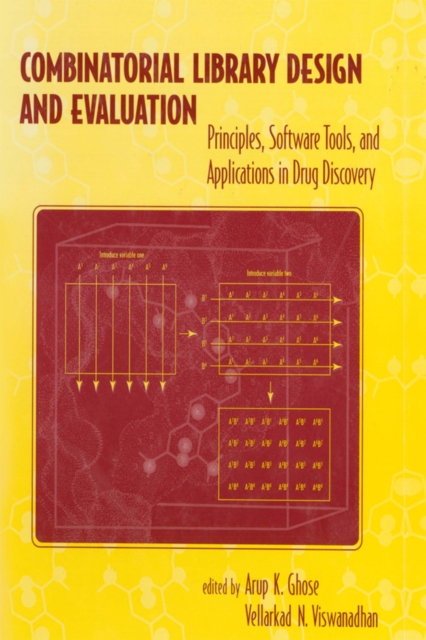
This text traces developments in rational drug discovery and combinatorial library design with contributions from 50 leading scientists in academia and industry who offer coverage of basic principles, design strategies, methodologies, software tools and algorithms, and applications.
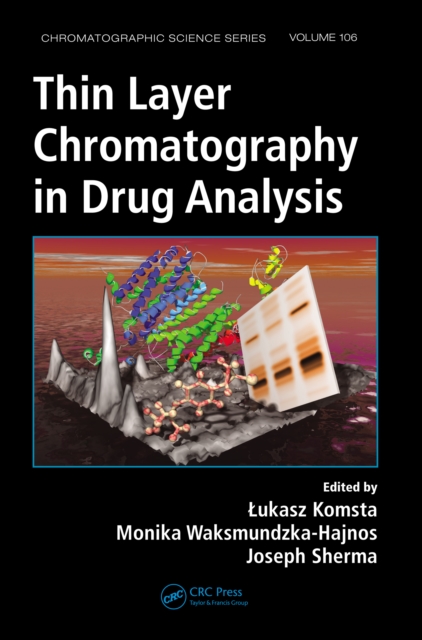
Used routinely in drug control laboratories, forensic laboratories, and as a research tool, thin layer chromatography (TLC) plays an important role in pharmaceutical drug analyses.
In Silico Drug Discovery and Design: Theory, Methods, Challenges, and Applications provides a comprehensive, unified, and in-depth overview of the current methodological strategies in computer-aided drug discovery and design.
As a result of new statistical and mathematical approaches, improved visualization tools, and recognition by international regulatory groups, quantitative structure-activity relationships (QSARs) now play important roles in pharmacology for the design of new drugs as well as in toxicology and ecotoxicology for hazard identification and risk assessm
This title demonstrates how advanced formulation designs and delivery technologies can be used to improve drug efficacy and treatment outcomes in particular therapeutic categories or disease states.
The first edition of Bioactive Compounds from Natural Sources was published in a period of renewed attention to biologically active compounds of natural origin.
Advances in pharmacogenomics and proteomics, along with the introduction of recombinant DNA technology, have expanded the applications of pharmacology to encompass a range of disciplines.
Virtual screening can reduce costs and increase hit rates for lead discovery by eliminating the need for robotics, reagent acquisition or production, and compound storage facilities.
A Single Source on Parallel Synthesis for Lead OptimizationThe end of the previous millennium saw an explosion in the application of parallel synthesis techniques for making compounds for high-throughput screening.
This book comprehensively reviews the diverse potential of microbial enzymes with therapeutic applications, covering their production, purification, and utilization.
The costs associated with a drug's clinical trials are so significant that it has become necessary to validate both its safety and efficacy in animal models prior to the continued study of the drug in humans.
This text is designed to be an undergraduate reference textbook for students of chemistry who aim to select degree modules geared towards medicinal chemistry.
This text is designed to be an undergraduate reference textbook for students of chemistry who aim to select degree modules geared towards medicinal chemistry.
Epigenetics is one of the fastest moving fields in drug discovery, with almost every large pharmaceutical company, and a substantial number of biotechnology companies, targeting epigenetic processes to treat diseases ranging from cancer to Huntington's disease and from inflammation to sickle cell anaemia.
The integration of nanoparticles with classical drugs to create biocompatible delivery platforms for the treatment of cardiovascular diseases can make a major impact on patient welfare.
Quantitative tools are becoming increasingly important in order to understand complex cascade of signal transduction events, pathways or biochemical reactions.
Natural products chemistry-the chemistry of metabolite products of plants, animals and microorganisms-is involved in the investigation of biological phenomena ranging from drug mechanisms to gametophytes and receptors and drug metabolism in the human body to protein and enzyme chemistry.
Quantitative tools are becoming increasingly important in order to understand complex cascade of signal transduction events, pathways or biochemical reactions.