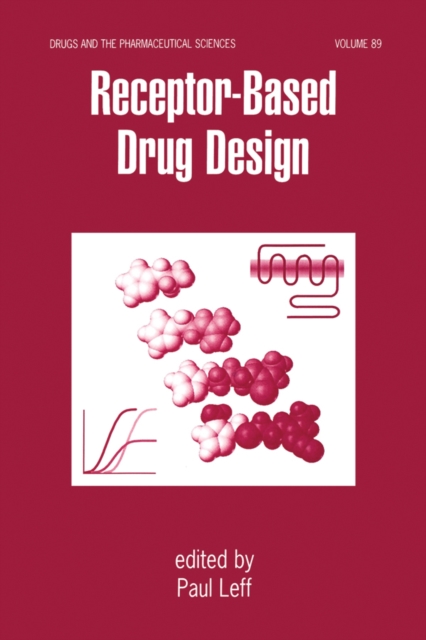
Employing a wide range of examples from G-protein-coupled receptors and ligand-gated ion channels, this detailed, single-source reference illustrates the principles of pharmacological analysis and receptor classification that are the basis of rational drug design.
This fascinating volume delves into the forefront of pharmaceutical research to shed light on the ground-breaking methodologies and technologies driving advancements in drug discovery today.
Although creatine was discovered already in the 1830s, it is only in recent years that its crucial role for human health and general well-being has been increasingly realized and appreciated.
Although the means of diagnosing and treating fungal infections have improved greatly over the last decade fungi still represent a serious threat to the health of immunocompromised and immunodeficient patients.
Calixarenes have been widely exploited in all areas of supramolecular chemistry over the past three decades and many recent developments have concerned their applications in the production of chemical entities with the dimensions of nanometres, as in "e;nanochemistry"e;.
Drug Metabolism: Current Concepts provides a comprehensive understanding of the processes that take place following ingestion of a medicinal agent or xenobiotic, with an emphasis on the crucial role of metabolism (biotransformation).
Molecules of biological interest for in-vivo and in-vitro research or diagnostics of metabolic functions and of neuro-transmission are very often labeled with iodine.
This title was first published in 2001: In the early twentieth century the relevance of chirality to the pharmaceutical industry was established by the fact that one enantiomer of hyoscyamine possessed greater pharmacological activity than the other.
This title was first published in 2001: In the early twentieth century the relevance of chirality to the pharmaceutical industry was established by the fact that one enantiomer of hyoscyamine possessed greater pharmacological activity than the other.
Drug Discovery and Development, Third Edition presents up-to-date scientific information for maximizing the ability of a multidisciplinary research team to discover and bring new drugs to the marketplace.
Drug Discovery and Development, Third Edition presents up-to-date scientific information for maximizing the ability of a multidisciplinary research team to discover and bring new drugs to the marketplace.
Medicinal Chemistry begins with the history of the field, starting from the serendipitous use of plant preparations to current practice of design- and target-based screening methods.
Medicinal Chemistry begins with the history of the field, starting from the serendipitous use of plant preparations to current practice of design- and target-based screening methods.
For a decade and a half, Biopharmaceutics and Clinical Pharmacokinetics has been used in theclassrooms around the world as an introductory textbook on biophannaceutics and phannacokinetics.
For a decade and a half, Biopharmaceutics and Clinical Pharmacokinetics has been used in theclassrooms around the world as an introductory textbook on biophannaceutics and phannacokinetics.
Building upon the extensive compilation of biochemical data featured in Volume I of the Handbook of Eicosanoids, the new Volume II describes the past, present, and potential future impact of eicosanoid research on new drug development.
Building upon the extensive compilation of biochemical data featured in Volume I of the Handbook of Eicosanoids, the new Volume II describes the past, present, and potential future impact of eicosanoid research on new drug development.
Building upon the extensive compilation of biochemical data featured in Volume I of the Handbook of Eicosanoids, the new Volume II describes the past, present, and potential future impact of eicosanoid research on new drug development.
Building upon the extensive compilation of biochemical data featured in Volume I of the Handbook of Eicosanoids, the new Volume II describes the past, present, and potential future impact of eicosanoid research on new drug development.
Building upon the extensive compilation of biochemical data featured in Volume I of the Handbook of Eicosanoids, the new Volume II describes the past, present, and potential future impact of eicosanoid research on new drug development.
Building upon the extensive compilation of biochemical data featured in Volume I of the Handbook of Eicosanoids, the new Volume II describes the past, present, and potential future impact of eicosanoid research on new drug development.
This book reviews advances made in recombinant DNA technology as it relates to the techniques employed, and the production and testing of potentially important products such as human interferon, insulin, and growth hormone.
Molecular Structure and Biological Activity of Steroids focuses on the indentification of steroid structural features that control particular biological effects.
Academia and industry join forces in Aromatic Fluorination, as an expert from each domain contributes to this new text on fluorination of carbocyclic and heterocyclic rings.
This book reviews advances made in recombinant DNA technology as it relates to the techniques employed, and the production and testing of potentially important products such as human interferon, insulin, and growth hormone.
Molecular Structure and Biological Activity of Steroids focuses on the indentification of steroid structural features that control particular biological effects.
Academia and industry join forces in Aromatic Fluorination, as an expert from each domain contributes to this new text on fluorination of carbocyclic and heterocyclic rings.
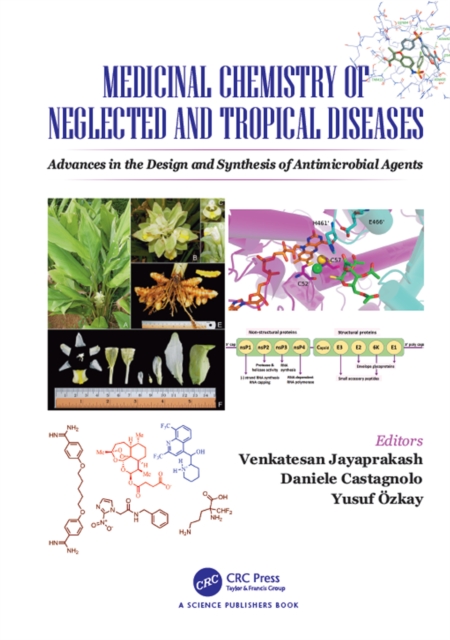
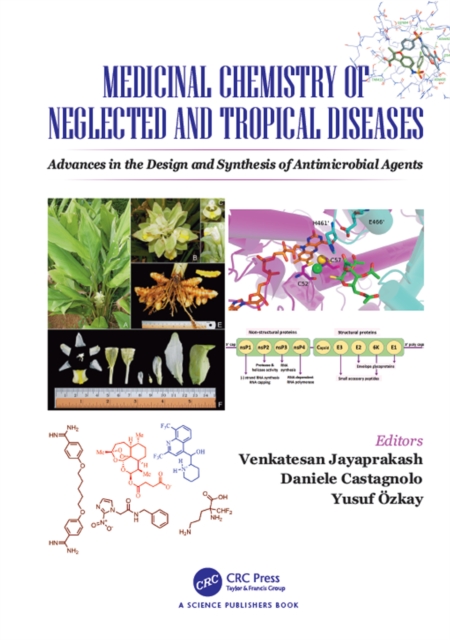
Medicinal Chemistry of Neglected and Tropical Diseases: Advances in the Design and Synthesis of Antimicrobial Agents consolidates and describes modern drug discovery and development approaches currently employed to identify effective chemotherapeutic agents for the treatment of Neglected Tropical Diseases (NTDs) from a medicinal chemistry perspective.
Medicinal Chemistry of Neglected and Tropical Diseases: Advances in the Design and Synthesis of Antimicrobial Agents consolidates and describes modern drug discovery and development approaches currently employed to identify effective chemotherapeutic agents for the treatment of Neglected Tropical Diseases (NTDs) from a medicinal chemistry perspective.
While drug therapies developed in the last 80 years have markedly improved treatment outcomes and the management of some types of cancers, the lack of effectiveness and side effects associated with the most common treatment types remain unacceptable.