Thermodynamic data form the basis for separation processes used in different fields of science and industry, from specialty chemicals to foods and pharmaceuticals.
Impedance Spectroscopy is a powerful measurement method used in many application fields such as electrochemistry, material science, biology and medicine, semiconductor industry and sensors.
An Introduction to High-Pressure Science and Technology provides you with an understanding of the connections between the different areas involved in the multidisciplinary science of high pressure.
Chemists increasingly apply electrochemical methods to the investigation of their systems, in particular towards a better understanding of molecular properties, the exploration of chemical reactions involving electron-transfer (ET), the initiation of further reactions by ET, the kinetic measurements, and the establishment of the reaction mechanisms
Striking a balance between basic chemistry and chemical engineering, this up-to-date reference discusses important aspects of acetic acid and its major derivatives, including chemistry, methods of preparation and manufacture, and synthesis, as well as current and emerging downstream technologies.
Catalytic Naphtha Reforming, Second Edition presents modern, crystal-clear explanations of every aspect of this critical process for generating high-octane reformate products for gasoline blending and production of benzene, toluene, and xylene (BTX) aromatics.
This reference features the latest findings surrounding the physicochemical aspects of surfactant and polymer systems to facilitate the design and understanding of novel and advanced drug delivery formulations.
Pioneered by the pharmaceutical industry and adapted for the purposes of materials science and engineering, the combinatorial method is now widely considered a watershed in the accelerated discovery, development, and optimization of new materials.
The development of parallel synthesis and high-throughput characterization tools offer scientists a time-efficient and cost-effective solution for accelerating traditional synthesis processes and developing the structure-property relationships of multiple materials under variable conditions.
With the development of diverse analytical chemistry techniques, the discovery of rich and numerous properties pertaining to bicontinuous liquid crystal structures has yielded beneficial applications in medicine, consumer products, materials science, and biotechnology.
As the car anticipates its dance around the racetrack, the engine growls and pops, and all senses become immersed in the smell of exhaust vapors and the sounds of raw speed and excitement.
Addressing critical aspects of computational modeling in photochemistry, Molecular Methods in Photochemistry is designed to familiarize researchers and practitioners with state-of-the-art computational methods to predict the reactivity of excited molecules.
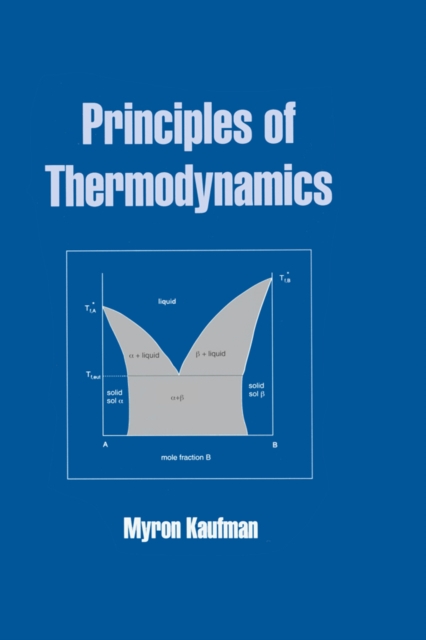
Ideal for one- or two-semester courses that assume elementary knowledge of calculus, This text presents the fundamental concepts of thermodynamics and applies these to problems dealing with properties of materials, phase transformations, chemical reactions, solutions and surfaces.
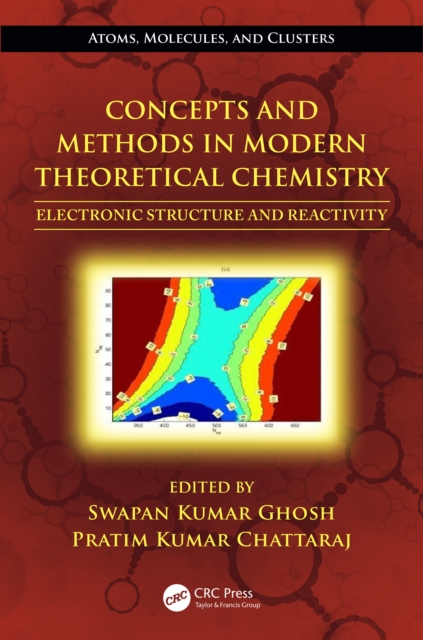
Concepts and Methods in Modern Theoretical Chemistry: Electronic Structure and Reactivity, the first book in a two-volume set, focuses on the structure and reactivity of systems and phenomena.
Photodynamic therapy (PDT) is a ground breaking medical technique which uses lasers to activate light-sensitive chemicals to treat cancer and other diseases without resorting to surgery.
Over the past four decades, notable advancements in the theory and application of ion exchange science uncovered a wealth of knowledge that fueled new scientific pursuits and created synergies with myriad scientific endeavors.
Fuel Cells: Principles, Design, and Analysis considers the latest advances in fuel cell system development and deployment, and was written with engineering and science students in mind.
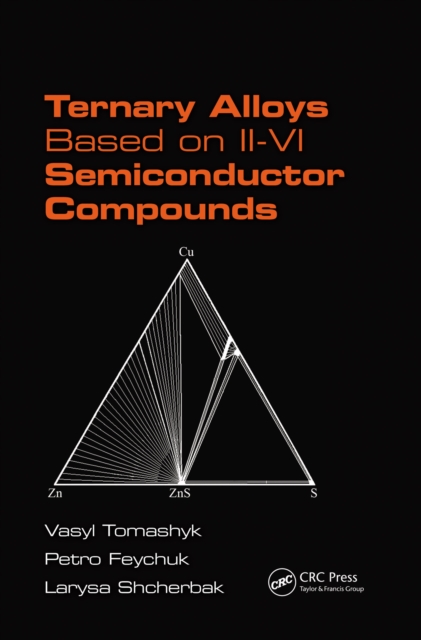
Doped by isovalent or heterovalent foreign impurities (F), II-VI semiconductor compounds enable control of optical and electronic properties, making them ideal in detectors, solar cells, and other precise device applications.
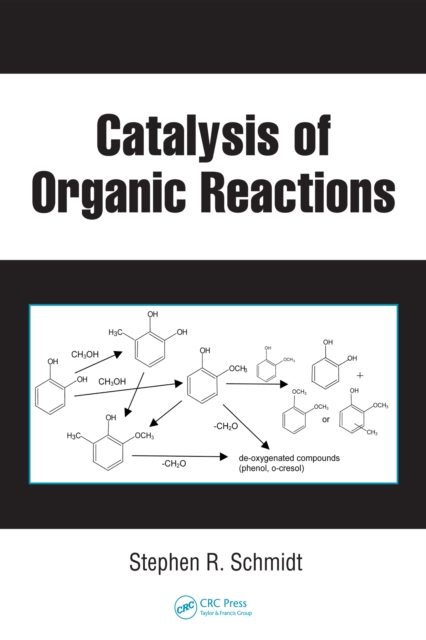
Bringing together academic, industrial, and governmental researchers and developers, Catalysis of Organic Reactions comprises 57 peer-reviewed papers on the latest scientific developments in applied catalysis for organic reactions.
Experiments in Nuclear Science is an introductory-level laboratory manual providing hands-on opportunities for developing insights into the origins and properties of nuclear radiations, their interactions with matter, their detection and measurement, and their applications in the physical and life sciences.
A complete restructuring and updating of the classic 1982 Handbook of Chemical Property Estimation Methods (commonly known as "e;Lyman's Handbook"e;), the Handbook of Property Estimation Methods for Chemicals: Environmental and Health Sciences reviews and recommends practical methods for estimating environmentally important properties of organic chemic
This volume details the theories, mechanisms, technologies and trends for solving qualitative and quantitative problems in diverse areas of analytical research - emphasizing physicochemical principles.
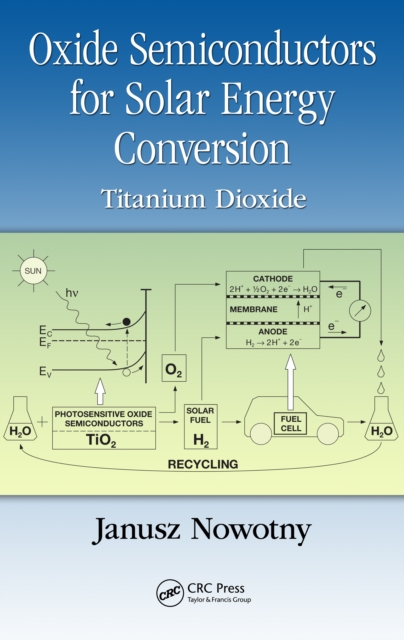
Oxide semiconductors, including titanium dioxide (TiO2), are increasingly being considered as replacements for silicon in the development of the next generation of solar cells.
Advances in Detailed Reaction Mechanisms, Volume 4: Synthetically Useful Reactions focuses on synthetically useful reactions, including transition-metal-mediated cycloadditions, the use of organoselenium, organozinc, and metal-arene complexes.
New synthetic techniques allow chemists to modify polymer microstructures more precisely than ever, making it possible to design materials that meet increasingly demanding performance requirements.
Touted as the new darling of the chemical industry, alkyl polyglycosides are gaining in popularity due to the fact that they are readily biodegradable, low-toxic, and made from renewable resources.
Chemistry can be a daunting subject for the uninitiated, and all too often, introductory textbooks do little to make students feel at ease with the complex subject matter.
Physical Chemistry for Engineering and Applied Sciences is the product of over 30 years of teaching first-year Physical Chemistry as part of the Faculty of Applied Science and Engineering at the University of Toronto.
Providing new insights into the molecular and electronic processes involved in the conversion of sunlight into chemical products, Photoelectrochemical Solar Conversion Systems: Molecular and Electronic Aspects begins with an historical overview and a survey of recent developments in the electrochemistry of semiconductors and spectroscopic technique
Natural fibers' abundance, excellent properties, biodegradability, and low cost make this renewable resource a green alternative to synthetic fibers for composite material reinforcement.
From the development of polymers that make cars lighter to fuels that make them run cleaner, the chemist's role in the automotive industry has evolved to be one that is more outside the laboratory than in it.