Now in its second edition, Nuclear Forensic Analysis provides a multidisciplinary reference for forensic scientists, analytical and nuclear chemists, and nuclear physicists in one convenient source.
Fields, Forces, and Flows in Biological Systems describes the fundamental driving forces for mass transport, electric current, and fluid flow as they apply to the biology and biophysics of molecules, cells, tissues, and organs.
This text traces developments in rational drug discovery and combinatorial library design with contributions from 50 leading scientists in academia and industry who offer coverage of basic principles, design strategies, methodologies, software tools and algorithms, and applications.
Written by a chemical physicist specializing in macromolecular physics, this book brings to life the definitive work of celebrated scientists who combined multidisciplinary perspectives to pioneer the field of polymer science.
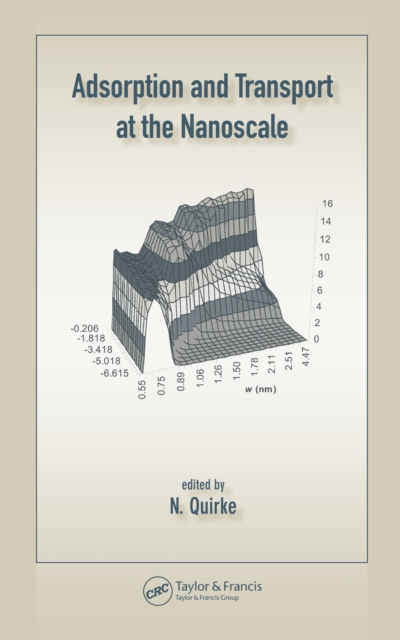
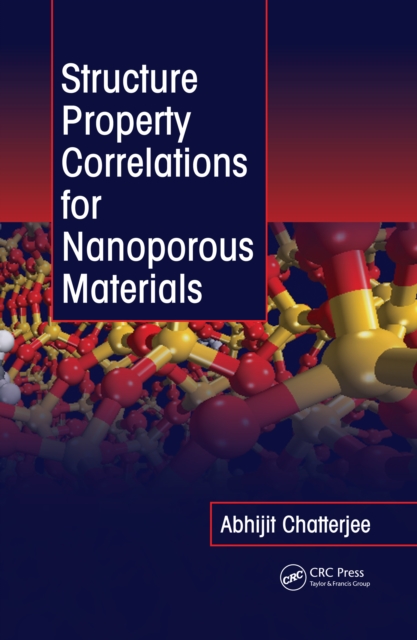
Nanoporous materials are used widely in industry as adsorbents, particularly for applications where selective adsorption of one fluid component from a mixture is important.
Fundamental QSARs for Metal Ions describes the basic and essential applications of quantitative structure-activity relationships (QSARs) for regulatory or industrial scientists who need to predict metal ion bioactivity.
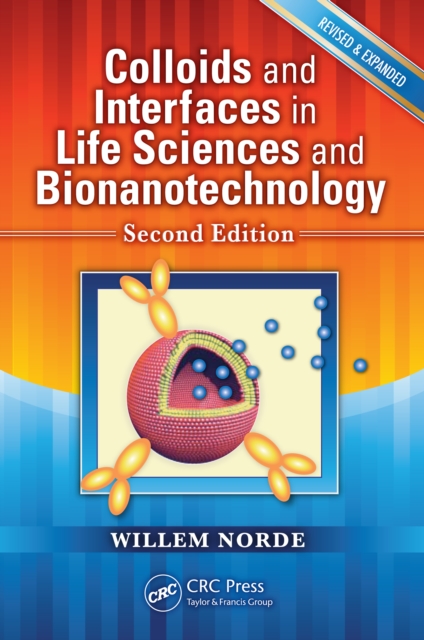
With principles that are shaping today's most advanced technologies, from nanomedicine to electronic nanorobots, colloid and interface science has become a truly interdisciplinary field, integrating chemistry, physics, and biology.
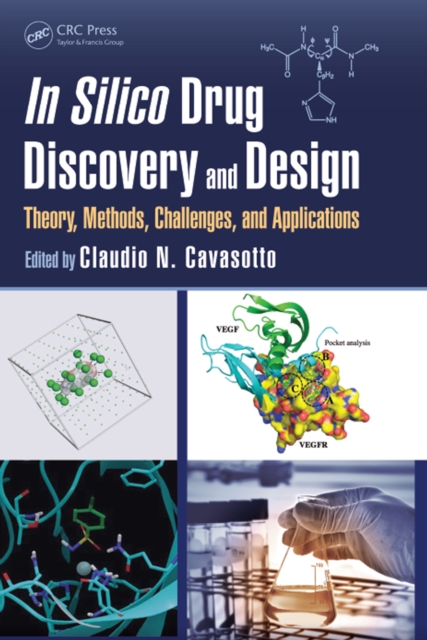
In Silico Drug Discovery and Design: Theory, Methods, Challenges, and Applications provides a comprehensive, unified, and in-depth overview of the current methodological strategies in computer-aided drug discovery and design.
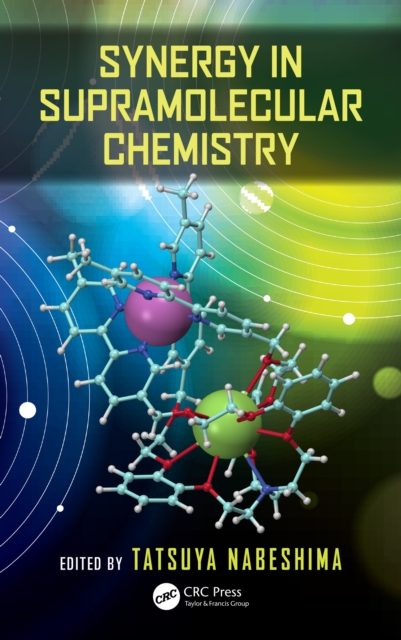
Cooperative and synergistic chemical events have attracted significant attention from many researchers engaged in organic chemistry, inorganic chemistry, biological chemistry, polymer chemistry, medicinal chemistry, and other related materials sciences.
Macromolecules in the body form noncovalent associations, such as DNA-protein or protein-protein complexes, that control and regulate numerous cellular functions.
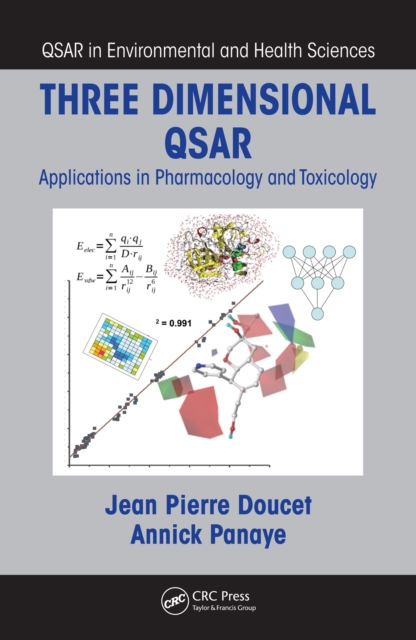
As a result of new statistical and mathematical approaches, improved visualization tools, and recognition by international regulatory groups, quantitative structure-activity relationships (QSARs) now play important roles in pharmacology for the design of new drugs as well as in toxicology and ecotoxicology for hazard identification and risk assessm
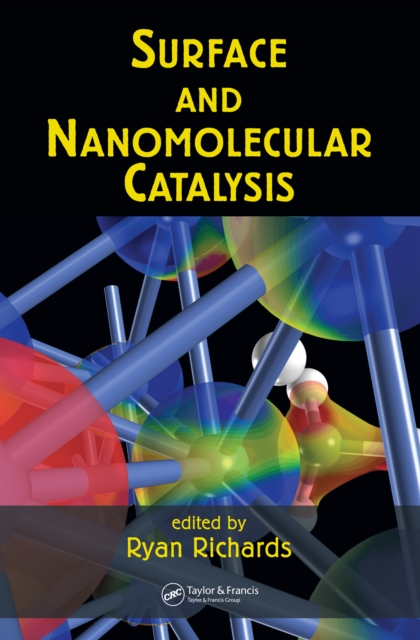
Using new instrumentation and experimental techniques that allow scientists to observe chemical reactions and molecular properties at the nanoscale, the authors of Surface and Nanomolecular Catalysis reveal new insights into the surface chemistry of catalysts and the reaction mechanisms that actually occur at a molecular level during catalys
Nanoporous materials are critical to various fields of research, including ion exchange, separation, catalysis, sensor applications, biological molecular isolation, and purification.
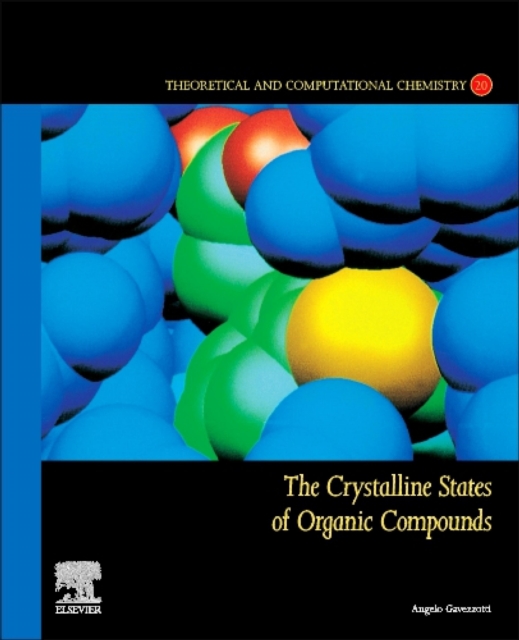
The Crystalline States of Organic Compounds is a broad survey of the techniques by which molecular crystals are investigated, modeled, and applied, starting with the fundamentals of intra- and intermolecular bonding supplemented by a concise tutorial on present-day diffraction methods, then proceeding to an examination of crystallographic databases with their statistics and of such fundamental and fast-growing topics as intermolecular potentials, polymorphism, co-crystallization, and crystal structure prediction by computer.
Electrocatalysis applications are employed in a large number of industries worldwide, ranging from old technologies such as galvanoplasty to the most up-to-date deployments involving ultracapacitators.
Doped by isovalent or heterovalent foreign impurities, II-VI semiconductor compounds enable control of optical and electronic properties, making them ideal in detectors, solar cells, and other precise device applications.
The Chemistry and Physics of Carbon series presents advances in carbon research and development and comprehensive reviews on the state of the science in all these areas.
Covering theoretical methods and computational techniques in biomolecular research, this book focuses on approaches for the treatment of macromolecules, including proteins, nucleic acids, and bilayer membranes.
For more than three decades the Electroanalytical Chemistry Series has delivered the most in-depth and critical research related to issues in electrochemistry.
Photon-in-photon-out core level spectroscopy is an emerging approach to characterize the electronic structure of catalysts and enzymes, and it is either installed or planned for intense synchrotron beam lines and X-ray free electron lasers.
Surface tension provides a thermodynamic avenue for analyzing systems in equilibrium and formulating phenomenological explanations for the behavior of constituent molecules in the surface region.
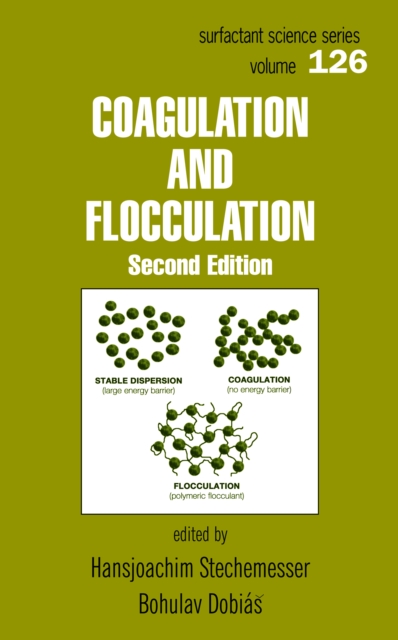
First published in 1993, Coagulation and Flocculation is a practical reference for the researchers in the field of the stabilization and destabilization of fine solid dispersions.
Providing in-depth coverage of the technologies and various approaches, Luminous Chemical Vapor Deposition and Interface Engineering showcases the development and utilization of LCVD procedures in industrial scale applications.
The theoretical methods of quantum chemistry have matured to the point that accurate predictions can be made and experiments can be understood for a wide range of important gas-phase phenomena.
This title demonstrates how advanced formulation designs and delivery technologies can be used to improve drug efficacy and treatment outcomes in particular therapeutic categories or disease states.
Since the publication of the second edition of this handbook in 1993, the field of photochemical sciences has continued to expand across several disciplines including organic, inorganic, physical, analytical, and biological chemistries, and, most recently, nanosciences.
The Most Detailed Resource Available on Points of Zero ChargeWith their work growing in complexity, chemists involved with surface phenomena-related projects have outgrown the common resources available to them on points of zero charge (PZC) of oxides.
An In-Depth View of Hardware Issues, Programming Practices, and Implementation of Key MethodsExploring the challenges of parallel programming from the perspective of quantum chemists, Parallel Computing in Quantum Chemistry thoroughly covers topics relevant to designing and implementing parallel quantum chemistry programs.
This book describes the most important experimental methods for characterizing liquid interfaces, such as drop profile analysis, bubble pressure and drop volume tensiometry, capillary pressure technique, and oscillating drops and bubbles.
Illustrating developments in electrochemical nanotechnology, heterogeneous catalysis, surface science and theoretical modelling, this reference describes the manipulation, characterization, control, and application of nanoparticles for enhanced catalytic activity and selectivity.
Written in a versatile, contemporary style that will benefit both novice and expert alike, Biological and Biomedical Coatings Handbook, Two-Volume Set covers the state of the art in the development and implementation of advanced thin films and coatings in the biological field.