Este libro constituye el tercer volumen de la serie "Matemáticas para Ingeniería", que se centra en el cálculo diferencial e integral de funciones de varias variables, además del cálculo vectorial.
En este libro titulado "Matemáticas para Ingeniería II: Cálculo diferencial e integral", los autores entregan a sus lectores en 3 capítulos los conocimientos de cálculo diferencial y cálculo integral, los cuales son parte del eje de formación de ciencias de todos los planes de estudio de las carreras del área de ingeniería.
Las ecuaciones diferenciales nos permiten comprender la dinamica del mundo que nos rodea en nuestra vida cotidiana: desde el movimiento de los planetas en el espacio hasta el flujo de liquidos.
Este libro esta disenado para ser una brujula que guie a estudiantes de licenciatura y posgrado a traves del extenso y a veces intimidante terreno de la estadistica aplicada.
La relevancia que ha tomado la estadistica bayesiana en distintas areas lleva a escribir este texto, cuyo objetivo es contribuir en el crecimiento de los metodos bayesianos en America Latina e incentivar a los estudiantes a aplicar dichas herramientas en sus investigaciones.
Estas notas de clase están dirigidas a estudiantes de ingeniería de tercer o cuarto semestre de carrera que hayan alcanzado los elementos básicos del cálculo avanzado, teniendo como herramienta importante en álgebra lineal y representa el esfuerzo de los autores para que los estudiantes tengan un material del trabajo realizado en la clase, sin tener que escribir todo lo que el docente explica o escribe.
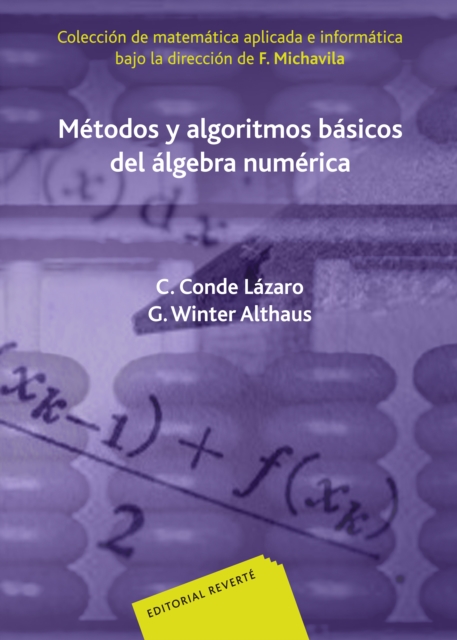
En este texto, se encuentran combinados, con rigor y sencillez excepcionales, los fundamentos de los metodos propios del Algebra Lineal para la resolucion de sistemas de ecuaciones (lineales y no lineales), los calculos de valores y vectores propios, con las tecnicas numericas mas adecuadas.
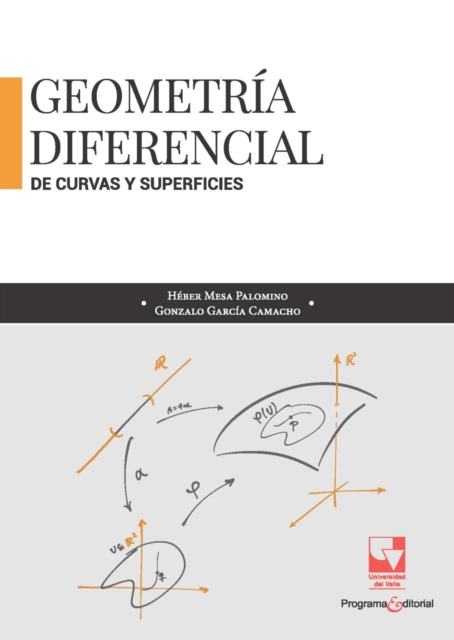
Geometría diferencial de curvas y superficies es un texto dirigido a estudiantes de educación superior, que estén empezando su ciclo de profesionalización en programas académicos de ciencias e ingenierías, y que tengan conocimientos previos de cálculo en varias variables y álgebra lineal; y se enfoca más en aspectos geométricos que en aspectos de análisis o de topología, con el objetivo de desarrollar en el estudiante su intuición geométrica.
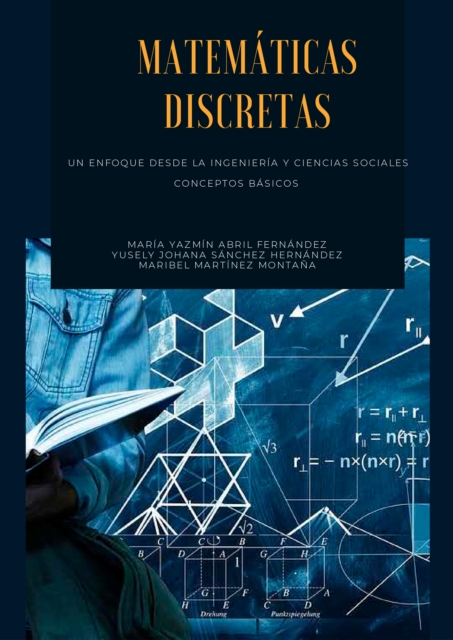
El propósito de Matemáticas discretas con un enfoque desde la ingeniería y ciencias sociales – conceptos básicos (administración), orienta los contenidos a la aplicación y análisis de datos, estudio de diagramas de Venn, operaciones con conjuntos, álgebra de conjuntos, relaciones, presentación gráfica de las relaciones, técnicas de conteo, permutaciones, combinaciones, recurrencia y probabilidad.
Esta investigación sobre el profesor de matemáticas y su acción en clase, responde a un esfuerzo conjunto entre grupos de investigación de Colombia, España, Ecuador y Panamá.
Las leyes de conservación son generalmente usadas en modelos que involucran principios de conservación (leyes físicas), tales como conservación de masa, momento lineal y de energía.
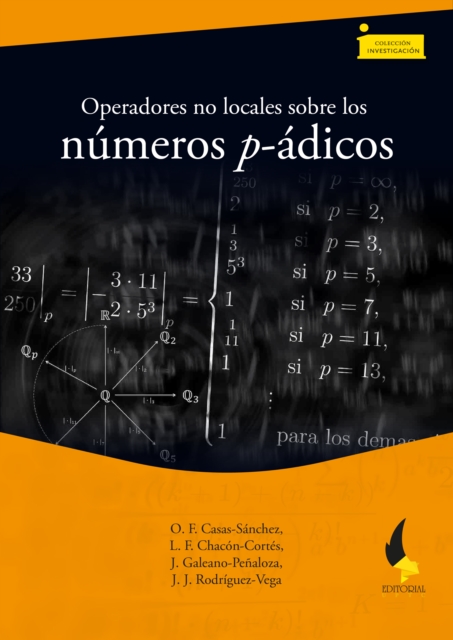
Libro dirigido a estudiantes de últimos semestres de la carrera de matemáticas, estudiantes de maestría o doctorado, que quieran iniciar su investigación en el campo de los números p-ádicos o el análisis no-Arquimediano.
La formación de cualquier persona interesada en la enseñanza o el estudio de las matemáticas no estaría completa sin un curso introductorio de teoría de números.
Hoy en día, pocos alumnos alcanzan a tener el grado de destreza necesario para desarrollar problemas algebraicos, y los docentes no encuentran el modo de lograr que esas destrezas sean adquiridas en clase.
Históricamente, los seres humanos han observado y buscado diferentes formas de representar y solucionar los problemas que se han suscitado en su entorno natural y social.
Presents detailed guidance on Monte Carlo integration methods for complex applications Monte Carlo integration has become an indispensable computational tool across science, engineering, mathematics, and economics, offering effective solutions where traditional numerical integration methods fall short.
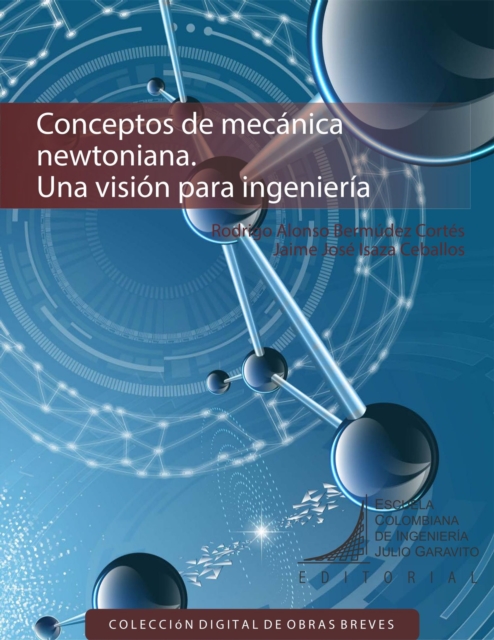
Esta obra le permite al estudiante aprender los conceptos básicos de la física con un mínimo de conocimiento del cálculo diferencial, así como comprender, afianzar y aplicar los conceptos de física mecánica que se requieren en las asignaturas de ciencias propias de la ingeniería.
Esta cartilla recopila los conceptos basicos y necesarios para abordar los primeros cursos de matematicas a nivel superior, a saber: las operaciones con numeros reales y sus respectivas propiedades,en particular, se dedica un capitulo exclusivo a la potenciacion, radicacion y logaritmacion, las cuales se presentan en forma comparativa, de este modo el lector puede visualizar como se relacionan y diferencian entre ellas.
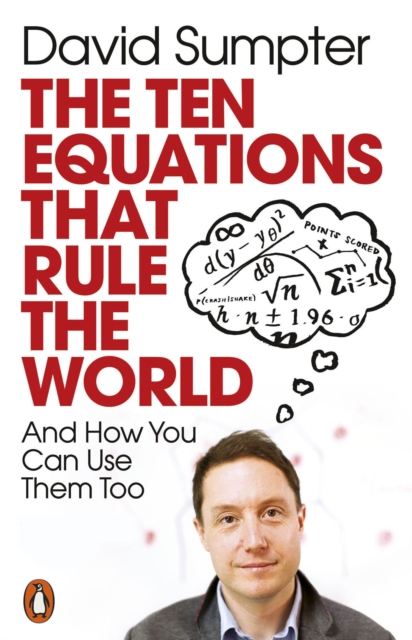
THE INTERNATIONAL BESTSELLER'An entertaining tour that will change how you see the world' Sean Carroll, author of Something Deeply HiddenIs there a secret formula for improving your life?
+++Unterrichtsmaterial fur Lehrer und Lehrerinnen an weiterfuhrenden Schulen, Fach: Mathe, Klasse 5-7 +++Mit "e;Back to Basics"e; wiederholen und festigen Ihre Schuler und Schulerinnen die grundlegenden Kompetenzen aus der Grundschule, die als Basis fur die Sekundarstufe unerlasslich sind.
Ratgeber fur Lehrer an Grundschulen, Forderschulen und weiterfuhrenden Schulen, Klasse 1-10 +++ Sie suchen einen Ratgeber gegen die Lautstarke in Ihrem Klassenraum, wollen aber keine schwer verdauliche Pflichtlekture in die Hand nehmen?
The eBook series Learning about mathematics aims to create for the readers a unificatory image of the complex nature of mathematics, as well as a conceptual perspective ultimately necessary to the holistic understanding of school mathematics.
This book is a must have for all competitive exams where 10+2 level mathematics questions are asked for example, GMAT, GRE, SAT, ACT, EA, Olympiad, Putnam, ISI, CMI, KVPY, RMO, INMO, CAT, XLRI, IIT JEE, WBJEE etc.
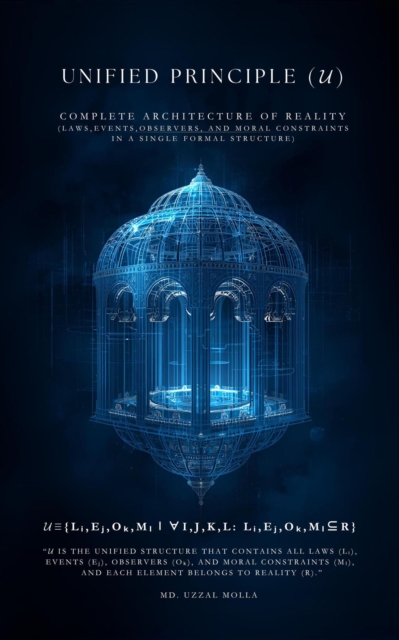
Unified Principle (𝓤): Complete Architecture of RealityThis thesis proposes an integrated and mathematically rigorous framework for understanding reality, in which laws, events, observers, and moral constraints are unified within a single coherent structure, denoted by 𝓤.
What if everything you use today — your phone, your building, your medicine, your legal system — traces back to a single thousand-year window in human history?
An in-depth and up-to-date discussion of pricing strategy that incorporates the latest developments in generative AI In The Pricing Playbook: A Practical Guide to Revenue Growth Management in the Age of AI, author Ingo Reinhardt delivers a uniquely insightful discussion of the theoretical underpinnings of pricing.
An in-depth and up-to-date discussion of pricing strategy that incorporates the latest developments in generative AI In The Pricing Playbook: A Practical Guide to Revenue Growth Management in the Age of AI, author Ingo Reinhardt delivers a uniquely insightful discussion of the theoretical underpinnings of pricing.
The definitive resource for ensuring diagnostic tests meet the highest standards of statistical rigor and clinical effectiveness Statistical Methods in Diagnostic Medicine, 3rd Edition by Xiao-Hua Zhou, Jiarui Sun, Gene A.
Presents detailed guidance on Monte Carlo integration methods for complex applications Monte Carlo integration has become an indispensable computational tool across science, engineering, mathematics, and economics, offering effective solutions where traditional numerical integration methods fall short.