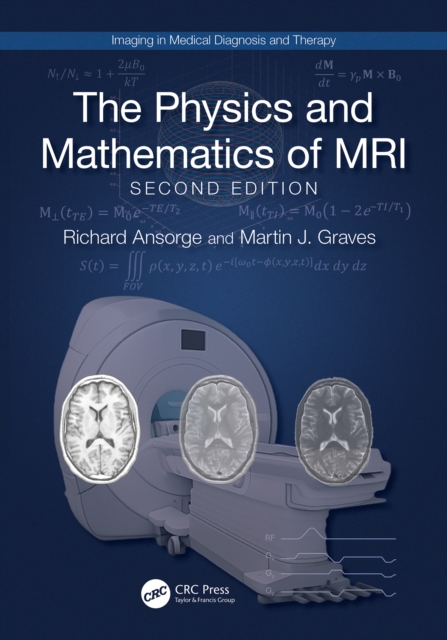
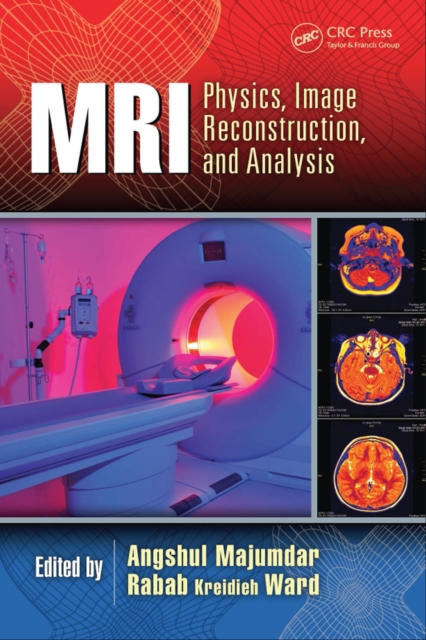
Magnetic resonance imaging (MRI) remains one of the most versatile and powerful diagnostic tools in modern medicine, yet its underlying physics and mathematics form a subtle and elegant synthesis of quantum mechanics, engineering principles and signal processing.
Magnetic Resonance Procedures: Health Effects and Safety is the first authoritative text on MR procedures and its associated health and safety concerns written by noted radiologists, physicists, and scientists with expertise in the field.
Magnetic resonance imaging (MRI) remains one of the most versatile and powerful diagnostic tools in modern medicine, yet its underlying physics and mathematics form a subtle and elegant synthesis of quantum mechanics, engineering principles and signal processing.
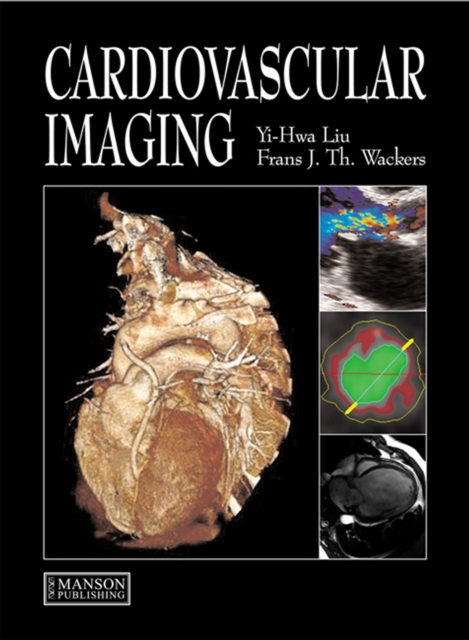
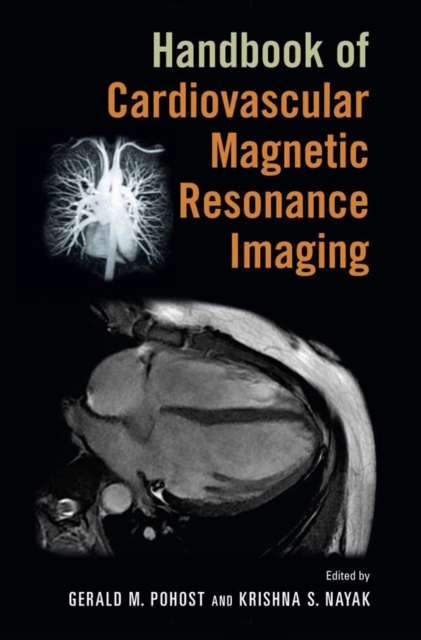
A host of imaging techniques are available to clinical cardiologists, including nuclear imaging, echocardiography, computerized tomography, and magnetic-resonance imaging.
MRI-Guided Focused Ultrasound Surgery will be the first publication on this new technology, and will present a variety of current and future clinical applications in tumor ablation treatment.
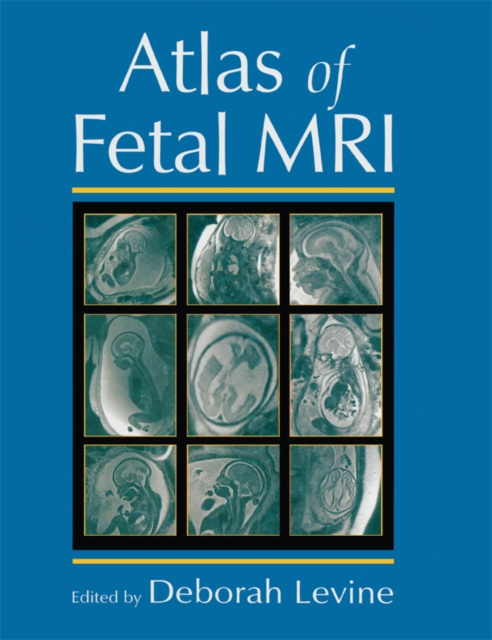
The only text to provide in-depth illustrations of the normal and abnormal fetal anatomy on MR imaging, this guide includes chapters highlighting the state-of-the-science in the imaging of the fetal skull, face, neck, nervous system, chest, abdomen, and musculoskeletal system.
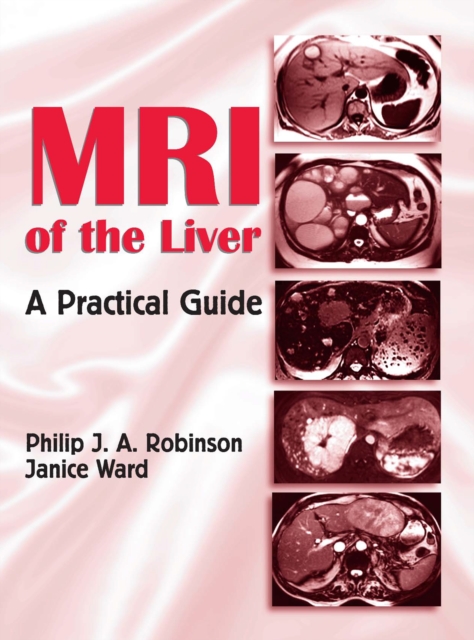
With 2300 radiological images dispersed throughout the text, this source provides an expansive armamentarium of case studies and examples showcasing both common and uncommon liver pathologies.
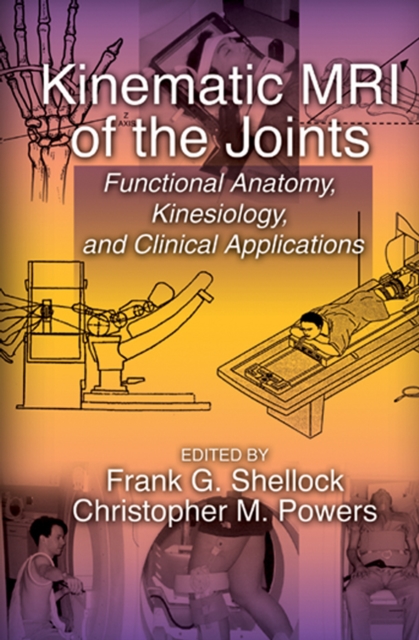
Kinematic MRI refers to imaging a joint through a range of motion to examine the interactions between the soft tissue and osseous anatomy that comprise the joint.
AI in MRI-based Brain Disease Prediction presents a comprehensive exploration of artificial intelligence technologies in the analysis of magnetic resonance imaging (MRI) for brain disease prediction.
AI in MRI-based Brain Disease Prediction presents a comprehensive exploration of artificial intelligence technologies in the analysis of magnetic resonance imaging (MRI) for brain disease prediction.
The Handbook of Radiotherapy Planning covers essential concepts and practical considerations for achieving high-quality external beam radiotherapy plans.
The Handbook of Radiotherapy Planning covers essential concepts and practical considerations for achieving high-quality external beam radiotherapy plans.
Providing the first comprehensive book on the current state of hyperpolarized Xenon-129 NMR and MRI, this book is guaranteed to appeal to a wide range of scientists interested in this growing field.
Cardiovascular Magnetic Resonance (CMR) is well established in clinical practice for the diagnosis and management of a wide array of cardiovascular diseases.
The field of magnetic resonance imaging (MRI) has developed rapidly over the past decade, benefiting greatly from the newly developed framework of compressed sensing and its ability to drastically reduce MRI scan times.
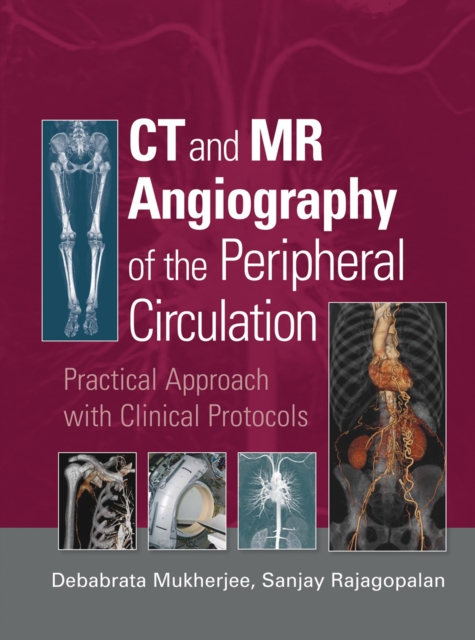
This text discusses the basic aspects of multislice CT angiography with chapters on technical principles, basic scan technique for peripheral vascular imaging with multislice CT, image reconstruction with multislice CT, radiation doses, and contrast agent administration.
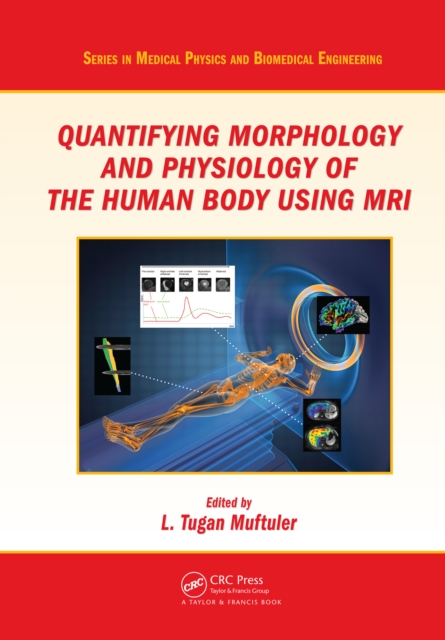
In the medical imaging field, clinicians and researchers are increasingly moving from the qualitative assessment of printed images to the quantitative evaluation of digital images since the quantitative techniques often improve diagnostic accuracy and complement clinical assessments by providing objective criteria.
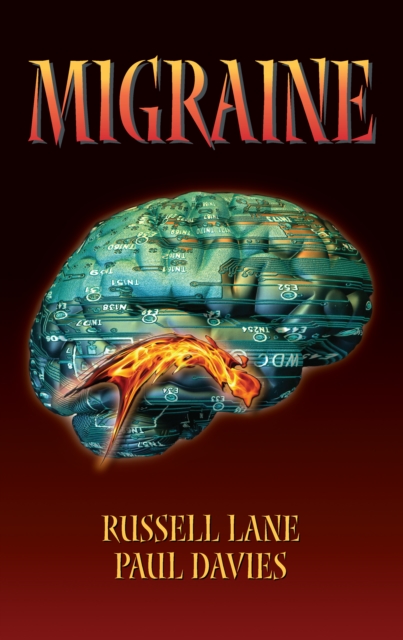
Supported by an extensive review of migraine pathogenesis and more than 200 case histories gleaned from the authors' personal experiences, this guide proposes two radical new concepts: all primary headaches are fundamentally a form of migraine and everyone may experience some manifestation of the migraine process in their life.
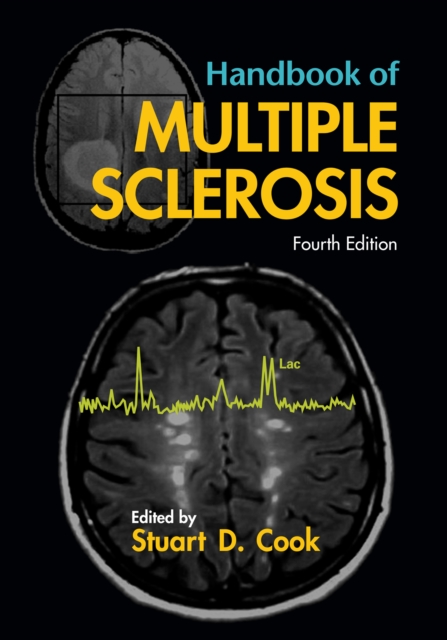
Filled with an abundance of reader-friendly and quick-reference tables and figures, this Fourth Edition spans the etiology, epidemiology, clinical features, diagnosis, pathology, and treatment of multiple sclerosis (MS).
This highly illustrated book provides practical and pragmatic guidance in breast MRI for all professionals involved in breast imaging or the care of patients with breast diseases.
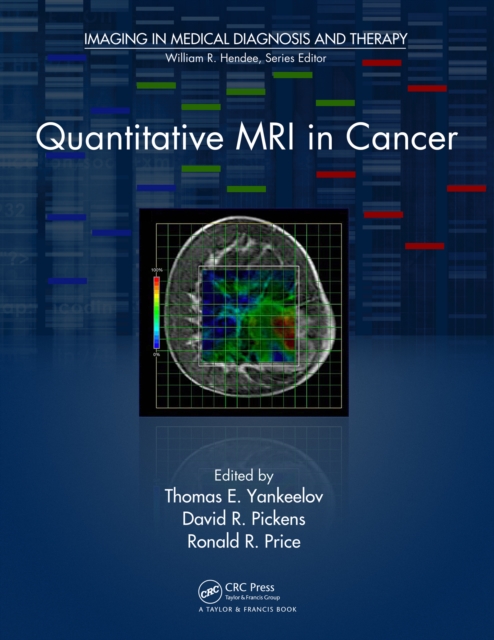
Propelling quantitative MRI techniques from bench to bedside, Quantitative MRI in Cancer presents a range of quantitative MRI methods for assessing tumor biology.
This reference documents state-of-the-art trends and advancements in the utilization imaging modalities for the analysis of bones and their surrounding soft tissues, including muscles, tendons, ligaments, nerves, and blood vessels.
With every chapter revised and updated, Physics for Diagnostic Radiology, Third Edition continues to emphasise the importance of physics education as a critical component of radiology training.
Although classical electromagnetic (EM) field theory is typically embedded in vector calculus and differential equations, many of the basic concepts and characteristics can be understood with precursory mathematical knowledge.
Fundamentals of MRI: An Interactive Learning Approach explores the physical principles that underpin the technique of magnetic resonance imaging (MRI).
Since the development of the first clinical MRI contrast agent, Gd(DTPA) (or Magnevist(R)) in the early 1980s, another three linear and three macrocyclic (eg.
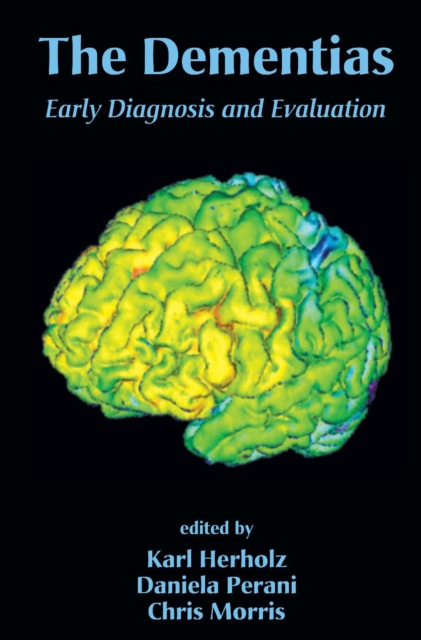
The only guide to focus primarily on current molecular methods of diagnosis and early stage evaluation, this reference presents the latest techniques and technologies for dementia identification and evaluation, including neuropathological strategies, neuropsychological tests, biomarkers, CT, MRI, functional MRI, PET, and SPECT.
This book presents the latest developments in deep learning-enabled healthcare tools and technologies and offers practical ideas for using the IoT with deep learning (motion-based object data) to deal with human dynamics and challenges including critical application domains, technologies, medical imaging, drug discovery, insurance fraud detection and solutions to handle relevant challenges.
This book presents the latest developments in deep learning-enabled healthcare tools and technologies and offers practical ideas for using the IoT with deep learning (motion-based object data) to deal with human dynamics and challenges including critical application domains, technologies, medical imaging, drug discovery, insurance fraud detection and solutions to handle relevant challenges.
A book for men and women from middle age to advanced years who have suddenly and unexpectedly become confronted with the huge effects that the male prostate can have on the body.
The fourth edition of The Physics of Clinical MR Taught Through ImagesThe Physics of Clinical MR Taught Through Images Fourth Edition by Val Runge, Wolfgang Nitz, and Johannes Heverhagen presents a unique and highly practical approach to understanding the physics of magnetic resonance imaging.
The key for any beginning radiologist who wishes to recognize pathological findings is to first acquire an ability to distinguish them from normal ones.
Second edition of a well-known, concise how-to manual of standardized protocols for all routine MRI applicationsPacked with information on the practical aspects of MRI, this user-friendly text covers everything from advice on optimal positioning of patients to recommendations for setting the appropriate scanning parameters.
A comprehensive reference for current applications of MR imagingThis book is a comprehensive guide to the basic principles and clinical applications of MR imaging for all regions of the body.
A straightforward and practical guide to abdominopelvic MR ImagingPresented by a team of experts in the specialty, this book provides a comprehensive overview of MRI of the abdomen and pelvis in adult and pediatric patients.
This book covers various facets of nanomaterials and their applications including low-dimensional materials along with discussions on in vitro cell imaging, bioanalyses, UV laser applications of scheelite-type nanomaterials, and nanosized cyanobridged metal-organic frameworks, including high spin transition metal ions.