Since publication of the First Edition, advances in the diagnosis and prevention and treatment strategies of the vulnerable plaque have necessitated this greatly expanded second edition.
Exploring novel methods in endovascular intervention, this reference provides detailed coverage of techniques to avoid, manage, and control complications in endovascular therapy with chapters by world-renowned pioneers and specialists practiced in the prevention and control of vascular and device complications.
The Radiological Sciences Dictionary is a rapid reference guide for all hospital staff employed in diagnostic imaging, providing definitions of over 3000 keywords as applied to the technology of diagnostic radiology.
The first atlas devoted specifically to cardiometabolic risk, this book will provide a concise visual primer on the pathophysiology, epidemiology, diagnosis, treatment, and clinical and radiologic features of this disorder.
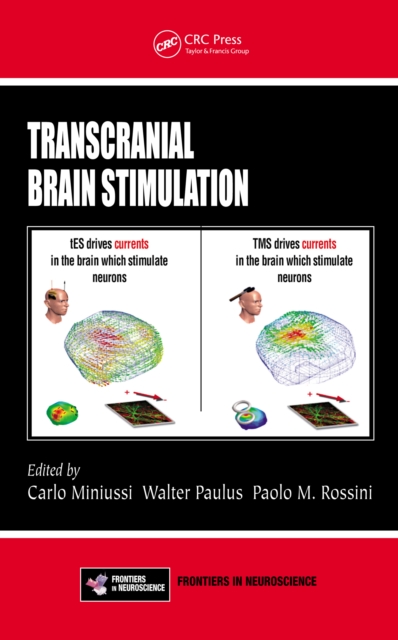
Since the discovery of transcranial magnetic stimulation (TMS) and transcranial electrical stimulation (tES), these non-invasive brain stimulation (NIBS) techniques have been used to investigate the state of cortical excitability, and the excitability of the cortico-cortical and corticospinal pathways.
Detecting Signals at the Single Molecule Level: Pioneering Achievements in MicroscopyRecent advances have led to such remarkable improvements in fluorescence lifetime imaging microscopy's (FLIM) capacity for contrast and sensitivity that researchers can now employ it to detect signals at the single molecule level.
CI Techniques & Algorithms for a Variety of Medical Imaging SituationsDocuments recent advances and stimulates further researchA compilation of the latest trends in the field, Computational Intelligence in Medical Imaging: Techniques and Applications explores how intelligent computing can bring enormous benefit to existing technology in medical
This first reference to comprehensively address both the medical and surgical management of diseases affecting the colon, this source spans the wide array of colorectal disorders including rectal prolapse, irritable bowel syndrome, benign and malignant colonic tumors, fissures and ulcers, and Crohn's colitis, among other ailments.
This reference serves as the most current and comprehensive source on the many aspects of sarcoidosis ranging from the basic science and pathophysiology of the disease to patient evaluation and treatment-providing a detailed analysis of the pulmonary aspects of the condition including chapters on radiographic manifestations, bronchoalveolar lavage
This highly illustrated book provides practical and pragmatic guidance in breast MRI for all professionals involved in breast imaging or the care of patients with breast diseases.
Propelling quantitative MRI techniques from bench to bedside, Quantitative MRI in Cancer presents a range of quantitative MRI methods for assessing tumor biology.
This book contains invited lecturers and full papers presented at VIPIMAGE 2011 - III ECCOMAS Thematic Conference on Computational Vision and Medical Image Processing (Olh Algarve, Portugal, 12-14 October 2011).
To improve efficiency and reduce administrative costs, healthcare providers, insurance companies, and governments are increasingly using integrated electronic health record (EHR) and picture archiving and communication systems (PACS) to manage patients' medical information.
This comprehensive reference discusses the use of ultrasound, computed tomography (CT), magnetic resonance imaging (MRI), and radioisotopes in the imaging of the adult and pediatric urinary tract.
The only book available on transesophageal echocardiography of the mitral valve, this impressive and highly illustrated text provides a concise yet in-depth analysis of the mitral valve from an experience of over 10,000 transesophageal echocardiograms performed by the authors.
"e;Biomedical Imaging: Principles and Advancements"e; offers a captivating exploration of the intricate landscapes within the human body, revealing the transformative power of biomedical imaging.
Completely up to date with the latest exam changes, Get Through First FRCR: Questions for the Anatomy Module offers a valuable insight into the new anatomy exam.
This book focuses on an eminent technology called next generation sequencing (NGS) which has entirely changed the procedure of examining organisms and will have a great impact on biomedical research and disease diagnosis.
Improve the Accurate Detection and Diagnosis of Cancer and Other DiseasesDespite the expansion of the CAD field in recent decades, there is currently no single book dedicated to the development and use of CAD systems.
Radiation Protection in Medical Imaging and Radiation Oncology focuses on the professional, operational, and regulatory aspects of radiation protection.
Written by pioneers in the field of interventional cardiology, this new edition provides readers with the information and expert guidance needed to perform safe and effective transcatheter aortic valve implantation/replacement (TAVI/TAVR).
This book describes the methods for measuring cerebral blood flow (CBF) using radioactive tracers, positron emission tomography (PET) and single photon emission computed tomography (SPECT).
This book describes the methods for measuring cerebral blood flow (CBF) using radioactive tracers, positron emission tomography (PET) and single photon emission computed tomography (SPECT).
An all-encompassing reference on the diagnosis and treatment of painful musculoskeletal conditions, this source examines the latest developments, therapies, and treatments for common and complex pain disorders affecting the spine, joints, neck, and related structures.
This book serves as a source of introductory material and reference for medical application development and related technologies by providing the detailed implementation of cutting-edge deep learning methodologies.
La medicina intensiva se caracterizó en sus inicios por ser una especialidad mecanicista e invasiva, pero al paso del tiempo, y gracias a los avances científicos, ha venido modificando este paradigma a uno molecular y menos invasivo, como son los nuevos abordajes diagnósticos y terapéuticos basados en la fisiopatología y la patología molecular, así como un monitoreo cada vez menos invasivo, lo que ha favorecido una práctica más segura y de calidad.
This book serves as a source of introductory material and reference for medical application development and related technologies by providing the detailed implementation of cutting-edge deep learning methodologies.
Computers have become an integral part of medical imaging systems and are used for everything from data acquisition and image generation to image display and analysis.
Venous disorders, while generally not life-threatening, affect millions worldwide, causing pain, disability and negatively impacting the lives of sufferers.