In recent years, the area of pharmacotherapy of GI inflammation has witnessed important progress, with new drugs and therapeutic approaches being introduced.
Antimicrobial peptides have been the subject of intense research in the past decades, and are now considered as an essential part of the defense system in bacteria, plants, animals and humans.
Die Anwendung von antibakteriell wirksamen Substanzen in der Veterinärmedizin erfolgt zum einen aus Gründen des Verbraucherschutzes, zum anderen zur Erhaltung der Tiergesundheit.
Organs and tissues that can tolerate little or no inflammation have developed multiple overlapping mechanisms of immune protection in the absence of inflammation.
Die Anwendung von antibakteriell wirksamen Substanzen in der Veterinärmedizin erfolgt zum einen aus Gründen des Verbraucherschutzes, zum anderen zur Erhaltung der Tiergesundheit.
Malaria has defeated previous efforts at eradication and remains a massive global public health problem despite being readily preventable and treatable.
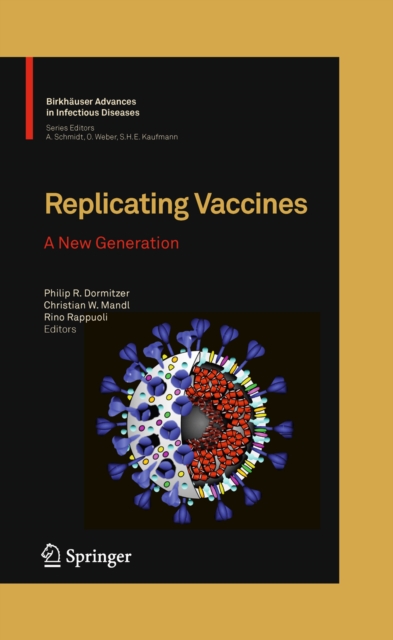
Technological advances, together with a better understanding of the molecular biology of infectious microorganisms, are creating exciting possibilities for a new generation of replicating vaccines.
Bacteria and fungi are able to aggregate together or on surfaces in densely packed microcolonies, facilitated by extracellular polymeric substances for cell protection and stability.
This book covers the wide set of well-regulated virulence factors and defense mechanisms of Pseudomonas aeruginosa focusing on stress responses and the evolution of this opportunistic human pathogen.
This book series focuses on current progress in the broad field of medical microbiology, and covers both basic and applied topics related to the study of microbes, their interactions with human and animals, and emerging issues relevant for public health.
This book reviews the current knowledge of the globally circulating SARS-CoV-2 variants, highlights their distinct genetic characteristics and associated conformational changes in the viral spike protein, and profoundly discusses the mechanisms of convergent evolution that led to the rise of these mutated strains at different geographic regions during the Covid-19 pandemic.
Clinical and preclinical exploration of gene and cellular immunotherapy have seen rapid growth and interest with the development and approval of five Chimeric Antigen Receptor T-cell (CAR-T) products for lymphoma and myeloma and one Bispecific T-Cell Engager (BiTE) for acute lymphoblastic leukemia (ALL).
Over the past decade, the tumor microenvironment has become one of the most important research areas in cancer biology, as cells within the tumor microenvironment, despite being outnumbered by healthy cells, are able to evade surveillance and immune-mediated destruction.
This updated second edition of Molecular Typing in Bacterial Infections, presented in two volumes, covers both common and neglected bacterial pathogenic agents, highlighting the most effective methods for their identification and classification in the light of their specific epidemiology.
This book serves as a comprehensive yet concise reference guide reviewing the latest knowledge on bacterial, viral, fungal and parasitic infectious diseases of old world dromedary camels.
This second fully updated and extended edition of the textbook serves as a highly readable guide on latest developments in vaccine development and vaccination programs in infants, children and adolescents from a European perspective.
This book series focuses on current progress in the broad field of medical microbiology, and covers both basic and applied topics related to the study of microbes, their interactions with human and animals, and emerging issues relevant for public health.
This second edition of Clinical Use of Anti-Infective Agents provides a comprehensive overview of current approaches to using drugs to treat infections, including historical perspectives, definitions, and discussion of pharmacokinetics and pharmacodynamics and their uses.
The topic of this book, Collectins, is a family of proteins whose major function is in innate immunity, where Collectins act as pattern recognition receptors (PRRs).
This book examines an important paradigm shift in biology: Plants and animals, traditionally viewed as individuals, are now considered to be complex systems and host to a plethora of microorganisms.