To promote effectiveness and minimize possible toxicity, the dosage of certain medications must be adjusted in persons with compromised kidney function.
TLR4 is one of the most important innate immunity receptors, its function mainly consisting in the activation of inflammatory pathways in response to stimulation by Pathogen-Associated Molecular Patterns (PAMPs) and Damage Associated Molecular Pattern molecules (DAMPs).
This book highlights cutting-edge studies in the development of cell-inspired biomaterials and synthetic materials that manipulate cell functions and provide the next generation with contemporary tools for treating complex human diseases.
This book series focuses on current progress in the broad field of medical microbiology, and covers both basic and applied topics related to the study of microbes, their interactions with human and animals, and emerging issues relevant for public health.
This book offers a valuable resource, reviewing the current state of knowledge concerning the pathology and epidemiology of infectious diseases in both captive and wild monkeys.
One of the most exciting developments in the field of bacterial pathogenesis in recent years is the discovery that many pathogens utilize complex nanomachines to deliver bacterially encoded effector proteins into eukaryotic and prokaryotic target cells to modulate a variety of cellular functions for the pathogen's benefit.
This first volume in a two-volume work enhances readers' understanding of antimicrobial resistance mechanisms in selected bacterial species that cause diseases in major food producing animals.
This book emerges from the idea that specific physics-inspired approaches are necessary to understand different stage of bacterial physiology and the infections they cause.
Multiple demographic or economic parameters contribute to the origin of emerging infections, for example: poverty, urbanization, climate change, conflicts and population migrations.
This book provides a comprehensive resource on various aspects of the parasite Trypanosoma cruzi and the neglected tropical disease Chagas disease (American trypanosomiasis), the disorder resulting from infection with the parasite.
Given the at times confusing new information concerning the human microbiome released over the last few years, this book seeks to put the research field into perspective for non-specialists.
This thoroughly revised second edition is an up-to-date overview of the new advances in the knowledge of the basic science in sarcoma and osteosarcoma.
This volume summarizes and updates information about antibiotics and antimicrobial resistance (AMR)/antibiotic resistant genes (ARG) production, including their entry routes in soil, air, water and sediment, their use in hospital and associated waste, global and temporal trends in use and spread of antibiotics, AMR and ARG.
A follow-up to Emerging Issues and Controversies in Infectious Diseases, this volume provides a comprehensive review of topical issues in infectious diseases, highlighting the controversies related to the newest findings and recommendations.
This book series focuses on current progress in the broad field of medical microbiology, and covers both basic and applied topics related to the study of microbes, their interactions with human and animals, and emerging issues relevant for public health.
This book serves as a reference work on pediatric HIV infection and covers the full bandwidth of topics from an introduction to pathogenesis and epidemiology, over the transmission of the HI virus, to clinical manifestations, treatment, and prevention strategies.
The main goal of the present book is to deal with the role of nanobiotechnology in skin, soft tissue and bone infections since it is difficult to treat the infections due to the development of resistance in them against existing antibiotics.
This book explores the broad and diverse biological and physiological impacts of established and newly discovered cyclic di-nucleotide second messenger signaling systems, while also providing descriptions of the intriguing biochemical characteristics of multiple turnover enzymes and receptors.
This volume offers an overview of the various aspects involved in the ability of fungi to damage host cells, and discusses cutting-edge approaches to the study of fungal pathogenesis.
This book gives a detailed yet clear insight into the current state of the art of the therapeutic application of bacteriophages in different conditions.
This book summarizes the progress in studies of tuberculosis host-pathogen interactions from several perspectives: molecular microbiology, immunology, animal models, clinical studies, epidemiology, and drug discovery.
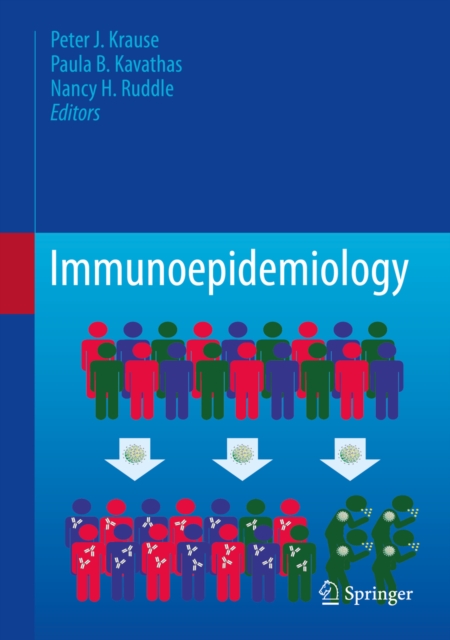
This textbook focuses on the nascent field of Immunoepidemiology that addresses how differences in immune responses among individuals affect the epidemiology of infectious diseases, cancer, hypersensitivity, and autoimmunity.
This book gathers a wealth of contributions on the virulence factors and pathogenic mechanism of Helicobacter pylori, prepared by leading international experts.
The book focuses on the evolutionary impact of horizontal gene transfer processes on pathogenicity, environmental adaptation and biological speciation.
This volume is the first-ever complete treatise on polymyxins and presents the most comprehensive and up-to-date reviews of all major research and clinical topics from chemistry, microbiology, pharmacology, clinical use, to drug discovery.
This book sheds light on the major functions of microbial communities in aquaculture ecosystems, showing that by recycling nutrients, degrading organic matter and preventing disease outbreaks, a variety of microbes are truly beneficial to a wide range of aquaculture industries.
This book focuses on immune reactions and interactions of humans with Helicobacter pylori - a human pathogen connected to gastritis, peptic ulcers and even gastric cancer.
This book explores a new challenge in virology: to understand how physical properties of virus particles (virions) and viruses (infected cells) affect the course of an infection.