The upheavals of the NHS reforms have caused a great deal of stress and uncertainty in primary care, and professional development and support for general practitioners needs to take account of this.
In the past 10 years spirituality and spiritual care have been much debated in professional healthcare literature, highlighting the need for a recognised definition of spiritual care to enable appropriate assessment of, and response to, spiritual issues.
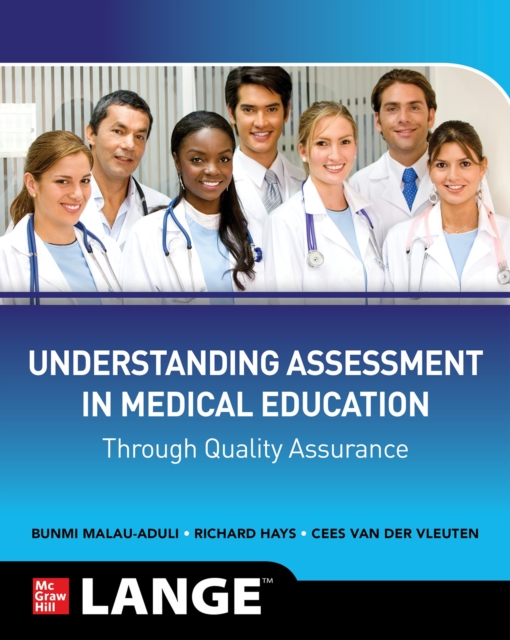
The past 50 years - and even the past 20 years - have seen almost revolutionary change in medical education, which has emerged as a distinct discipline during that time.
Many doctors do not receive training early in their careers on the broad range of non-clinical aspects of their work, and confront day-to-day issues for which initial medical education has failed to prepare them.
A Long Walk Home is Rachel Clarks evocative and moving account of her treatment and experiences with health professionals in Britain and Australia while she was living with, and dying from, cancer.
Focusing on a matter of continuing contemporary significance, this book is the first work to offer an in-depth exploration of exploitation in the doctor-patient relationship.
Focusing on a matter of continuing contemporary significance, this book is the first work to offer an in-depth exploration of exploitation in the doctor-patient relationship.
Welfel's ETHICS IN COUNSELING AND PSYCHOTHERAPY prepares you to deal effectively with the complex ethical and legal issues that you will confront in practice.
Developing your interpersonal skills and establishing your "e;brand"e; as a professional early in your academic career will directly affect your future success.
For anyone who communicates directly with patients-the complete guide to handling emotionally charged conversations with the empathy vulnerable people deserveEmpathy: Real Stories to Inspire and Enlighten Busy Clinicians helps you approach tough conversations with patients in a new, more effective way-by imagining what patients and their families may be thinking and feeling, and then communicating that recognition clearly and confidently.
From the top experts on healthcare workforce engagement comes a vital road map to reduce the alarmingly high-and fast-growing-rate of staff burnout and to transform care.
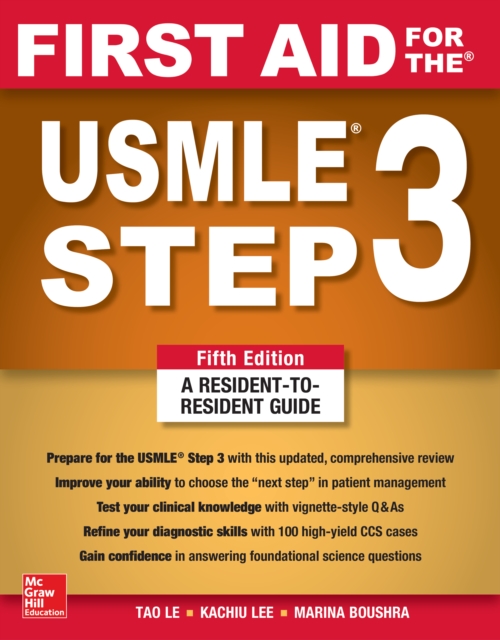
The resident's trusted, one-stop guide to acing the USMLE(R) Step 3 - co-written by residents who recently took the exam and know what it takes to passSTRONG FOCUS ON TEST-RELEVANT MATERIAL MAXIMIZES YOUR STUDY TIME!
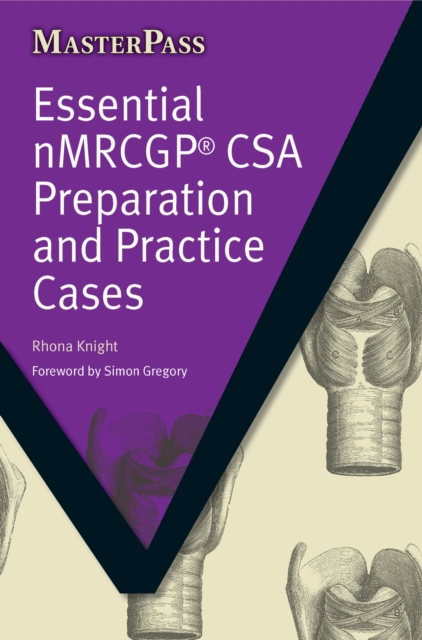
The Clinical Skills Assessment (CSA) of the new Membership of the Royal College of General Practice (nMRCGP) examinations can be a daunting test: candidates face assessment on an unknown situation by a 'patient' and assessor, however, help is at hand.
Medics need well informed careers advice information guidance and counselling throughout their careers and not just while they are students or newly qualified doctors.
This is a creative, comprehensive and user-friendly manual comprising a curriculum for residencies and medical schools looking to implement new, or enhance existing, curricula in culturally responsive care.
The ultimate enrichment and survival guide for Foundation Programme doctors, Staying Human During the Foundation Programme and Beyond provides time-tested advice and the latest information on every aspect of a junior doctor's life - from clinical transitions, to coping with stress, enhancing self-care and protecting personal and professional relationships.
Written by experienced authorities from around the world giving a wider international perspective on palliative nursing, this substantially expanded new edition has been specifically adapted to reflect working practices within the NHS.
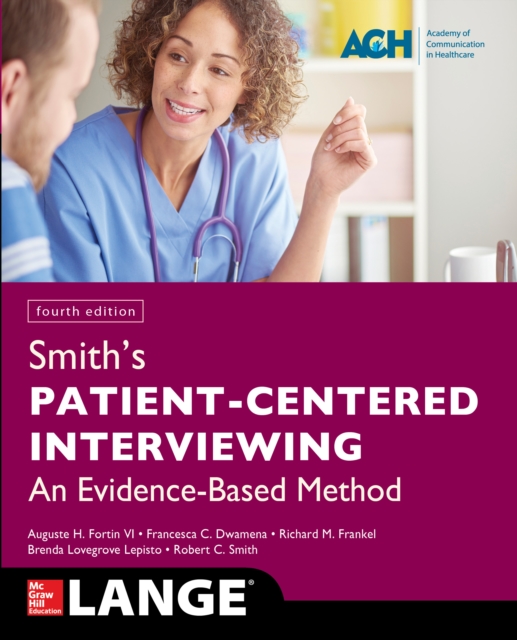
This book and its companion, Skills for Communicating with Patients, Second Edition, provide a comprehensive approach to improving communication in medicine.
This book delves deeply into modern surrogacy arrangements, responding to both practical and ethical critiques by offering a radically new model for surrogate motherhood.
The findings of key reports highlight the need to raise awareness of the failures in health and social care systems to safeguard vulnerable older people.
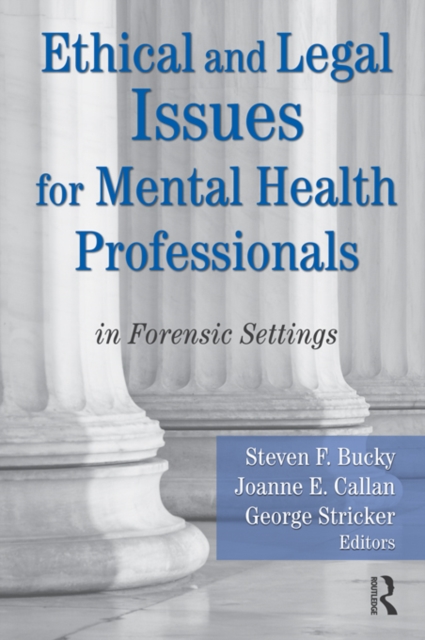
Get crucial ethical and clinical knowledge as it relates to the legal system Ethical and Legal Issues for Mental Health Professionals: in Forensic Settings comprehensively focuses on the integration of ethical, legal, and clinical issues for practicing mental health professionals dealing with legal processes in forensic settings.
Get crucial ethical and clinical knowledge as it relates to the legal system Ethical and Legal Issues for Mental Health Professionals: in Forensic Settings comprehensively focuses on the integration of ethical, legal, and clinical issues for practicing mental health professionals dealing with legal processes in forensic settings.
The Routledge Handbook of Clinical Supervision provides a global 'state of the art' overview of clinical supervision, presenting and examining the most comprehensive, robust empirical evidence upon which to base practice.
The Routledge Handbook of Clinical Supervision provides a global 'state of the art' overview of clinical supervision, presenting and examining the most comprehensive, robust empirical evidence upon which to base practice.