The federal and state partnership in supporting immunization programs that benefit the general population evolved over the last half of the 20th century from a simple cost-sharing arrangement for vaccine purchase for disadvantaged children to a more complicated mix of programs, health care coverage benefits, and public-private partnerships.
Cancer ranks second only to heart disease as a leading cause of death in the United States, making it a tremendous burden in years of life lost, patient suffering, and economic costs.
Globalization of the food supply has created conditions favorable for the emergence, reemergence, and spread of food-borne pathogens-compounding the challenge of anticipating, detecting, and effectively responding to food-borne threats to health.
Emergency Medical Services (EMS) is a critical component of our nations emergency and trauma care system, providing response and medical transport to millions of sick and injured Americans each year.
Clinical practice related to sleep problems and sleep disorders has been expanding rapidly in the last few years, but scientific research is not keeping pace.
Today our emergency care system faces an epidemic of crowded emergency departments, patients boarding in hallways waiting to be admitted, and daily ambulance diversions.
In January 2014, the Board on Children, Youth, and Families of the Institute of Medicine and the National Research Council, in collaboration with the IOM Board on Global Health, launched the Forum on Investing in Young Children Globally.
Presenta una original aproximación al devenir sanitario del país desde la antropología médica, la epidemiología, la etnoepidemiología y la historia; es una expresión de interdisciplinariedad y transdisciplinariedad que tiene en cuenta el conocimiento ancestral, la academia y la cultura.
The inclusion of genomic data in a knowledge-generating health care system infrastructure is one promising way to harness the full potential of that information to provide better patient care.
Emerging infectious disease threats that may not have available treatments or vaccines can directly affect the security of the world's health since these diseases also know no boundaries and will easily cross borders.
Protecting 18 million United States health care workers from infectious agents - known and unknown - involves a range of occupational safety and health measures that include identifying and using appropriate protective equipment.
Medicare is the largest health insurer in the United States, providing coverage for 39 million people aged 65 and older and 8 million people with disabilities, and reaching more than an estimated $500 billion in payments in 2010.
During the last 25 years, life expectancy at age 50 in the United States has been rising, but at a slower pace than in many other high-income countries, such as Japan and Australia.
The 20142015 Ebola epidemic in western Africa was the longest and most deadly Ebola epidemic in history, resulting in 28,616 cases and 11,310 deaths in Guinea, Liberia, and Sierra Leone.
Driven by community-based organizations and supported by a growing body of literature, the environmental justice movement contends that poor and minority populations are burdened with more than their share of toxic waste, pesticide runoff, and other hazardous byproducts of our modern economic life.
The roots of health literacy can be traced back to the national literacy movement in India under Gandhi and to aid groups working in Africa to promote education and health.
Since the late 1960s, the survival rate in children and adolescents diagnosed with cancer has steadily improved, with a corresponding decline in the cancer-specific death rate.
El concepto de familia se ha transformado, con un acento importante en la razón y la disciplina, la norma y el control, la práctica religiosa y la vida pública.
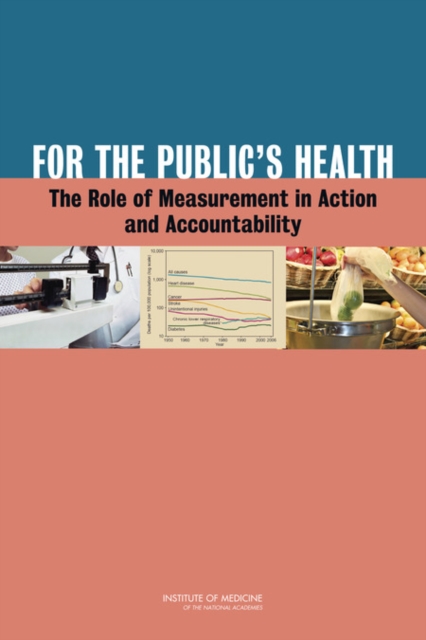
The Robert Wood Johnson Foundation asked the Institute of Medicine (IOM) to examine three topics in relation to public health: measurement, the law, and funding.
Health literacy is the degree to which individuals can obtain, process, and understand the basic health information and services they need to make appropriate health decisions.
Once dismissed by the medical profession as a purely cosmetic problem, obesity now ranks second only to smoking as a wholly preventable cause of death.
The Dietary Reference Intakes (DRIs) are quantitative estimates of nutrient intakes to be used for planning and assessing diets for apparently healthy people.
Recent concerns about the unexpected adverse effects of marketed drugs, such as COX-2 (cyclooxygenase-2) inhibitors or specific statins, raise concerns not only about reporting these events during premarket studies, but also about the responsibility for ongoing surveillance of drugs once they are on the market.
The Food Safety and Inspection Service (FSIS) is the regulatory agency in the US Department of Agriculture that is responsible for ensuring that meat, poultry, and processed egg products produced domestically or imported into the United States are safe, wholesome, and properly labeled.
After-school programs, scout groups, community service activities, religious youth groups, and other community-based activities have long been thought to play a key role in the lives of adolescents.
Emergency Medical Services (EMS) is a critical component of our nations emergency and trauma care system, providing response and medical transport to millions of sick and injured Americans each year.
Ensuring the safety of food and the quality and safety of medicines in a country is an important role of government, made more complicated by global manufacturing and international trade.
The Dietary Reference Intakes (DRIs) are a set of evidence-based nutrient reference values for intakes that include the full range of age, gender, and life stage groups in the US and Canada.
Recent concerns about the unexpected adverse effects of marketed drugs, such as COX-2 (cyclooxygenase-2) inhibitors or specific statins, raise concerns not only about reporting these events during premarket studies, but also about the responsibility for ongoing surveillance of drugs once they are on the market.
Rapid advances in technology have lowered the cost of sequencing an individual's genome from the several billion dollars that it cost a decade ago to just a few thousand dollars today and have correspondingly greatly expanded the use of genomic information in medicine.