Public health officials and organizations around the world remain on high alert because of increasing concerns about the prospect of an influenza pandemic, which many experts believe to be inevitable.
The Institute of Medicine (IOM) Roundtable on Health Literacy focuses on bringing together leaders from the federal government, foundations, health plans, associations, and private companies to address challenges facing health literacy practice and research and to identify approaches to promote health literacy in both the public and private sectors.
Nanoscale science and technology, often referred to as "e;nanoscience"e; or "e;nanotechnology,"e; are science and engineering enabled by our relatively new ability to manipulate and characterize matter at the level of single atoms and small groups of atoms.
Recent health care payment reforms aim to improve the alignment of Medicare payment strategies with goals to improve the quality of care provided, patient experiences with health care, and health outcomes, while also controlling costs.
The Food and Nutrition Board of the Institute of Medicine (IOM), part of the National Academies, was asked to evaluate the use of various dietary assessment tools and to make recommendations for the assessment of inadequate or inappropriate dietary patterns.
Vaccines have made it possible to eradicate the scourge of smallpox, promise the same for polio, and have profoundly reduced the threat posed by other diseases such as whooping cough, measles, and meningitis.
Adolescence is a time of major transition, however, health care services in the United States today are not designed to help young people develop healthy routines, behaviors, and relationships that they can carry into their adult lives.
Several positive and negative lifelong behaviors are established during adolescence including diet and exercise, sexual conduct, practices related to oral health, smoking, drinking, and the use if legal and illegal substances.
Research conducted over the past two decades has shown that poor patient understanding of medication instructions is an important contributor to the more than 1 million medication errors and adverse drug events that lead to office and emergency room visits, hospitalizations, and even death.
Solving the world's health challenges requires multidisciplinary collaborations that bring together the talents, experiences, resources, and ideas from multiple sectors.
When 18-year-old Jesse Gelsinger died in a gene transfer study at the University of Pennsylvania, the national spotlight focused on the procedures used to ensure research participants' safety and their capacity to safeguard the well-being of those who volunteer for research studies.
The purpose of this regional workshop in the Southeast was to broaden the environmental health perspective from its typical focus on environmental toxicology to a view that included the impact of the natural, built, and social environments on human health.
With the advent of genome-wide association studies, numerous associations between specific gene loci and complex diseases have been identifiedfor breast cancer, coronary artery disease, and asthma, for example.
The fragmented information that consumers receive about the nutritional value and health risks associated with fish and shellfish can result in confusion or misperceptions about these food sources.
Neuroinflammation is a burgeoning area of interest in academia and biopharma, with a broadly acknowledged role in many central nervous system (CNS) disorders.
The Dietary Reference Intakes (DRIs) are quantitative estimates of nutrient intakes to be used for planning and assessing diets for apparently healthy people.
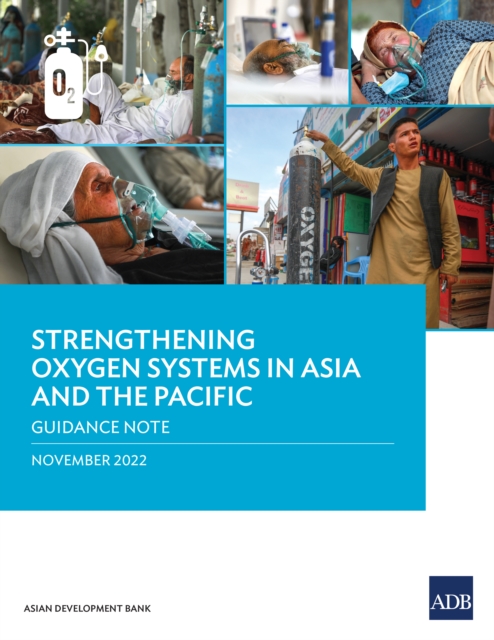
This guidance note provides a comprehensive overview of medical oxygen production, distribution, and use in Asia and the Pacific region, and explores how to improve systems over the medium and long term.
Myalgic encephalomyelitis (ME) and chronic fatigue syndrome (CFS) are serious, debilitating conditions that affect millions of people in the United States and around the world.
Although the general public in the United States assumes children to be generally healthy and thriving, a substantial and growing number of children have at least one chronic health condition.
There are numerous reasons to hasten the introduction of new and improved contraceptivesfrom health concerns about the pill to the continuing medical liability crisis.
In recent public workshops and working group meetings, the Forum on Microbial Threats of the Institute of Medicine (IOM) has examined a variety of infectious disease outbreaks with pandemic potential, including those caused by influenza (IOM, 2005) and severe acute respiratory syndrome (SARS) (IOM, 2004).
Healthcare decision makers in search of reliable information that compares health interventions increasingly turn to systematic reviews for the best summary of the evidence.
In October 2004 the Research Center for Gastroenterology and Liver Diseases of Shaheed Beheshti University hosted in Tehran an Iranian-American workshop on Food Safety and Surveillance Systems for Foodborne Diseases.