The rapid and continuous growth in the amount of available medical information and the variety of multimodal content has created demand for a fast and reliable technology capable of processing data and delivering results in a user-friendly manner, whenever and wherever the information is needed.
This book presents new systems and circuits for implantable biomedical applications, using a non-conventional way to transmit energy and data via ultrasound.
This book explores the latest and most relevant topics in the field of computational bioengineering and bioinformatics, with a particular focus on patient-specific, disease-progression modeling.
This volume presents a new contribution for the field of Tissue Engineering with a focus on the development of mathematical and computational methods that are relevant to understand human tissues, as well to model, design, and fabricate optimized and smart scaffolds.
This book is about the field of brain-computer interfaces (BCI) and the unique and special environment of active implants that electrically interface with the brain, spinal cord, peripheral nerves, and organs.
Stem Cell Biology and Tissue Engineering in Dental Sciences bridges the gap left by many tissue engineering and stem cell biology titles to highlight the significance of translational research in this field in the medical sciences.
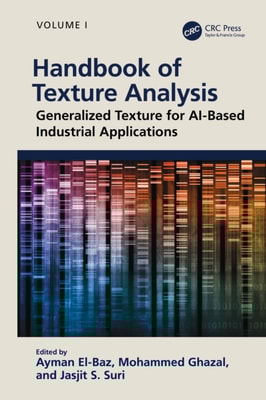
The major goals of texture research in computer vision are to understand, model, and process texture, and ultimately, to simulate the human visual learning process using computer technologies.
This is the first book offering a systematic description of tongue image analysis and processing technologies and their typical applications in computerized tongue diagnostic (CTD) systems.
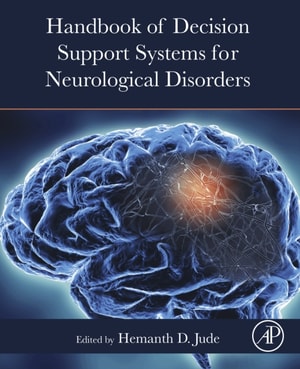
Handbook of Decision Support Systems for Neurological Disorders provides readers with complete coverage of advanced computer-aided diagnosis systems for neurological disorders.
Handbook of Computational Intelligence in Biomedical Engineering and Healthcare helps readers analyze and conduct advanced research in specialty healthcare applications surrounding oncology, genomics and genetic data, ontologies construction, bio-memetic systems, biomedical electronics, protein structure prediction, and biomedical data analysis.
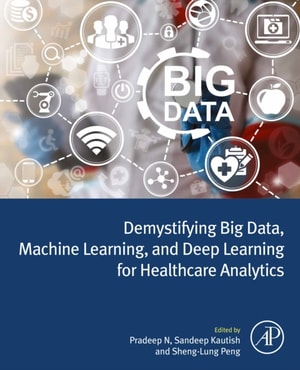
Demystifying Big Data, Machine Learning, and Deep Learning for Healthcare Analytics presents the changing world of data utilization, especially in clinical healthcare.
Value of Connected Things for Healthcare is based on feedback from members of the LLSA Forum, patients, healthcare professionals, Living Labs, industrialists, researchers and institutional actors confronted with the design, development, implementation and use of these types of tools that penetrate health and communicate data.
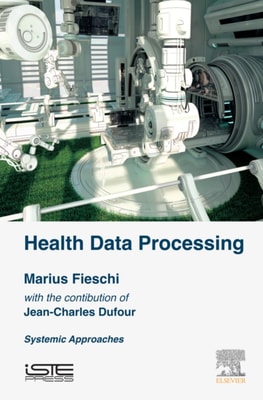
Health Data Processing: Systemic Approaches focuses on the design of health information systems and touches on the main themes of medical informatics and public health.
Iron Oxide Nanoparticles for Biomedical Applications: Synthesis, Functionalization and Application begins with several chapters covering the synthesis, stabilization, physico-chemical characterization and functionalization of iron oxide nanoparticles.
Precious metals and semi-precious metals are used for an increasing number of medical applications due to the properties of these metals and their alloys.
Bone substitute biomaterials are fundamental to the biomedical sector, and have recently benefitted from extensive research and technological advances aimed at minimizing failure rates and reducing the need for further surgery.
Neural Network Modeling and Identification of Dynamical Systems presents a new approach on how to obtain the adaptive neural network models for complex systems that are typically found in real-world applications.
Engineering Neural Tissue from Stem Cells covers the basic knowledge needed to understand the nervous system and how existing cells can be used to create neural tissue.
Data Literacy: How to Make Your Experiments Robust and Reproducible provides an overview of basic concepts and skills in handling data, which are common to diverse areas of science.
Exploring Mathematical Modeling in Biology through Case Studies and Experimental Activities provides supporting materials for courses taken by students majoring in mathematics, computer science or in the life sciences.
Computational Modeling in Bioengineering and Bioinformatics promotes complementary disciplines that hold great promise for the advancement of research and development in complex medical and biological systems, and in the environment, public health, drug design, and so on.
Omics Technologies and Bio-Engineering: Towards Improving Quality of Life, Volume 1 is a unique reference that brings together multiple perspectives on omics research, providing in-depth analysis and insights from an international team of authors.
Neural Surface Antigens: From Basic Biology towards Biomedical Applications focuses on the functionalrole of surface molecules in neural development, stem cell research, and translational biomedical paradigms.
Appropriate for a wide range of disciplines, from biology to non-biology, law and nursing majors, DNA and Biotechnology uses a straightforward and comprehensive writing style that gives the educated layperson a survey of DNA by presenting a brief history of genetics, a clear outline of techniques that are in use, and highlights of breakthroughs in hot topic scientific discoveries.
This easy-to-understand pocketbook in the highly respected Clark's stable of diagnostic imaging texts is an invaluable tool for student and practising radiographers, providing practical guidance to undertaking a wide range of mobile and theatre imaging examinations in multiple locations - different theatre environments, the Emergency Department, Intensive Care Units, including Neonatal Intensive Care Units, and on general wards.
Nanotechnology and regenerative engineering have emerged to the forefront as the most versatile and innovative technologies to foster novel therapeutic techniques and strategies of the twenty-first century.
In this book, the role of Artificial Intelligence (AI), Internet of Things (IoT) and Blockchain in smart healthcare is explained through a detailed study of Artificial Neural Network, Fuzzy Set Theory, Intuitionistic Fuzzy Set, Machine Learning and Big Data technology.
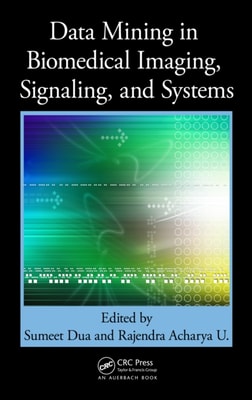
This comprehensive volume demonstrates the broad scope of uses for data mining and includes detailed strategies and methodologies for analyzing data from biomedical images, signals, and systems.
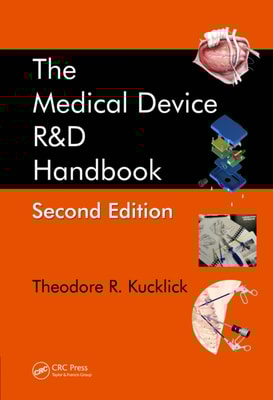
Exploring the practical, entrepreneurial, and historical aspects of medical device development, this second edition of The Medical Device R&D Handbook provides a how-to guide for medical device product development.
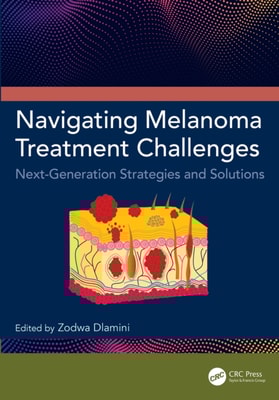
This book delves into the complexities of melanoma, offering an in-depth examination of the disease alongside the latest advancements in diagnosis and treatment.
Definitive Treatment of the Numerical Simulation of Bioheat Transfer and Fluid FlowMotivated by the upwelling of current interest in subjects critical to human health, Advances in Numerical Heat Transfer, Volume 3 presents the latest information on bioheat and biofluid flow.
Addresses an Emerging Shift in Developing CountriesThe authors and contributors of Ambient Assisted Living have recognized that the demographic profile is changing in many developing countries and have factored in an inversion of the demographic pyramid.
VipIMAGE 2015 contains invited lectures and full papers presented at VIPIMAGE 2015 - V ECCOMAS Thematic Conference on Computational Vision and Medical Image Processing (Tenerife, Canary Islands, Spain, 19-21 October, 2015).