Designed to foster a stronger awareness and exploration of the subject by practicing clinicians, medical researchers and scientists, The Clinical Nanomedicine Handbook discusses the integration of nanotechnology, biology, and medicine from a clinical point of view.
Medical Physics and Biomedical Engineering provides broad coverage appropriate for senior undergraduates and graduates in medical physics and biomedical engineering.
Known as the bible of biomedical engineering, The Biomedical Engineering Handbook, Fourth Edition, sets the standard against which all other references of this nature are measured.
A reflection of the intense study of the effects of electromagnetic fields on living tissues that has taken place during the last decades, Advanced Electroporation Techniques in Biology and Medicine summarizes most recent experimental findings and theories related to permeabilization of biomembranes by pulsed electric fields.
Innovations in paediatric rehabilitation engineering can serve as a springboard to education, psychosocial, social, physical and cognitive development for children and youth with disabilities.
Current demand in biomedical sciences emphasizes the understanding of basic mechanisms and problem solving rather than rigid empiricism and factual recall.
Exploring the practical, entrepreneurial, and historical aspects of medical device development, this second edition of The Medical Device R&D Handbook provides a how-to guide for medical device product development.
In the last few decades, significant advancements in the biology and engineering of stem cells have enabled progress in their clinical application to revascularization therapies.
This accessible guide to advanced medical technologies and methodologies for monitoring, diagnosing, and predicting cardiovascular diseases addresses sensor technologies and non-invasive monitoring methods and looks at the growing integration of machine learning and AI.
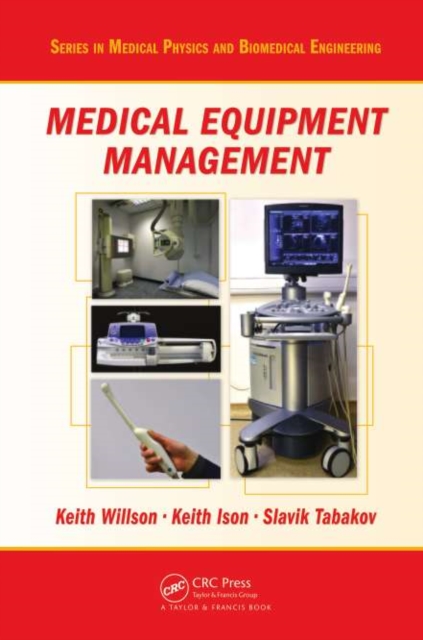
Know What to Expect When Managing Medical Equipment and Healthcare Technology in Your OrganizationAs medical technology in clinical care becomes more complex, clinical professionals and support staff must know how to keep patients safe and equipment working in the clinical environment.
Shaped by Quantum Theory, Technology, and the Genomics RevolutionThe integration of photonics, electronics, biomaterials, and nanotechnology holds great promise for the future of medicine.
Combining a professional development course on diagnostic endoscopy from SPIE (the international society advancing light-based research) and the authors' graduate course on biomedical optics, this work is written for researchers in medical optics and biomedical engineering as well as graduate medical optics students.
In a carefully crafted, multidisciplinary, skillfully focused format, Polymers for Vascular and Urogenital Applications covers attributes of polymers used for vascular, urological, and gynecological materials.
In considering ways that physics has helped advance biology and medicine, what typically comes to mind are the various tools used by researchers and clinicians.
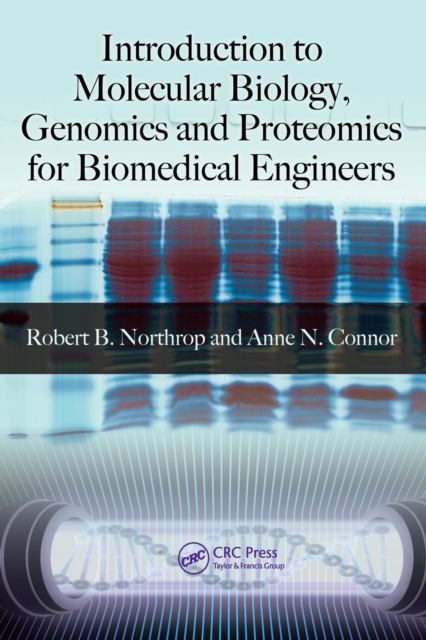
Illustrates the Complex Biochemical Relations that Permit Life to ExistIt can be argued that the dawn of the 21st century has emerged as the age focused on molecular biology, which includes all the regulatory mechanisms that make cellular biochemical reaction pathways stable and life possible.
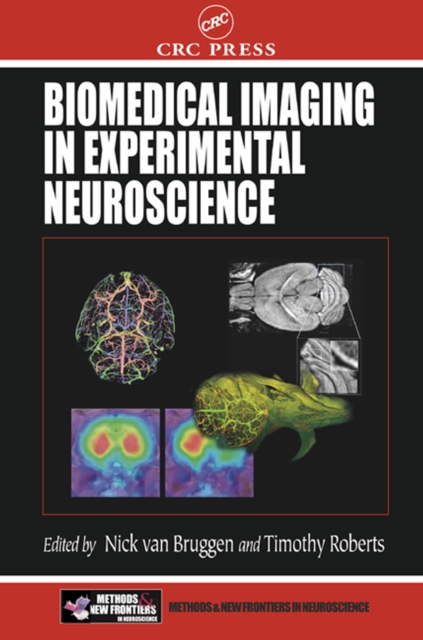
With the emergence of genetically manipulated laboratory mice as one of the most powerful tools for neuroscientists, imaging techniques capable of providing anatomical and functional information of small animals have become extremely important.
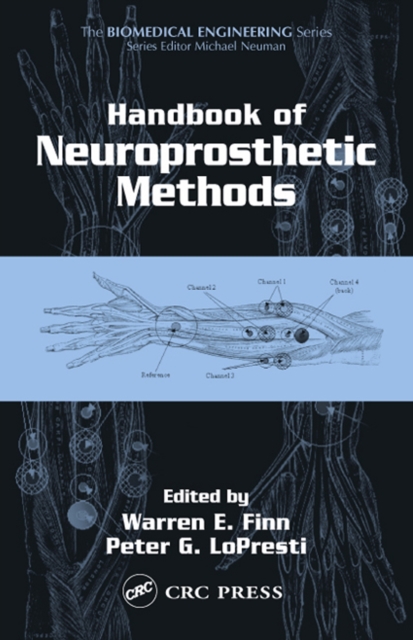
The prospect of interfacing the nervous system with electronic devices to stimulate or record from neural tissue suggests numerous possibilities in the field of neuroprosthetics.
Work in the field of neuroprosthetics requires multidisciplinary teams, but these collaborators must meet on common ground to develop an understanding of the capabilities and limitations of each part of a bioengineering project.
Bone is a complex biological material that consists of both an inorganic and organic phase, which undergoes continuous dynamic biological processes within the body.
With an ever-expanding array of biomaterials and implant devices appearing in the field, Spinal Reconstruction: Clinical Examples of Applied Basic Science, Biomechanics and Engineering helps surgeons assess and utilize the latest technologies to improve the reconstruction of the spine and enhance the reconstitution of diseased spinal segments.
In two editions spanning more than a decade, The Electrical Engineering Handbook stands as the definitive reference to the multidisciplinary field of electrical engineering.
Fully updated fundamental biomedical engineering principles and technologiesThis state-of-the-art resource offers unsurpassed coverage of fundamental concepts that enable advances in the field of biomedical engineering.
This book contains applications to various health-related problems, from designing and maintaining a proper diet to enhancing hygiene to analysis of mammograms and left-right brain activity to treating diseases such as diabetes and drug addictions.
The book extensively explores Brain-Computer Interfaces (BCIs), emphasizing both the theoretical foundations and practical applications within this rapidly advancing field.
This book contains 23 papers presented at the ECCOMAS Multidisciplinary Jubilee Symposium - New Computational Challenges in Materials, Structures, and Fluids (EMJS08), in Vienna, February 18-20, 2008.
Biopotential Readout Circuits for Portable Acquisition Systems describes one of the main building blocks of such miniaturized biomedical signal acquisition systems.
Computational methodologies of signal processing and imaging analysis, namely considering 2D and 3D images, are commonly used in different applications of the human society.
Omnidirectional Inductive Powering for Biomedical Implants investigates the feasibility of inductive powering for capsule endoscopy and freely moving systems in general.
Nearly 97% of the human genome is the non-coding DNA, which varies from one species to another, and changes in these sequences are frequently noticed to manifest clinical and circumstantial malfunction.
Microfluidics-based biochips, also known as lab-on-a-chip or bio-MEMS, are becoming increasingly popular for DNA analysis, clinical diagnostics, and the detection/manipulation of bio-molecules.