Introduction to Biotransport Principles is a concise text covering the fundamentals of biotransport, including biological applications of: fluid, heat, and mass transport.
Mechanobiology of Cell-Matrix Interactions focuses on characterization and modeling of interactions between cells and their local extracellular environment, exploring how these interactions may mediate cell behavior.
New Frontiers in Biomedical Engineering will be an edited work taken from the 1st Annual World Congress of Chinese Biomedical Engineers - Taipei, Taiwan 2002.
Nanopores are nanometer scale holes formed naturally by proteins or cells, and can be used for a variety of applications, including sequencing DNA and detecting anthrax.
Micro/Nano-robotics for Biomedical Applications features a system approach and incorporates modern methodologies in autonomous mobile robots for programmable and controllable micro/nano-robots aiming at biomedical applications.
As diverse as tomorrow's society constituent groups may be, they will share the common requirements that their life should become safer and healthier, offering higher levels of effectiveness, communication and personal freedom.
Image-Based Computational Modeling of the Human Circulatory and Pulmonary Systems provides an overview of the current modeling methods and applications enhancing interventional treatments and computer-aided surgery.
Design and Use of Assistive Technology assesses major hurdles in the design and use of assistive technologies, while also providing guidelines and recommendations to improve these technologies.
Biomaterials for Clinical Applications is organized according to the World Health Organization's report of the top 11 causes of death worldwide, and lays out opportunities for both biomaterials scientists and physicians to tackle each of these leading contributors to mortality.
Biosensors: From Electric Circuits to Immunosensors discusses underlying circuitry of sensors for biomedical and biological engineers as well as biomedical sensing modalities for electrical engineers while providing an applications-based approach to the study of biosensors with over 13 extensive, hands-on labs.
The Pumps and Pipes collaboration and conference brings together energy, medicine, and higher education in a unique shared effort, exploring ideas and research common to these important fields and stimulating discussion and sharing technologies that can further the reach and goals of each individual area.
Recent studies have shown that novel processing and modeling techniques may be used to create patient-specific prostheses, artificial tissues, and other implants using data obtained from magnetic resonance imaging, computed tomography, or other imaging techniques.
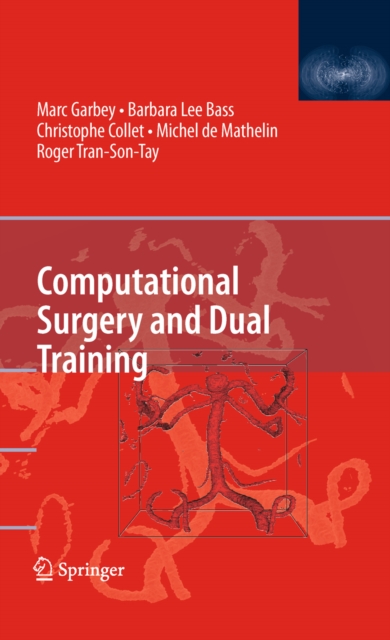
The future of surgery is intrinsically linked to the future of computational sciences: the medical act will be computer assisted at every single step, from planning to post-surgery recovery and through the surgical procedure itself.
Metal ions in biology is an ever expanding area in science and medicine involving metal ions in proteins and enzymes, their biosynthesis, catalysis, electron transfer, metal ion trafficking, gene regulation and disease.
Physics and the life sciences have established new connections within the past few decades, resulting in biological physics as an established subfield with strong groups working in many physics departments.
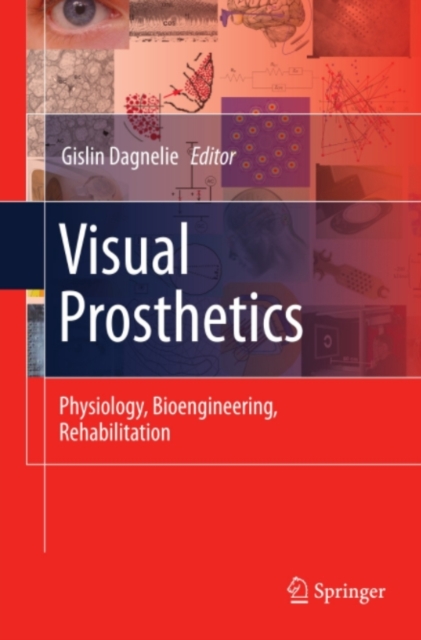
Visual Prosthetics provides an in-depth analysis of the principles of operation, current state, anticipated developments, and functional aspects of visual prosthetics restoring sight to visually impaired individuals.
Computational Cardiovascular Mechanics provides a cohesive guide to creating mathematical models for the mechanics of diseased hearts to simulate the effects of current treatments for heart failure.
Ambulation Analysis in Wearable ECG demonstrates why, due to recent developments, the wearable ECG recorder substantiates a significant innovation in the healthcare field.
Nanodiamonds: Applications in Biology and Nanoscale Medicine highlights the translation of nanodiamonds toward clinical relevance and medical applications.
Medical Imaging Informatics provides an overview of this growing discipline, which stems from an intersection of biomedical informatics, medical imaging, computer science and medicine.
This book provides an introduction to two important aspects of modern bioch- istry, molecular biology, and biophysics: computer simulation and data analysis.
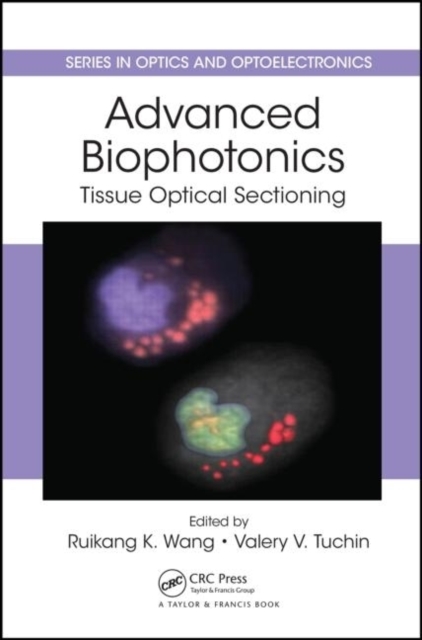
Despite a number of books on biophotonics imaging for medical diagnostics and therapy, the field still lacks a comprehensive imaging book that describes state-of-the-art biophotonics imaging approaches intensively developed in recent years.
Poised to dramatically impact human health, biomedical microsystems (bioMEMS) technologies incorporate various aspects from materials science, biology, chemistry, physics, medicine, and engineering.
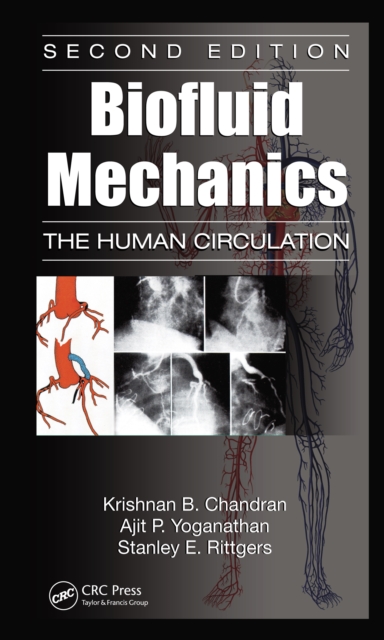
Designed for senior undergraduate or first-year graduate students in biomedical engineering, Biofluid Mechanics: The Human Circulation, Second Edition teaches students how fluid mechanics is applied to the study of the human circulatory system.
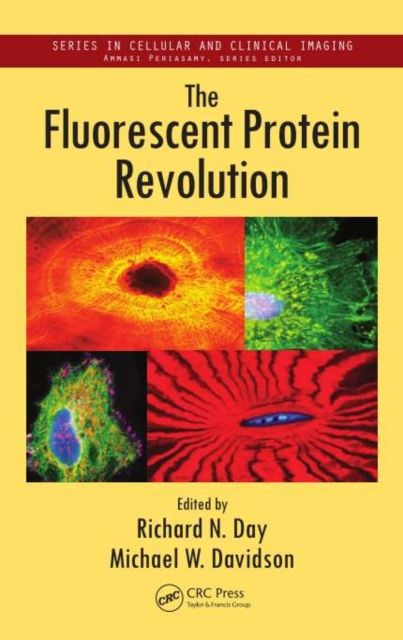
Advances in fluorescent proteins, live-cell imaging, and superresolution instrumentation have ushered in a new era of investigations in cell biology, medicine, and physiology.
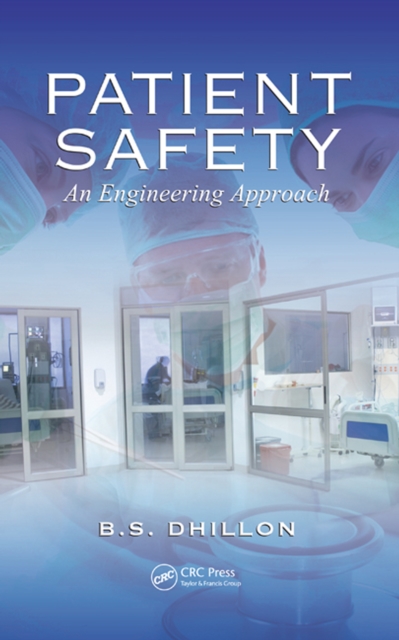
With unintended harm during hospital care costing billions of dollars to the world economy, not to mention millions of deaths each year, it's no wonder the issue is equally front and center in the minds of healthcare providers and the public.
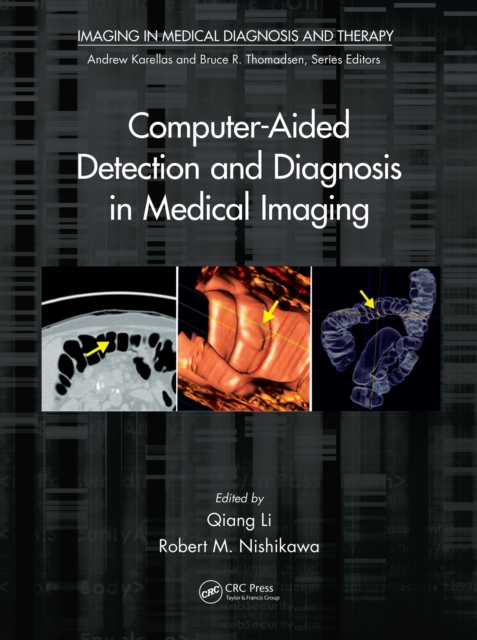
Improve the Accurate Detection and Diagnosis of Cancer and Other DiseasesDespite the expansion of the CAD field in recent decades, there is currently no single book dedicated to the development and use of CAD systems.
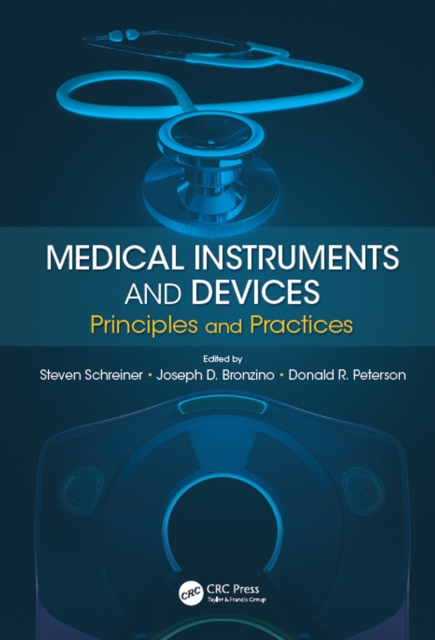
Medical Instruments and Devices: Principles and Practices originates from the medical instruments and devices section of The Biomedical Engineering Handbook, Fourth Edition.
With the rise of advanced computerized data collection systems, monitoring devices, and instrumentation technologies, large and complex datasets accrue as an inevitable part of biomedical enterprise.
Nanomedical Device and Systems Design: Challenges, Possibilities, Visions serves as a preliminary guide toward the inspiration of specific investigative pathways that may lead to meaningful discourse and significant advances in nanomedicine/nanotechnology.
The evolution of technological advances in infrared sensor technology, image processing, "e;smart"e; algorithms, knowledge-based databases, and their overall system integration has resulted in new methods of research and use in medical infrared imaging.
Up-to-Date Details on Using Ultrasound Imaging to Help Diagnose Various DiseasesDue to improvements in image quality and the reduced cost of advanced features, ultrasound imaging is playing a greater role in the diagnosis and image-guided intervention of a wide range of diseases.