Part of the "e;Longman Library of Primary Sources in Philosophy,"e; this edition of Berkeley's Three Dialogues Between Hylas and Philonous is framed by a pedagogical structure designed to make this important work of philosophy more accessible and meaningful for readers.
Part of the "e;Longman Library of Primary Sources in Philosophy,"e; this edition of Berkeley's Three Dialogues Between Hylas and Philonous is framed by a pedagogical structure designed to make this important work of philosophy more accessible and meaningful for readers.
Most academic philosophers and intellectual historians are familiar with the major historical figures and intellectual movements coming out of Scotland in the 18th Century.
Most academic philosophers and intellectual historians are familiar with the major historical figures and intellectual movements coming out of Scotland in the 18th Century.
Aesthetics: A Reader in Philosophy of the Arts, fourth edition, contains a selection of ninety-six readings organized by individual art forms as well as a final section of readings in philosophical aesthetics that cover multiple art forms.
Aesthetics: A Reader in Philosophy of the Arts, fourth edition, contains a selection of ninety-six readings organized by individual art forms as well as a final section of readings in philosophical aesthetics that cover multiple art forms.
A positive assessment of secularism and the possibilities it offers for a genuinely meaningful life without religion Although there is no shortage of recent books arguing against religion, few offer a positive alternative—how anyone might live a fulfilling life without the support of religious beliefs.
The book covers Hume's biographical development; his self appraisal as a 'man of letters'; his philosophical writings with emphasis on their direct and indirect economic content; his self-aware criticism of his approach to the Treatise and the development of his rhetorical understanding of the needs/interests of his readers/potential readers; his rhetorical turn and Ciceronian adjustments to his writing within the genre of the essay, including his two Enquiries; his political essays and his nine essays conventionally classified as economic.
Examining the significance of Kant's account of rational faith, this study argues that he profoundly revises his account of the human will and the moral philosophy of it in his later religious writings.
Examining the significance of Kant's account of rational faith, this study argues that he profoundly revises his account of the human will and the moral philosophy of it in his later religious writings.
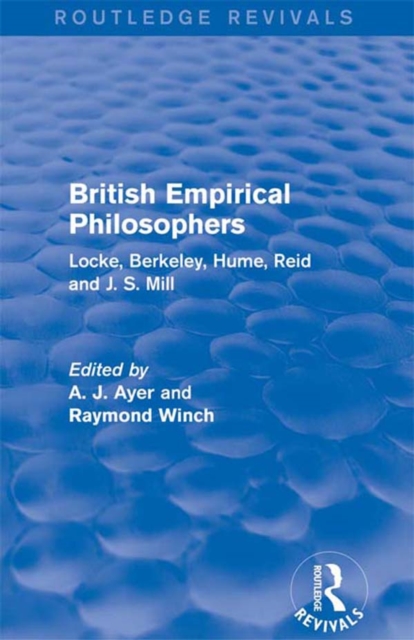
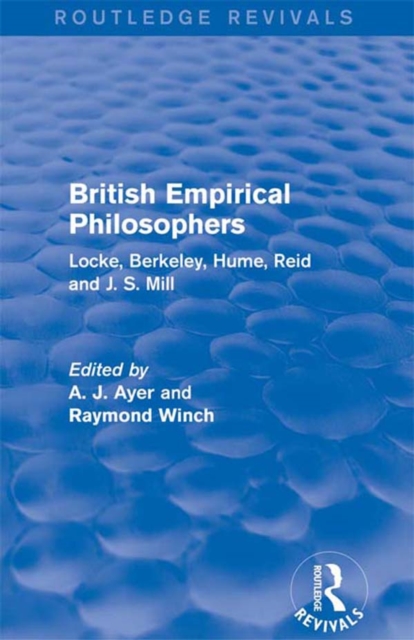
First published in 1952, British Empirical Philosophers is a comprehensive picture of one of the most important movements in the history of philosophic thought.
First published in 1952, British Empirical Philosophers is a comprehensive picture of one of the most important movements in the history of philosophic thought.
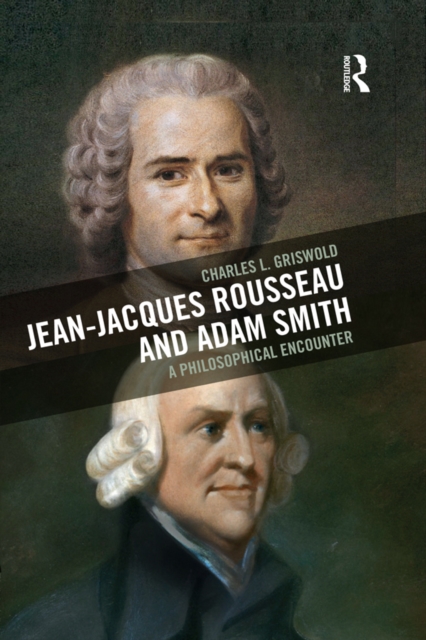
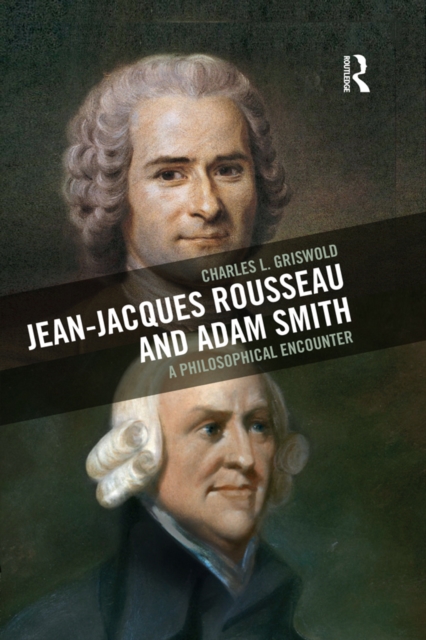
Adam Smith wrote in a Scotland where Calvinism, Continental natural law theory, Stoic philosophy, and the Newtonian tradition of scientific natural theology were key to the intellectual lives of his contemporaries.
Adam Smith wrote in a Scotland where Calvinism, Continental natural law theory, Stoic philosophy, and the Newtonian tradition of scientific natural theology were key to the intellectual lives of his contemporaries.
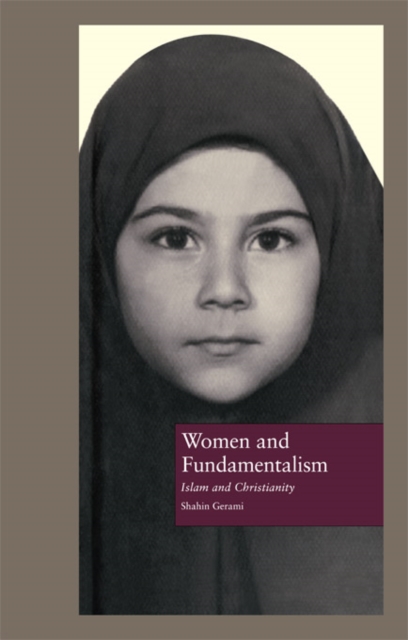
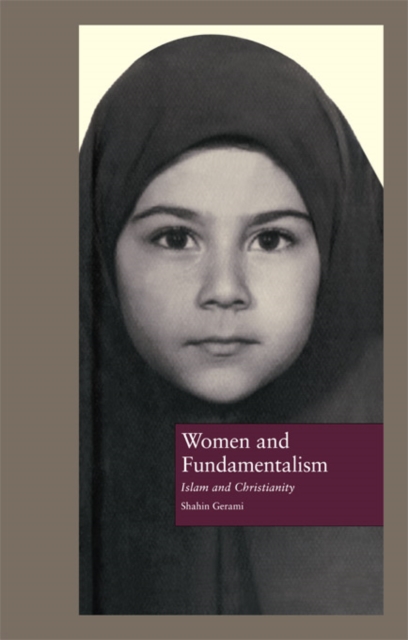
During the past two decades, the surge of religious fundamentalism in the United States and in the Muslim world has resulted in many studies of the status of women and other family issues.
During the past two decades, the surge of religious fundamentalism in the United States and in the Muslim world has resulted in many studies of the status of women and other family issues.
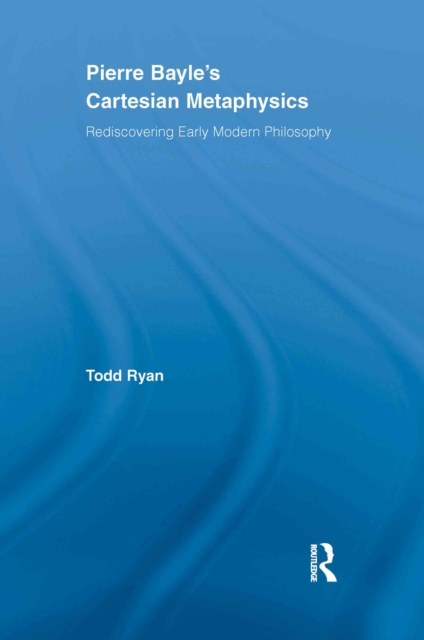
In his magnum opus, the Historical and Critical Dictionary, Pierre Bayle offered a series of brilliant criticisms of the major philosophical and theological systems of the 17th Century.
In his magnum opus, the Historical and Critical Dictionary, Pierre Bayle offered a series of brilliant criticisms of the major philosophical and theological systems of the 17th Century.
Based on the original handwritten manuscript, this book provides a new, accurate edition of Hume's important work, faithful to his original text, marginal notes, and changes.
Based on the original handwritten manuscript, this book provides a new, accurate edition of Hume's important work, faithful to his original text, marginal notes, and changes.