Este libro está compuesto por veinticuatro contribuciones que procuran brindar un panorama amplio de puntos de contacto entre la fenomenología y la tradición filosófica.
Este libro recopila siete estudios que discuten algunas de las aportaciones de Aristóteles, Platón y Sexto Empírico en temas de argumentación filosófica, tiempo, causalidad y escepticismo radical.
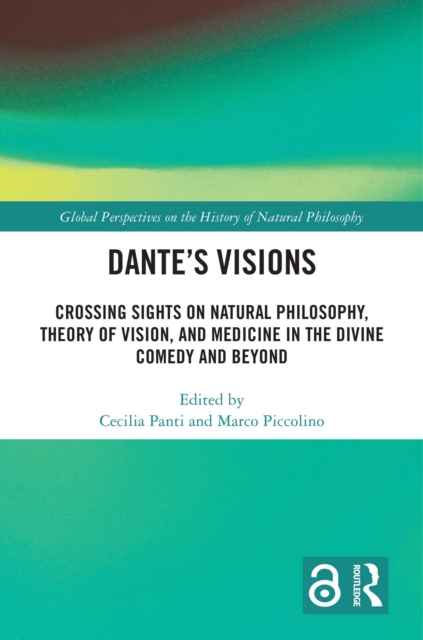
Dantes Visions: Crossing Sights on Natural Philosophy, Theory of Vision, and Medicine in the Divine Comedy and Beyond offers a fascinating insight into Dantes engagement with the science of his time, particularly with visual perception and neurological disorders.
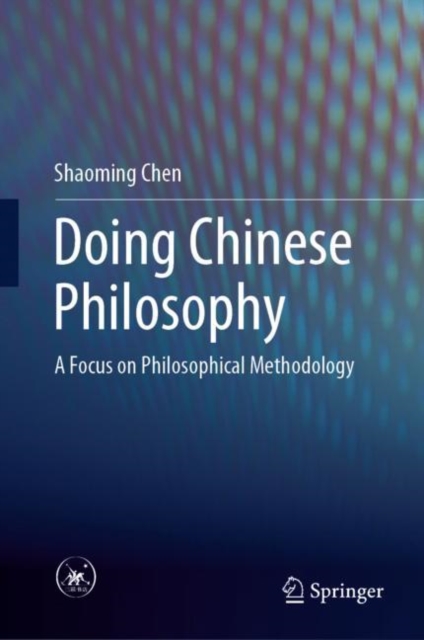
This book focuses on "e;doing Chinese philosophy"e;, the concept of which is a derivative form of Ludwig Wittgenstein's expression "e;doing philosophy"e;.
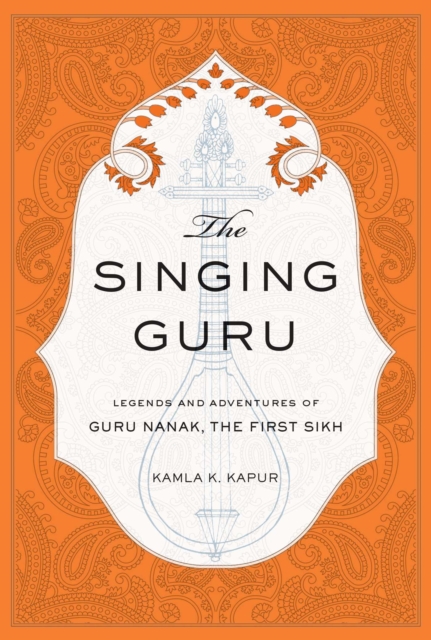
Part fiction, history, and mythology, this unconventional retelling of the life of divine spiritual master Guru Nanak, founder of the Sikh religion and revered by Muslims and Hindus alike, provides an intimate look at the enlightened Guru while bringing his ancient wisdom to a modern audience.
Happiness, Justice, and Freedom: The Moral and Political Philosophy of John Stuart Mill delves deeply into Mill's ethical and political theories, arguing that his ideas form a cohesive and robust philosophical framework.
This book focuses on "e;doing Chinese philosophy"e;, the concept of which is a derivative form of Ludwig Wittgenstein's expression "e;doing philosophy"e;.
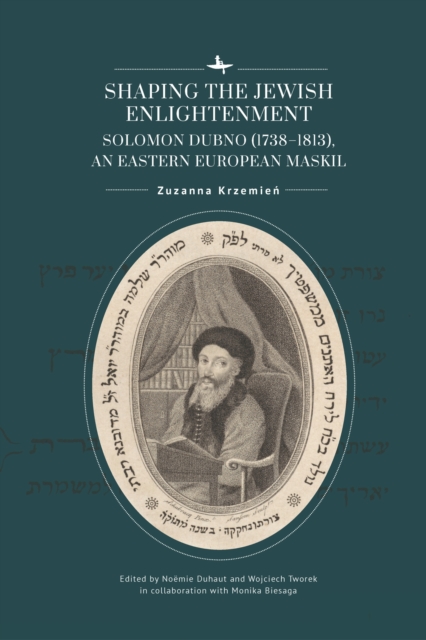
Drawing from diverse multilingual sources, Krzemie delves into Solomon Dubno's life (17381813), unraveling complexities of the Haskalah movement's ties to Eastern European Jewish culture.
In den Mittelpunkt der Schrift stellt Nicolaus Cusanus die Figur eines Laien (idiota), der – als Gegenpol zum universitär ausgebildeten Philosophen – den einfachen Ungebildeten und damit die wahre Weisheit repräsentiert, die dem Geist des Menschen und seinen Potentialen entspricht.
Karl Marx is one of the most influential philosophers of all time, whose theories have shaped and directed political, economic, and social thought for 150 years.
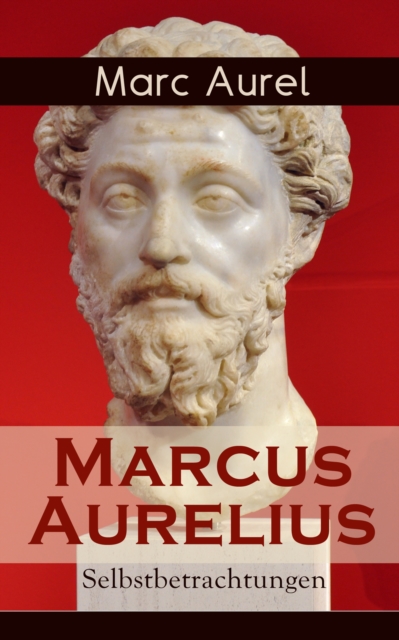
Dieses eBook: "Marcus Aurelius: Selbstbetrachtungen" ist mit einem detaillierten und dynamischen Inhaltsverzeichnis versehen und wurde sorgfältig korrekturgelesen.
Die Frage, wie wissenschaftliche Schöpfungen durch Prozesse der Gestaltung entstehen und wie sie in der Gestaltung der Welt, im Guten wie im Schlechten, zum Tragen kommen, ist für manche Disziplinen zentral, für andere kann sie eine sinnvolle Horizonterweiterung darstellen.
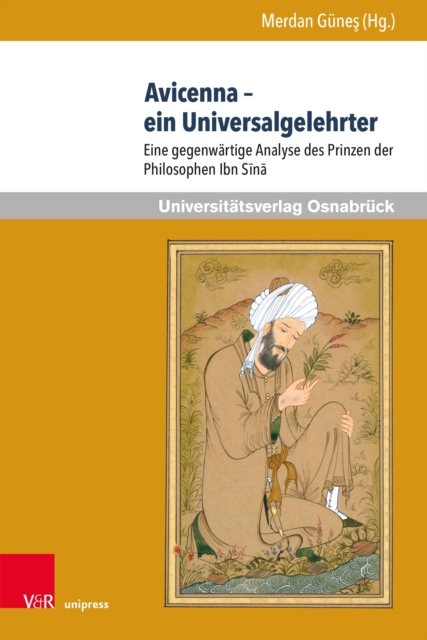
Avicenna war ein außerordentliches Genie, der sich nicht nur als Philosoph, Astronom, Mediziner, Physiker, Politiker, Dichter, Jurist und Mathematiker betätigte, sondern den erwähnten Disziplinen auch zu neuer Blüte verhalf.
Anhand des absoluten Idealismus der Mitwissenschaft formuliert Michael Hackl einen Freiheitsbegriff, der lehrt, welche Verantwortung wir gegenüber Natur und Geist haben.
In der aktuellen sprachphilosophischen Debatte um die Semantik/Pragmatik-Unterscheidung bezieht die Autorin gegen eine kontextualistische und zugunsten einer minimalistischen Position Stellung, der zufolge der genuin semantische Gehalt eines geäußerten Satzes nicht von Sprecherintentionen abhängt, sondern allein unter Rekurs auf die konventionelle Bedeutung der verwendeten Ausdrücke und die Regeln ihrer Komposition bestimmt wird.
The book is divided into two parts, namely, "e;Japanese Philosophy: Teaching and Research in the Global World;"e; and "e;Japanese Philosophy as an Academic Discipline.
Mit seinem De rerum natura will der römische Dichter Lukrez das gesamte Universum von der kleinsten Bewegung der Atome bis zum kosmischen Großereignis in einen Text bannen.
Die Erfindung des Werwolfs - Wandlung, Gestalt und sanguinTauchen Sie ein in die faszinierende Welt der Bestien und Legenden mit dem Buch ›Die Erfindung des Werwolfs‹.
Arch "e;Cherry Dream"e; handler from raised persons Claudia, and successfully forretningskvinde, the pa and forretningsrejse uventet moder Marco, and mand, the har and dye forbindelse til kirsebaer.
Drawing on poststructuralist frameworks, this book examines the way to a radical acceptance of daily discontinuities and difference as it allows us to embrace life in the postmodern world.