First published in 1949, The Misinterpretation of Man traces the deeper roots of the ideas which found their most striking and disastrous expression in German National Socialism.
First published in 1949, The Misinterpretation of Man traces the deeper roots of the ideas which found their most striking and disastrous expression in German National Socialism.
This volume considers the exchange between the Neo-Kantian tradition in German philosophy and the sciences from the last third of the nineteenth century to the Great war and partly beyond.
Drawing on poststructuralist frameworks, this book examines the way to a radical acceptance of daily discontinuities and difference as it allows us to embrace life in the postmodern world.
Mit seiner Kritik an der Zivilisation, seiner Infragestellung von sozialen Hierarchien, seiner Verachtung von Reichtümern und seiner radikalen Askese bot der Kynismus dem frühen Christentum der ersten Jahrhunderte diverse Berührungspunkte.
Im Ion stellt der jugendliche Platon eine Seite des historischen Sokrates dar, die in den Dialogen, die nach dessen Verurteilung und Hinrichtung verfasst sind, nicht mehr zentrales Thema ist.
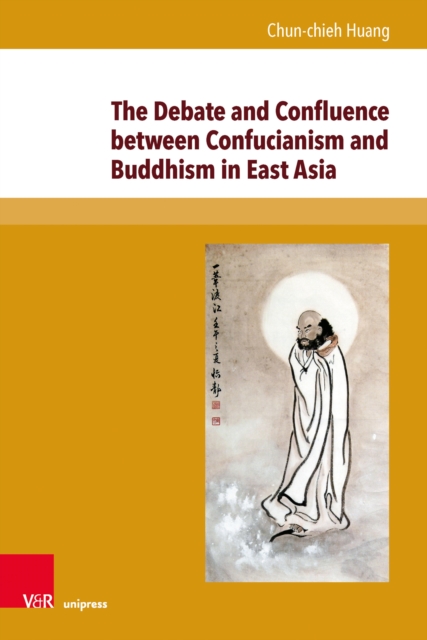
After the arrival of Buddhism toward the end of the Eastern Han dynasty (25-220), Buddhism found itself in a fierce conflict with indigenous Chinese thought.
"e;Detours"e; explores the reception of Kant's works in Vienna, Austria and Eastern Europe from a historical point of view and focuses on six topics: Kant and Censorship, Kant and Karl Leonhard Reinhold, who was the first Kantian born in Vienna and became a precursor for German and Austrian Kant reception in Jena, Kant and Eastern Europe, Kant and his Poets, Kant and Phenomenology and Kant and the Vienna Circle.
In Prentice Mulford's novel, 'The Swamp Angel,' readers are taken on a journey through the murky waters of a deep, mystical swamp where supernatural forces collide with human desires.
The latter half of the nineteenth and the early part of the twentieth century witnessed a remarkable resurgence of interest in Kant's philosophy in Continental Europe, the effects of which are still being felt today.
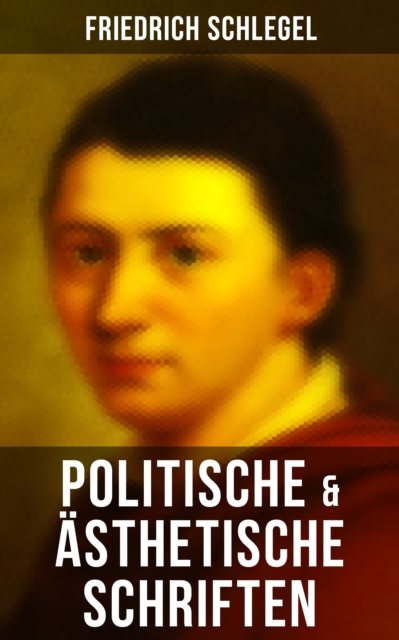
Friedrich Schlegel, einer der führenden Köpfe der deutschen Romantik, präsentiert in 'Friedrich Schlegel: Politische & Ästhetische Schriften' eine Sammlung seiner bedeutendsten Werke.
Mark Aurel (121-180), auch Marc Aurel oder Marcus Aurelius, war von 161 bis 180 römischer Kaiser und als Philosoph der letzte bedeutende Vertreter der jüngeren Stoa.
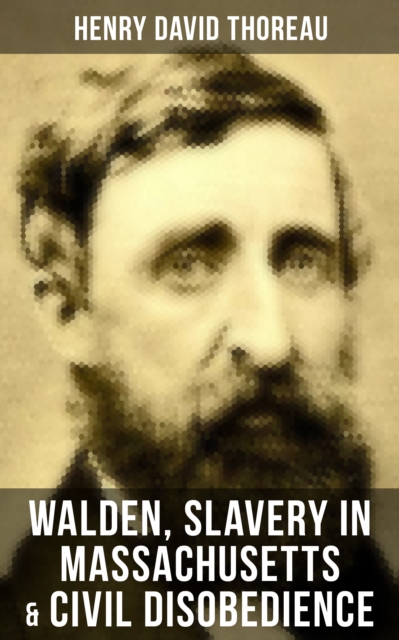
In Henry David Thoreau's 'Walden, Slavery in Massachusetts & Civil Disobedience', Thoreau explores themes of simple living, self-sufficiency, and environmental consciousness.
This book presents the foundations of classical Chinese aesthetic discourse - roughly from the Bronze Age to the early Middle Ages - with the following animating questions:What is art?
Remapping Biology with Goethe, Schelling, and Herder recruits a Romantic philosophy of biology into contemporary debates to both integrate the theoretical implications of ecology, evolution, and development, and to contextualize the successes of the Modern Evolutionary Synthesis's gene's-eye-view of biology.
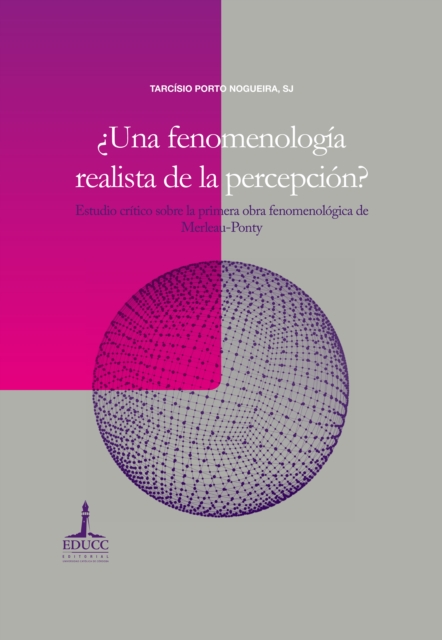
El libro propone un abordaje de la Fenomenología de la percepción desde la primera obra fenomenológica de Merlau-Ponty recuperando el concepto aristotélico de sensación como respuesta a posibles inconsistencias en el pensamiento del autor.
Die Hegel-Studien wurden 1961 in Verbindung mit der Hegel-Kommission der Deutschen Forschungsgemeinschaft begründet und entstanden im engen Zusammenhang mit der Arbeit an der historisch-kritischen Gesamtausgabe Georg Wilhelm Friedrich Hegel, Gesammelte Werke.