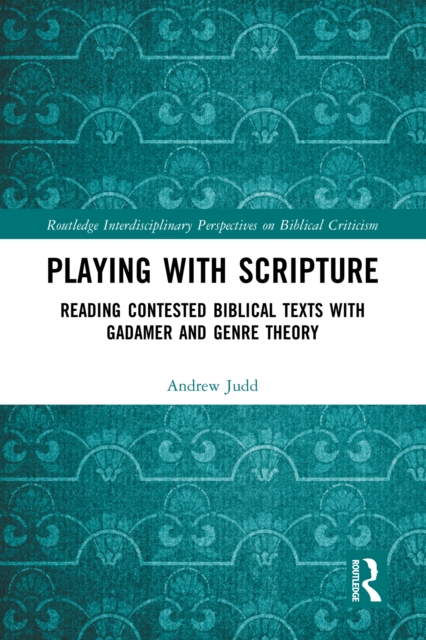
This book puts a creative new reading of Hans-Georg Gadamer's philosophical hermeneutics and literary genre theory to work on the problem of Scripture.
The many discussions of power, from ancient India, China, through modern writers such as Nietzsche, theologies, ending up with postmodern essayists, locating power in discourses, there is hardly any hint why this theme became so prevalent.
This volume contains for the first time in English, Jan Patocka's seminal essay "e;The Phenomenology of Afterlife"e;, as well as contributions surrounding and analyzing this text.
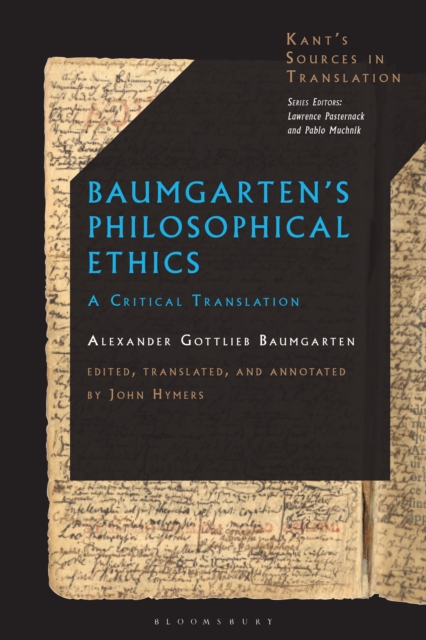
Alexander Baumgarten's Ethica Philosophica (1740) served as a chief textbook of philosophical instruction in German universities for several decades, and was used by Immanuel Kant for his lectures on moral philosophy between 1759 and 1794.
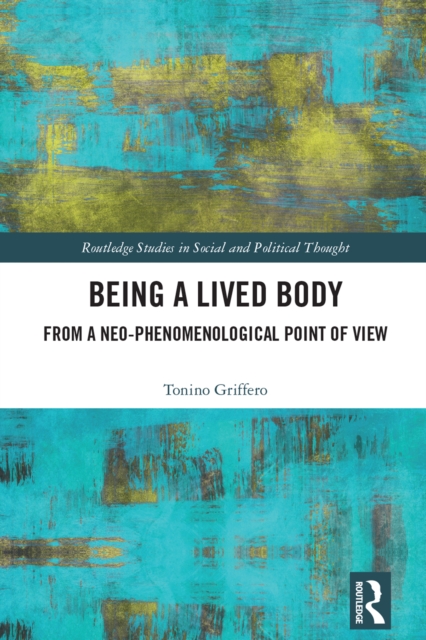
This book begins with the distinction between the so-called lived body or felt body (Leib) and the physical body (Korper), tracing the conceptual history of this distinction through key figures in philosophical and social thoughts and articulating a theory of the lived body that draws on the New Phenomenology developed by Hermann Schmitz.
Alexander Baumgarten's Ethica Philosophica (1740) served as a chief textbook of philosophical instruction in German universities for several decades, and was used by Immanuel Kant for his lectures on moral philosophy between 1759 and 1794.
This volume contains for the first time in English, Jan Patocka's seminal essay "e;The Phenomenology of Afterlife"e;, as well as contributions surrounding and analyzing this text.
Zwiegespräche im Schatten der WeltgeschichteDie Korrespondenz der Meisterschülerin mit dem Erzieher – »der einzige, den ich je habe anerkennen können« – ist das große Zeugnis einer Seelenverwandschaft.
This book puts a creative new reading of Hans-Georg Gadamer's philosophical hermeneutics and literary genre theory to work on the problem of Scripture.
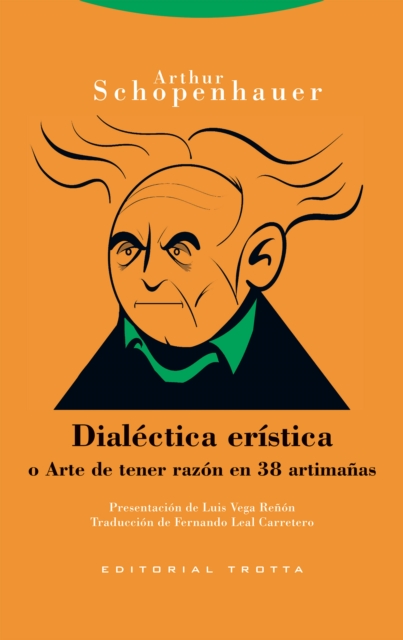
Arthur Schopenhauer fue un espíritu libre, famoso por su talante polemista y su perspicacia discursiva para discernir en el terreno de la discusión no solo artimañas y argucias sino adversarios incompetentes.
This volume offers an innovative exploration of Western social and religious thought and bridges the expression of a regional imagination with several planetary conversations.
This book provides an account of the Triune God that attempts to offer remedy to the problems of current theological and philosophical interpretations by returning to and developing the intuitions and solutions put forward in the Patristic tradition and Plotinus' philosophy.
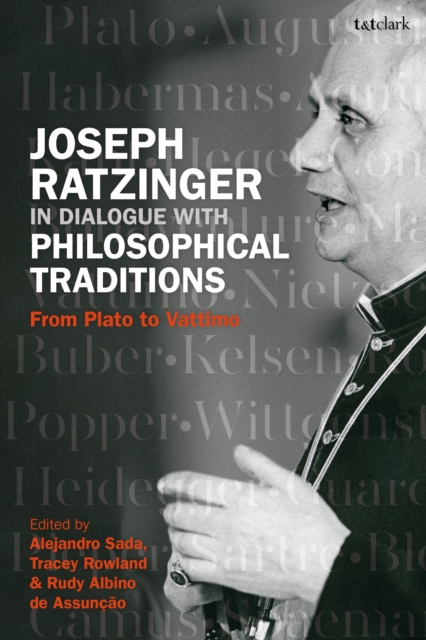
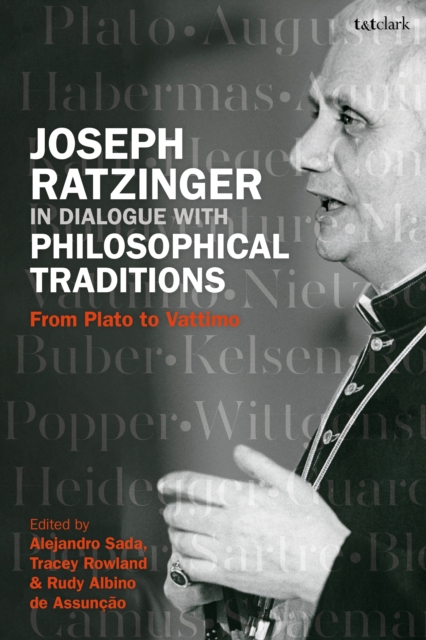
This book extensively explores the various influences and connections between Joseph Ratzinger and a number of leading philosophers; engaging with his work by means of Spanish, Portuguese, German, and English schools of thought through the contributions of a global body of scholars.
This book extensively explores the various influences and connections between Joseph Ratzinger and a number of leading philosophers; engaging with his work by means of Spanish, Portuguese, German, and English schools of thought through the contributions of a global body of scholars.