Kaum ein Text Sartres trug so sehr zur Verbreitung seines Denkens bei wie "Der Existentialismus ist ein Humanismus", doch kaum einer war zugleich so vielen Mißverständnissen ausgesetzt.
Der weltberühmte Schriftsteller und Philosoph erzählt hier mit der Ironie eines Mannes, der alle Lügen seines Zeitalters und alle Illusionen, auch die eigenen, durchschaut hat, die Geschichte seiner Jugend.
Ob unscheinbarer Alltagsgegenstand oder gehüteter Kunstschatz – die in diesem Buch vorgestellten Objekte haben Geschichte und machen Geschichte erzählbar.
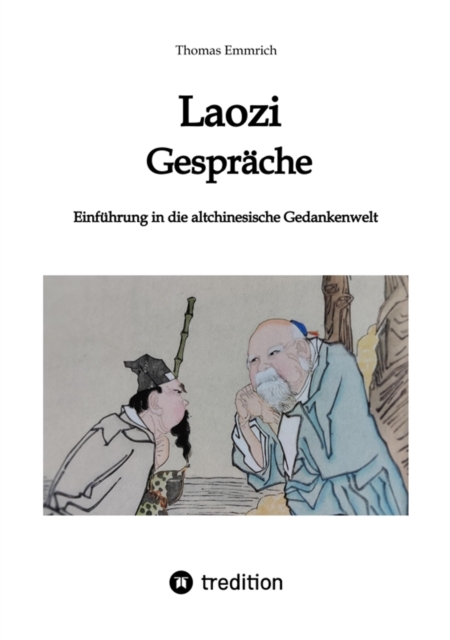
Alte chinesische Philosophie in ihrer überwältigenden VielfaltLaozi lässt uns an seinen einundachtzig nicht ganz frei erfundenen Gesprächen mit mehr oder weniger bekannten Zeitgenossen teilhaben.
First published in 1961, The Moulding of Modern Man discusses views of the nature and boundaries of the Self, its relation to the physical world and to human beings, real and imagined, with reference to procedures training 'space men' to travel alone or in company, deprived of the assurances of sight, sound, even weight.
1927 begann Walter Benjamin anlässlich eines mehrmonatigen Paris-Aufenthalts mit seinen Überlegungen zu den Pariser Passagen, seinem ambitioniertesten, als Geschichtsphilosophie des 19.
Este tratado analiza la violencia religiosa, terrorista, nacionalista y amoro- sa, así como la carga agresiva latente en el amor por la divinidad, la nación, la pareja o la humanidad.
This collection of essays explores the resilience and relevance of an ancient yet still vital teaching, Confucianism, for the century ahead and beyond, finding in its many dimensions insights meaningful for the personal, ethical, socio-economic, and political challenges facing the global community and its best interests.
Dieses eBook: "Die Geisteswissenschaften - Grundlegung für das Studium der Gesellschaft und ihrer Geschichte" ist mit einem detaillierten und dynamischen Inhaltsverzeichnis versehen und wurde sorgfältig korrekturgelesen.
"Geschichte der Philosophie" von Karl Vorländer zählt zu den bedeutenden deutschsprachigen Gesamtdarstellungen der Philosophiegeschichte und bietet einen umfassenden Überblick über die Entwicklung des philosophischen Denkens von der Antike bis zur Moderne.
"Detours" explores the reception of Kant's works in Vienna, Austria and Eastern Europe from a historical point of view and focuses on six topics: Kant and Censorship, Kant and Karl Leonhard Reinhold, who was the first Kantian born in Vienna and became a precursor for German and Austrian Kant reception in Jena, Kant and Eastern Europe, Kant and his Poets, Kant and Phenomenology and Kant and the Vienna Circle.
This volume is based on the ongoing studies on post-Avicennian philosophy in the context of naturalising philosophy and science in Islam from the 12th to the 14th century - a topic that deserves the special attention of historians of Islamic intellectual history.
'Fascinating and important' Natalie Haynes, author of Stone Blind 'Monumental and vividly imagined' DAILY TELEGRAPH 'Wonderfully entertaining' SUNDAY TIMES A SUNDAY TIMES AND TLS BOOK OF THE YEAR On a sparsely populated Egyptian coastline, Alexander the Great sketched his vision of a metropolis into the sand.
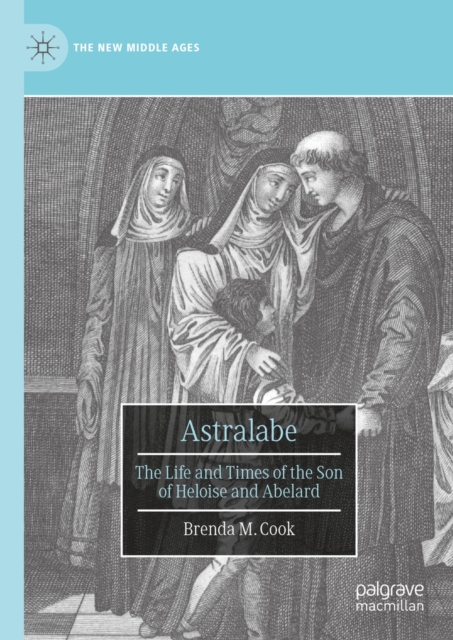
Two of the most notable figures from the Middle Ages-the volatile, brilliant Abelard and the equally brilliant Heloise-became the parents of their son Astralabe before Abelard's infamous, brutal castration.
Wittgenstein's Folly: Philosophy, Psychoanalysis and Language Games presents a dialogue between the philosopher Ludwig Wittgenstein, the author Francoise Davoine and Davoine's patients with extreme lived experience.
Wittgenstein's Folly: Philosophy, Psychoanalysis and Language Games presents a dialogue between the philosopher Ludwig Wittgenstein, the author Francoise Davoine and Davoine's patients with extreme lived experience.
This book describes the international effort to give order to colours and thus facilitate communication about it, two topics deemed essential to a modernising world that were also recognizably complex.
Bringing together Edmund Husserl, Martin Heidegger and Jan Patocka, this book provides a comprehensive examination of the central role that questioning plays in phenomenology.
The essays in this collection explore various various models of representing temporality in ancient Greek and Roman literature to elucidate how structures of time communicate meaning, as well as the way that the cultural impact of measured time is reflected in ancient texts.
Das breite Themenspektrum der 16 Schriften dieses Bandes spiegelt die geistigen und gesellschaftlichpolitischen Auseinandersetzungen, an denen Jacobi wie wenig andere teilgenommen hat.
Die Heroischen Leidenschaften, De gl'heroici furori, sind der letzte der in italienischer Sprache geschriebenen Dialoge Brunos, die sämtlich zwischen 1583 und 1585 in England verfasst wurden.
This book describes the international effort to give order to colours and thus facilitate communication about it, two topics deemed essential to a modernising world that were also recognizably complex.
Two of the most notable figures from the Middle Ages-the volatile, brilliant Abelard and the equally brilliant Heloise-became the parents of their son Astralabe before Abelard's infamous, brutal castration.