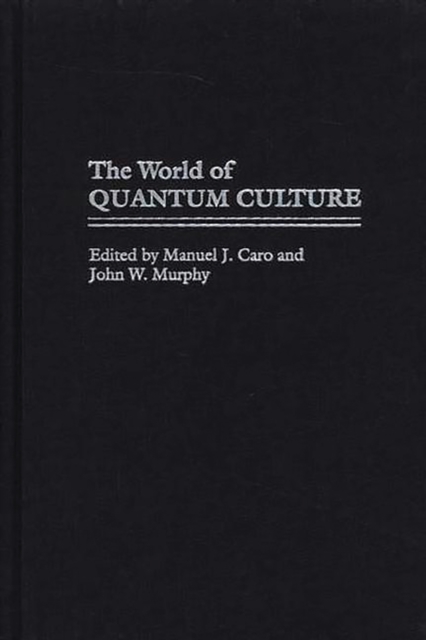
Caro and Murphy introduce the philosophy of Quantum Aesthetics-a theoretical framework developed by Spanish-language theorists that has spread throughout the world in the last three years-to an English-speaking audience.
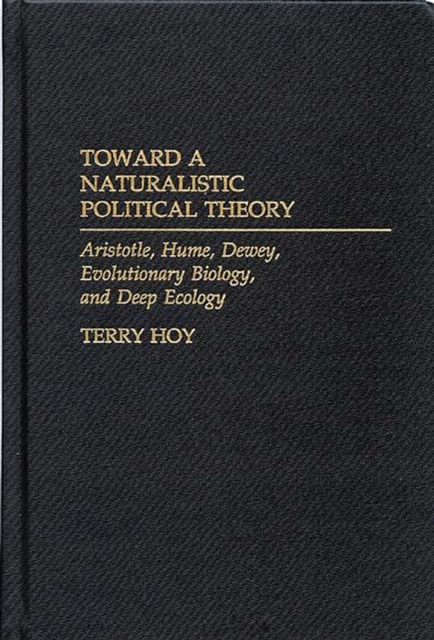
Hoy establishes a basis for a naturalistic political theory that can be sustained as a continuity from Aristotle through the Enlightenment and post-Enlightenment contributions of David Hume, John Dewey, Evolutionary Biology, and Deep Ecology.
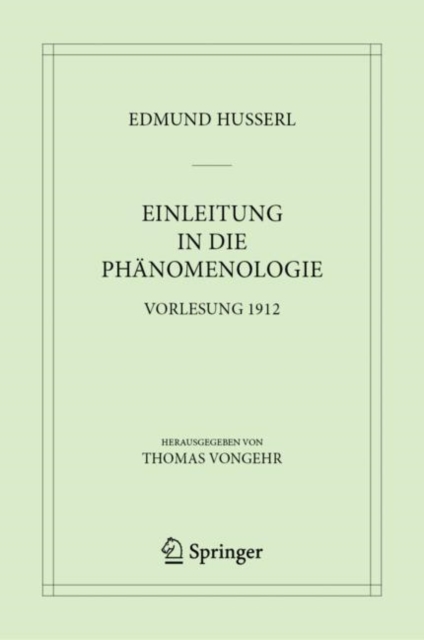
Der vorliegende Band enthält den Text der zweistündigen Vorlesung, die Husserl im Sommersemester 1912 unter dem Titel „Einleitung in die Phänomenologie“ in Göttingen gehalten hat.
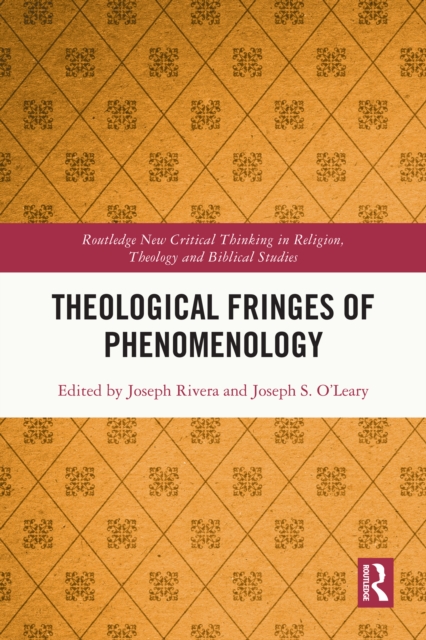
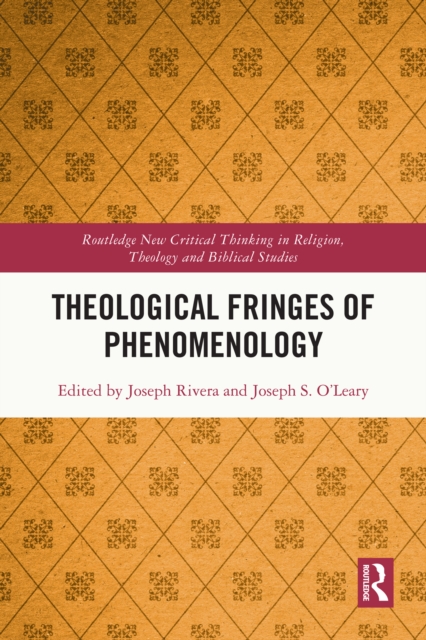
This book focuses on the relationships between phenomenology and theology, which have been varied and complex but seem currently in an inconclusive and loosely defined state.
This book focuses on the relationships between phenomenology and theology, which have been varied and complex but seem currently in an inconclusive and loosely defined state.
This volume provides a geographically and historically diverse overview of philosophical traditions that establish a deep connection between truth and practice, or even see truth itself as a kind of practice.
This volume provides a geographically and historically diverse overview of philosophical traditions that establish a deep connection between truth and practice, or even see truth itself as a kind of practice.
Javier Peteiro Cartelle, un científico que ha hecho un esfuerzo encomiable por devolverle a la ciencia la dignidad que la degradación histórica generalizada ha producido en el registro de la verdad, nos ofrece en este libro una selección de textos que se ocupan de la actualidad en la que vivimos y sobrevivimos, hechos desde la perspectiva de la ciencia, la literatura, la poesía, y la fe.
Method and Metaphysics presents twenty-six essays in ancient philosophy by Jonathan Barnes, one of the most admired and influential scholars of his generation.
To form a truer portrait of Northeast Asian perspectives on modernity, this book presents a broad range of analyses from philosophical and political-philosophical scholars specializing in the region.
Postfoundational Approaches to Qualitative Inquiry is an edited collection that aims to move beyond a critique and deconstruction of method in order to present an engagement with various postfoundational frameworks and approaches that produce new concepts and enactments.
Postfoundational Approaches to Qualitative Inquiry is an edited collection that aims to move beyond a critique and deconstruction of method in order to present an engagement with various postfoundational frameworks and approaches that produce new concepts and enactments.
To form a truer portrait of Northeast Asian perspectives on modernity, this book presents a broad range of analyses from philosophical and political-philosophical scholars specializing in the region.
This volume offers an accessible investigation of the Naassene discourse embedded in the anonymous Refutation of All Heresies (completed about 222 CE), in order to understand the theology and ritual life of the Naassene Christian movement in the late second and early third centuries CE.
This volume offers an accessible investigation of the Naassene discourse embedded in the anonymous Refutation of All Heresies (completed about 222 CE), in order to understand the theology and ritual life of the Naassene Christian movement in the late second and early third centuries CE.