This volume reinterprets Hegelian dialectics via an exploration of the two origins of dialectics and illuminates how they constitute the inner tension at the heart of the philosophical system, developing into the forms of thought that fashion the history of western philosophy.
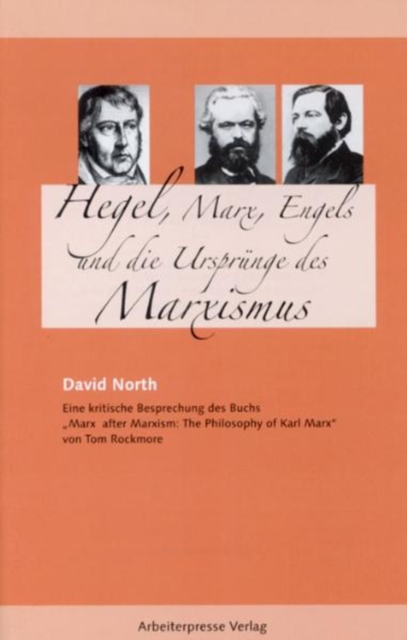
This volume explores the unity of logic, epistemology and ontology in Hegel's dialectic and the interrelation among the three, thereby revealing the internal features of Hegel's dialectic as well as the connection and divergence between Hegel's and Marx's philosophical thought.
This volume explores the unity of logic, epistemology and ontology in Hegel's dialectic and the interrelation among the three, thereby revealing the internal features of Hegel's dialectic as well as the connection and divergence between Hegel's and Marx's philosophical thought.
Focusing on the self-negation and reflective forms of Hegel's dialectics, and representing the spirit of nous and logos respectively, this volume explores core functions in the subjectivity, free spirit and practicality of Hegelian dialectics.
Focusing on the self-negation and reflective forms of Hegel's dialectics, and representing the spirit of nous and logos respectively, this volume explores core functions in the subjectivity, free spirit and practicality of Hegelian dialectics.
This volume reinterprets Hegelian dialectics via an exploration of the two origins of dialectics and illuminates how they constitute the inner tension at the heart of the philosophical system, developing into the forms of thought that fashion the history of western philosophy.
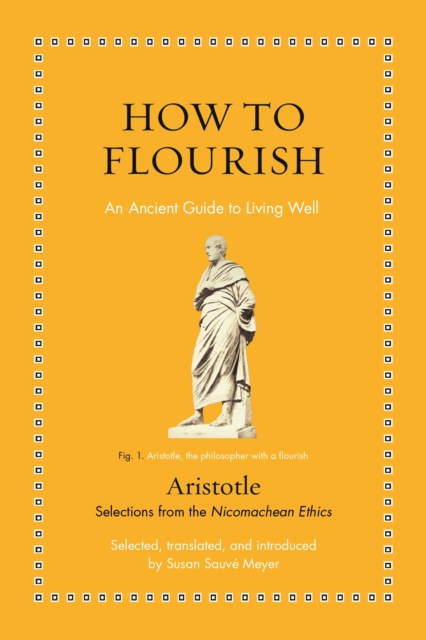
Aristotle's essential guide to human flourishing-the Nicomachean Ethics-in a lively new abridged translationAristotle's Nicomachean Ethics is one of the greatest guides to human flourishing ever written, but its length and style have left many readers languishing.
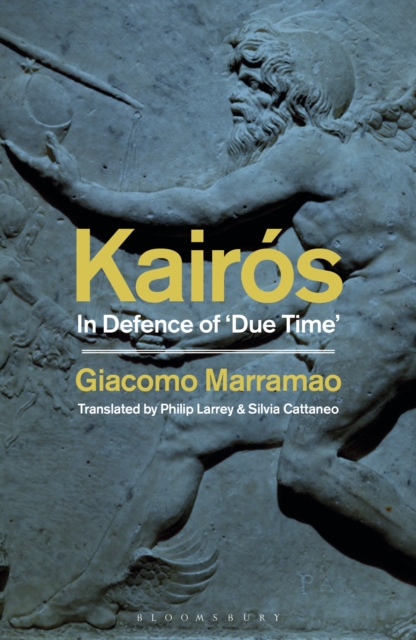
Shedding new light on the fundamental philosophical problem of time, leading Italian philosopher Giacomo Marramao offers a solution to today's 24/7 culture.
Le Projet Colibri : Créer à partir de "rien" vient de la légende Amérindienne du colibri qui a inspiré Wangari Maathai, première femme africaine à recevoir le prix Nobel de la paix.
Ausgehend von der These, dass es sich bei der politischen Lyrik der Gegenwart vor allem um eine Lyrik des Politischen, eine lyrische Streitkultur handelt, wird in „Lyrische Agonistik.
First published in 1977, Georg Lukacs gives an outline of Lukacs' views and explains how they are related to the relevant cultural traditions of his epoch.
First published in 1977, Georg Lukacs gives an outline of Lukacs' views and explains how they are related to the relevant cultural traditions of his epoch.
In showing how the great philosophers of human history lived and thought and what they thought about Peter Cave provides an accessible and enjoyable introduction to thinking philosophically and how it can change our everyday lives.
In the nineteenth century, Charles Dickens backed the cause of abolition of the death penalty and wrote comprehensively about it, in public letters and in his novels.
In the nineteenth century, Charles Dickens backed the cause of abolition of the death penalty and wrote comprehensively about it, in public letters and in his novels.
In showing how the great philosophers of human history lived and thought and what they thought about Peter Cave provides an accessible and enjoyable introduction to thinking philosophically and how it can change our everyday lives.
THE NEW YORK TIMES BESTSELLER***AS READ ON RADIO 4***The bestselling, prizewinning author of How to Live and At the Existentialist Caf explores 700 years of writers, thinkers, scientists and artists, all trying to understand what it means to be truly human.
This collection of guided meditations from eighteenth-century Tibet harnesses elements of tantric visualization to induce realizations while contemplating the steps on the path to buddhahood.
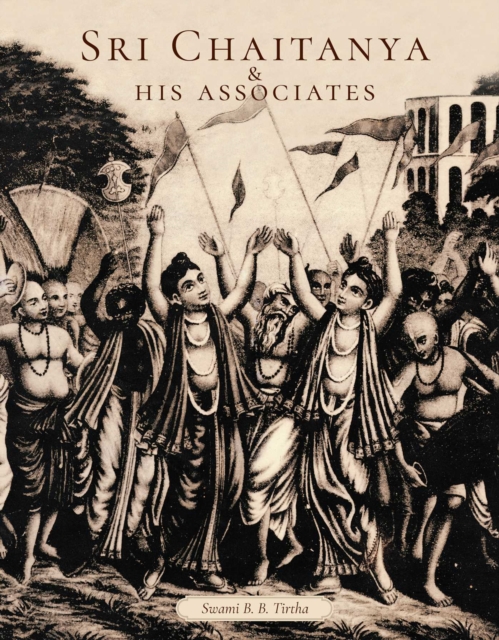
"e;In this jewel-like volume, the venerable Tirtha Maharaja recounts the nectarean activities of the associates of Lord Gauranga and the acharyas of the Gaudiya Vaishnava religion.
This edited volume presents papers on this alternative philosophy of biology that could be called “continental philosophy of biology,” and the variety of positions and solutions that it has spawned.