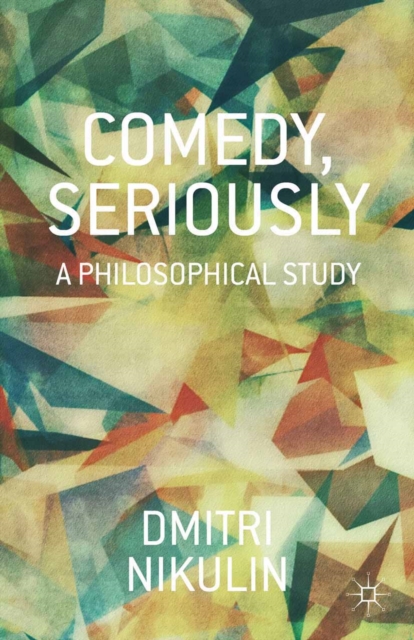
Comedy, Seriously provides a philosophical interpretation of comedy and argues that comedy displays a particular kind of rationality that reflects philosophical thinking.
If one believes the French philosopher Gilles Deleuze, Alfred North Whitehead's work is one of the most important events in the exploration of the universes of thought in recent times.
This volume presents a novel, international research study that reconceptualizes schizophrenia through an investigation of ways in which the first-hand experiences of those with a diagnosis differ from conventional diagnostic definitions.
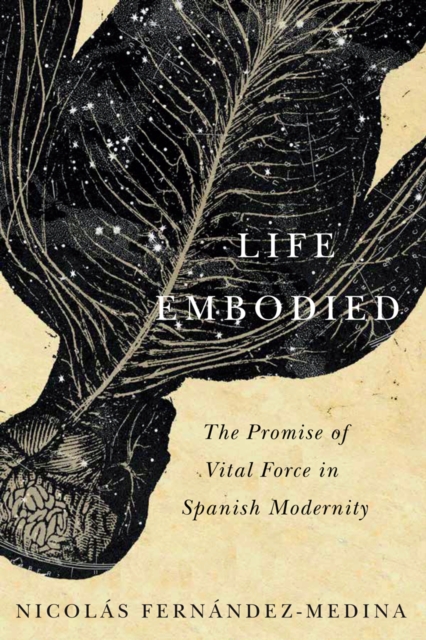
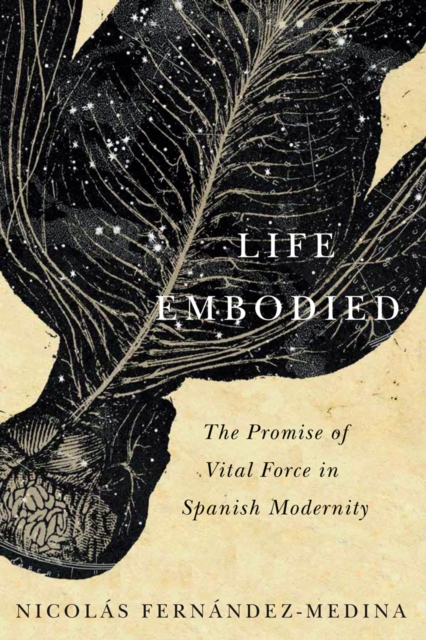
The concept of vital force - the immanent energy that promotes the processes of life in the body and in nature - has proved a source of endless fascination and controversy.
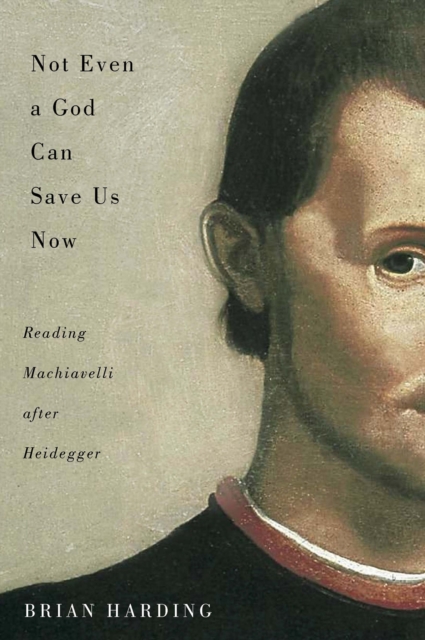
The interplay between violence, religion, and politics is a central problem for societies and has attracted the attention of important philosophers, including Martin Heidegger, Jacques Derrida, and Rene Girard.
In this unique and exhilarating autobiography, Allan Jones - Canada's first blind diplomat - vividly describes how an untreatable eye disease slowly decimated his visual world, most challengingly during his postings in Tokyo and New Delhi, and how he discovered and took to heart the revelatory Indian philosophy that changed his life.
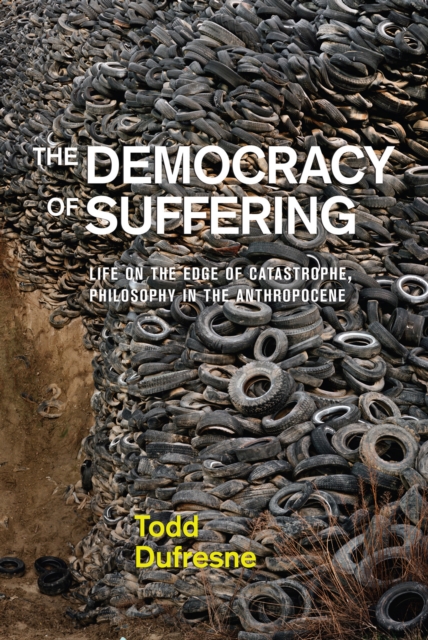
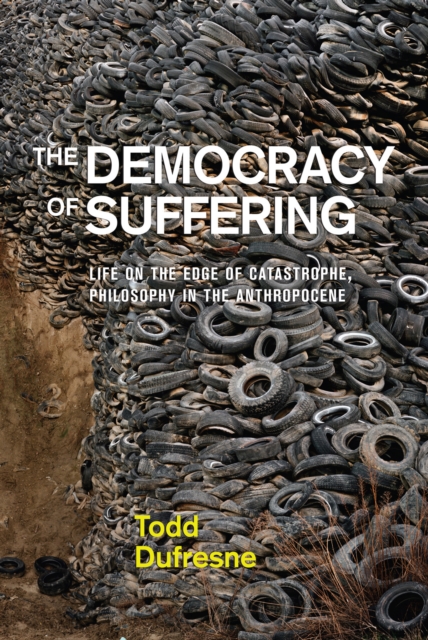
In The Democracy of Suffering philosopher Todd Dufresne provides a strikingly original exploration of the past, present, and future of this epoch, the Anthropocene, demonstrating how the twin crises of reason and capital have dramatically remade the essential conditions for life itself.
The concept of vital force - the immanent energy that promotes the processes of life in the body and in nature - has proved a source of endless fascination and controversy.
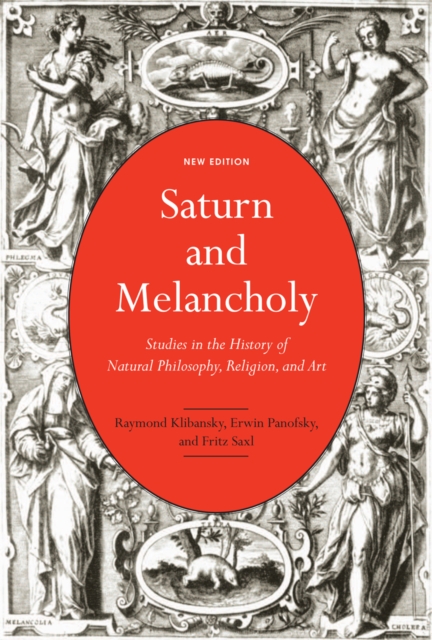
Saturn and Melancholy remains an iconic text in art history, intellectual history, and the study of culture, despite being long out of print in English.
In Praise of Natural Philosophy argues for a transformation of both science and philosophy, so that these two distinct domains of thought become one: natural philosophy.
In The Democracy of Suffering philosopher Todd Dufresne provides a strikingly original exploration of the past, present, and future of this epoch, the Anthropocene, demonstrating how the twin crises of reason and capital have dramatically remade the essential conditions for life itself.
In Praise of Natural Philosophy argues for a transformation of both science and philosophy, so that these two distinct domains of thought become one: natural philosophy.
In this unique and exhilarating autobiography, Allan Jones - Canada's first blind diplomat - vividly describes how an untreatable eye disease slowly decimated his visual world, most challengingly during his postings in Tokyo and New Delhi, and how he discovered and took to heart the revelatory Indian philosophy that changed his life.
The interplay between violence, religion, and politics is a central problem for societies and has attracted the attention of important philosophers, including Martin Heidegger, Jacques Derrida, and Rene Girard.
DescriptionIn this remarkable book, Paramahansa Yogananda reveals the hidden yoga of the Gospels and confirms that Jesus, like the ancient sages and masters of the East, not only knew yoga but taught this universal science of God-realization to his closest disciples.
This book examines the significance and meaning of undergraduate online learning using a hermeneutic phenomenological study, asking what is lost when there is no face-to-face contact and exploring the essence of technology itself.
This book examines the significance and meaning of undergraduate online learning using a hermeneutic phenomenological study, asking what is lost when there is no face-to-face contact and exploring the essence of technology itself.
As a German philosopher, cultural critic, composer, poet, philologist, and scholar of Latin and Greek, Friedrich Wilhelm Nietzsche has exerted a profound influence on modern intellectual history.
Plato's Symposium depicts a group of men giving a series of speeches about the nature of love, with themes ranging from religion and metaphysics to medicine and pregnancy.
As a German philosopher, cultural critic, composer, poet, philologist, and scholar of Latin and Greek, Friedrich Wilhelm Nietzsche has exerted a profound influence on modern intellectual history.
Literature utters the unutterable, not through logic, not through science, not through argument, but through a pitch of eloquence so pronounced the conscientious reader cannot fail to pay attention.
Literature utters the unutterable, not through logic, not through science, not through argument, but through a pitch of eloquence so pronounced the conscientious reader cannot fail to pay attention.
Plato's Symposium depicts a group of men giving a series of speeches about the nature of love, with themes ranging from religion and metaphysics to medicine and pregnancy.
This volume presents a novel, international research study that reconceptualizes schizophrenia through an investigation of ways in which the first-hand experiences of those with a diagnosis differ from conventional diagnostic definitions.
The Legacy of Aristotelian Enthymeme provides a historical-logical analysis of Aristotle's rhetorical syllogism, the enthymeme, through its Medieval and Renaissance interpretations.
The Legacy of Aristotelian Enthymeme provides a historical-logical analysis of Aristotle's rhetorical syllogism, the enthymeme, through its Medieval and Renaissance interpretations.
The third volume in a historic six-volume series containing many of the first English translations of the classic mahamudra literature compiled by the Seventh Karmapa.
The texts in this volume represent Kristin Ross's attempt to think the question of the everyday across a range of discourses, practices and knowledges, from philosophy to history, from the visual arts to popular fiction, all the way to the forms taken by collective political action in the territorial struggles of today.
In begriffsgeschichtlichen Exkursen zum sozialen und politischen Machtbegriff heißt es häufig, dass dieser seinen 'Vorläufer' in dem Begriff der dynamis von Aristoteles habe.