Este livro, que faz parte da gigante herança intelectual deixada pela civilização árabe-islâmica, foi escrito no século XII do calendário cristão.
Kants Verhältnis zur Religionsphilosophie ist von faszinierender Komplexität: Erkenntnistheoretisch ist Gott eine Leerstelle, praktisch hingegen nicht zu vermeiden.
Estimulado por la reciente, audaz y esperada traducción de Glas (Galilée, 1974) al español Clamor (La Oficina de Artes y Oficios, 2015), Leer con clamor editado por Mauro Senatore y Víctor Ibarra B.
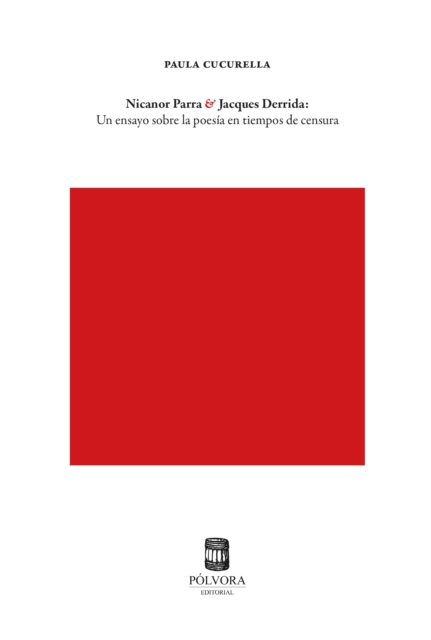
Jacques Derrida & Nicanor Parra: Un ensayo sobre la poesía en tiempos de censura constituye una reflexión sobre uno de los estándares más importantes para la institución literaria durante la modernidad: la libertad de expresión.
Escenas de escritura constituye una superficie de inscripción, un marco, en donde confluyen diferentes estilos de pensamiento que indagan en los vínculos subyacente entre lo filosófico y lo literario.
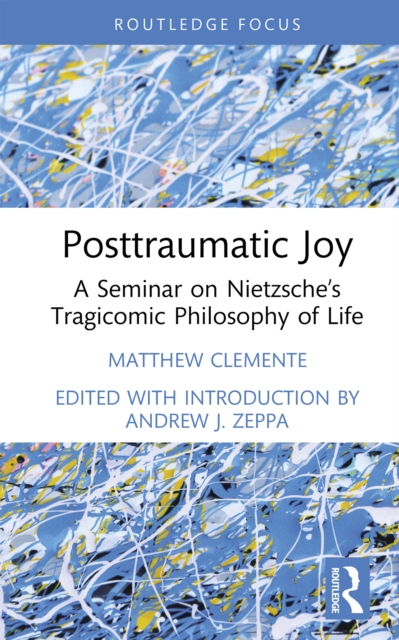
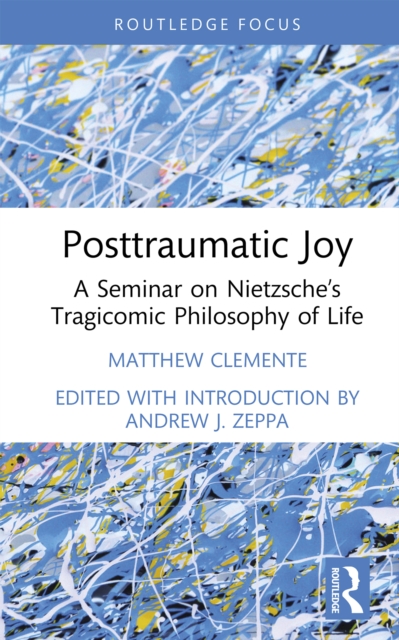
Posttraumatic Joy presents the major themes and ideas of Nietzsche's corpus from a continental and psychoanalytic perspective with a particular bent toward how they might illuminate ways of coping with and living beyond trauma and suffering.
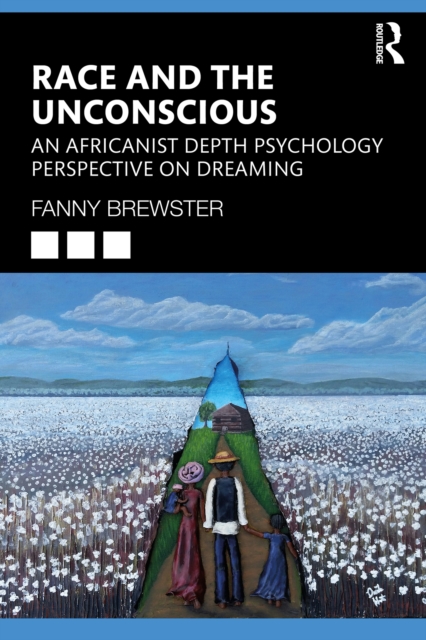
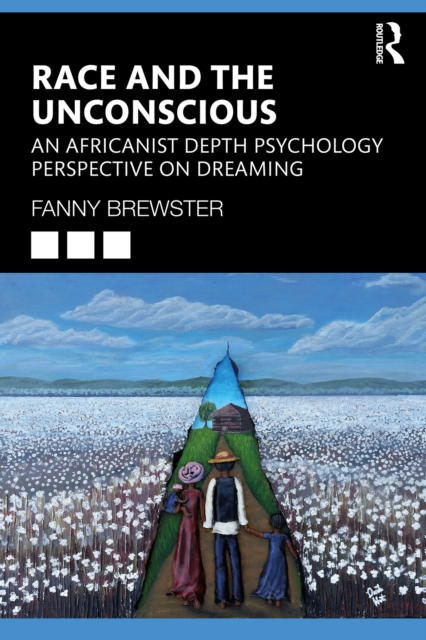
Race and the Unconscious engages the archetypal African consciousness that enriches our knowledge regarding the foundational mythopoetic of Africanist dreaming.
Posttraumatic Joy presents the major themes and ideas of Nietzsche's corpus from a continental and psychoanalytic perspective with a particular bent toward how they might illuminate ways of coping with and living beyond trauma and suffering.
Race and the Unconscious engages the archetypal African consciousness that enriches our knowledge regarding the foundational mythopoetic of Africanist dreaming.
This volume investigates Eric Weil's innovative conceptualization of the place of violence in the philosophical tradition with a focus on violence's relationship to language and to discourse.
At the heart of this volume is the assertion that Sartrean existentialism, most prominent in the 1940s, particularly in France, is still relevant as a way of interpreting the world today.
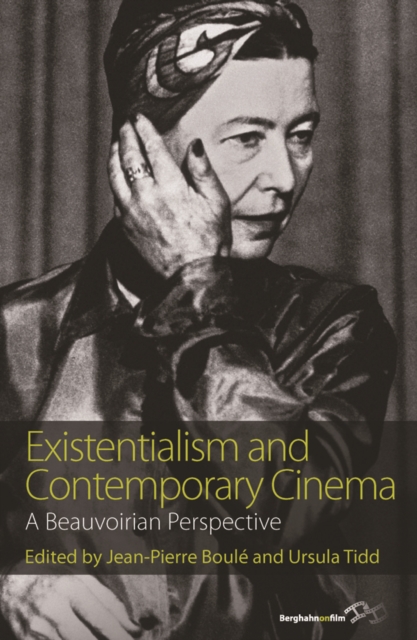
Simone de Beauvoir s work has not often been associated with film studies, which appears paradoxical when it is recognized that she was the first feminist thinker to inaugurate the concept of the gendered othering gaze.
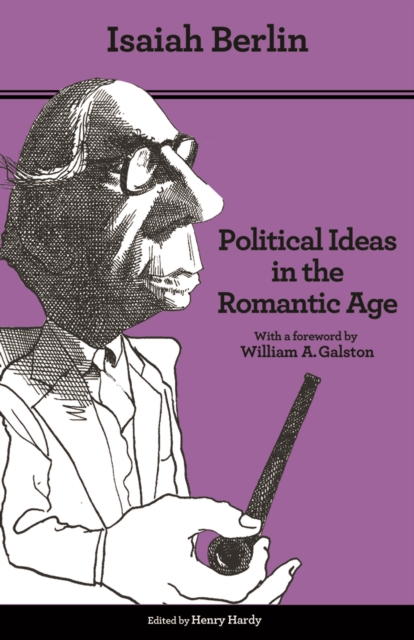
This new edition features the previously unpublished delivery text of Berlin's inaugural lecture as a professor at Oxford, which derives from this volume and stands as the briefest and most pithy version of his famous essay "e;Two Concepts of Liberty.
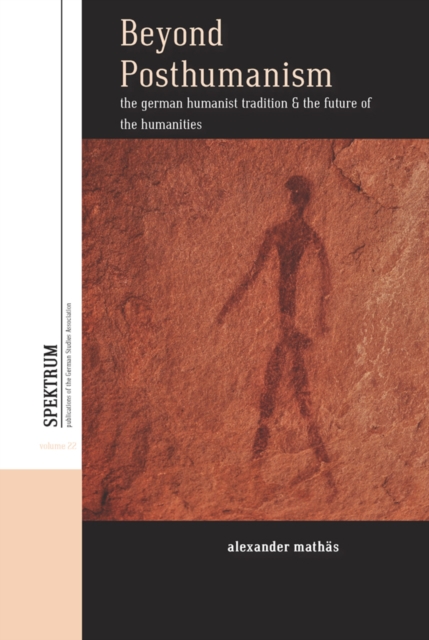
Kant, Goethe, Schiller and other eighteenth-century German intellectuals loom large in the history of the humanities both in terms of their individual achievements and their collective embodiment of the values that inform modern humanistic inquiry.
The Arts and the Definition of the Human introduces a novel theory that our selves-our thoughts, perceptions, creativity, and other qualities that make us human-are determined by our place in history, and more particularly by our culture and language.
The "e;ancient quarrel"e; between philosophy and literature seems to have been resolved once and for all with the recognition that philosophy and the arts may be allies instead of enemies.
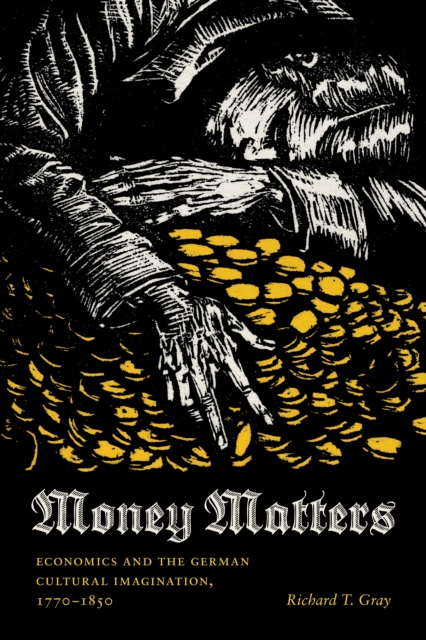
In Money Matters, Richard Gray investigates the discourses of aesthetics and philosophy alongside economic thought, arguing that their domains are not mutually exclusive.
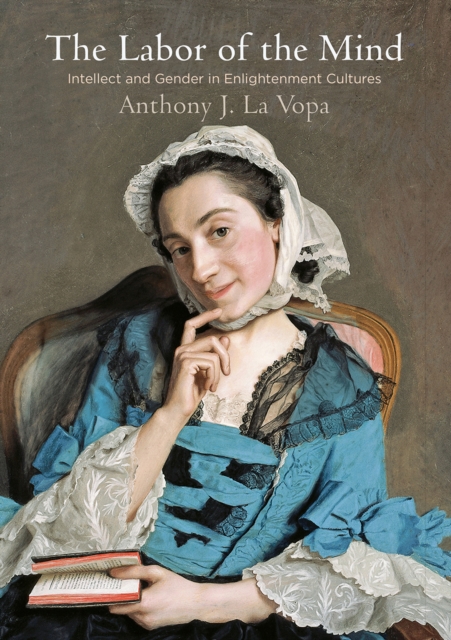
How did educated and cultivated men in early modern France and Britain perceive and value their own and women's cognitive capacities, and how did women in their circles challenge those perceptions, if only by revaluing the kinds of intelligence attributed to them?
From the kind of coverage Islam and Muslims receive in the media you would think it is an irrational and violent way of life, adopted by a bunch of lunatics.
Moving beyond the usual interpretations of this classic Chinese text that of using it as an indicator of what to do next or attempting to predict the future Osho is using the Tao Te Ching as Lao Tzu intended: to ignite the flame of individual awareness and insight.
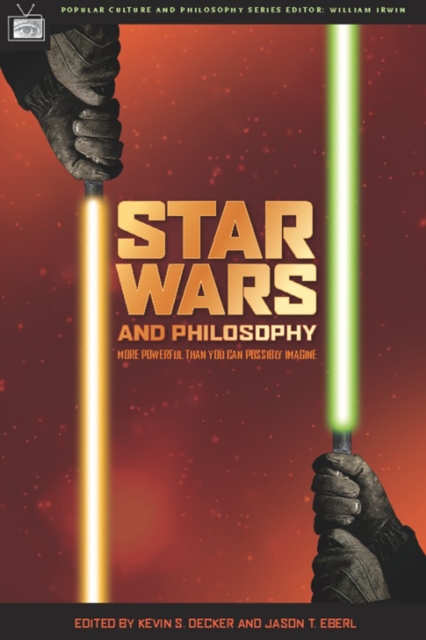
The Star Wars films continue to revolutionize science fiction, creating new standards for cinematographic excellence, and permeating popular culture around the world.
The French philosopher Jean-Paul Sartre (19051980) was the major representative of the philosophical movement called existentialism, and he remains by far the most famous philosopher, worldwide, of the postWorld War Two era.
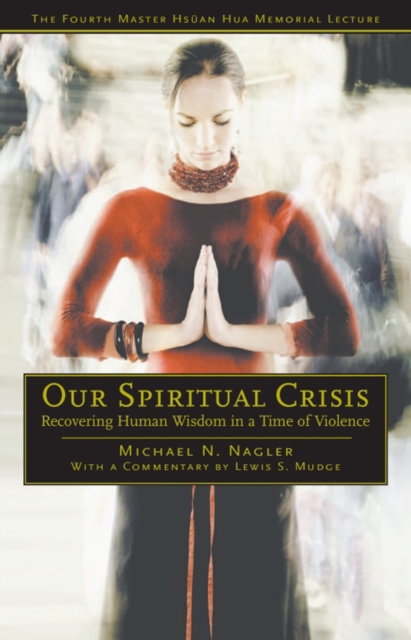
Many of the social, cultural, and even economic problems now faced by American society are direct results of excessive emphasis on material consumption, which in turn reflects spiritual poverty.
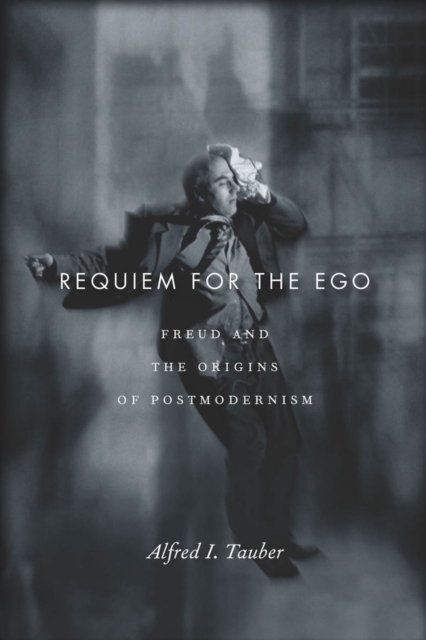
Requiem for the Ego recounts Freud's last great attempt to 'save' the autonomy of the ego, which drew philosophical criticism from the most prominent philosophers of the period-Adorno, Heidegger, and Wittgenstein.
Epistemology, as generally understood by philosophers of science, is rather remote from the history of science and from historical concerns in general.
Unlock the Hidden Doors to Personal and Spiritual GrowthThe chakras are the body's invisible energy centers that store information and distribute life force.