Thought by many to be the quintessential philosopher of the modern age, John Locke's ideas are the key to understanding society and politics in the West.
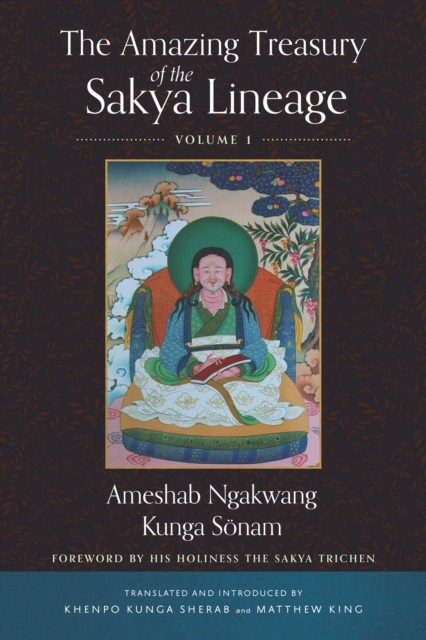
A lucid and landmark translation that offers an intriguing glimpse into Tibetan history, the Mongol Empire, and the spiritual development and remarkable lives of the early luminaries of the Sakya lineage of Tibetan Buddhism.
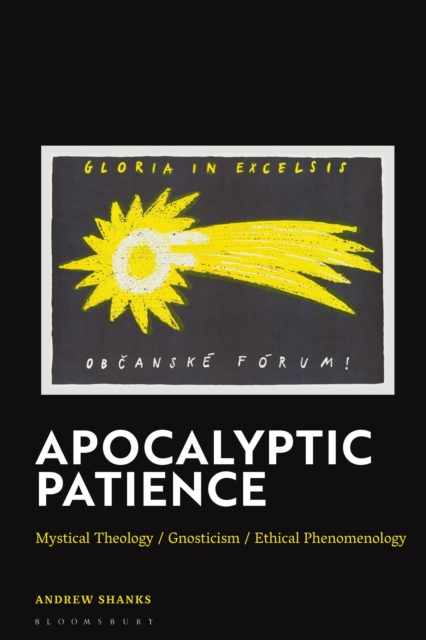
Andrew Shanks brings together a grand narrative of theology and continental philosophy to argue that the 'solidarity of the shaken' is the kingdom of God in secular dress.
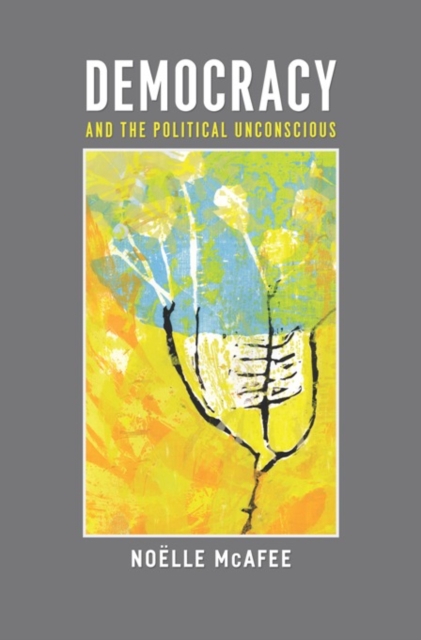
Political philosopher Noelle McAfee proposes a powerful new political theory for our post-9/11 world, in which an old pathology-the repetition compulsion-has manifested itself in a seemingly endless war on terror.
Dieses eBook: "Gesammelte philosophische Werke" ist mit einem detaillierten und dynamischen Inhaltsverzeichnis versehen und wurde sorgfältig korrekturgelesen.
Andrew Shanks brings together a grand narrative of theology and continental philosophy to argue that the 'solidarity of the shaken' is the kingdom of God in secular dress.
From the Greek philosophers to the Postmodernist theories of Jacques Derrida and Richard Rorty, this authoritative survey encompasses over two thousand years of interaction between philosophical and religious thought.
Combining a historical perspective that traces lines of continuity and change in Arab liberalism, an integrative discussion of cross-sectional themes, and a comparative analysis of the West, Turkey and Iran, this book seeks to enrich our knowledge of liberal thought in the Arab Middle East.
The goal of the ancient philosophers was to understand how to live in harmony with nature and to transcend the limitations imposed by sense experience and discursive reasoning.
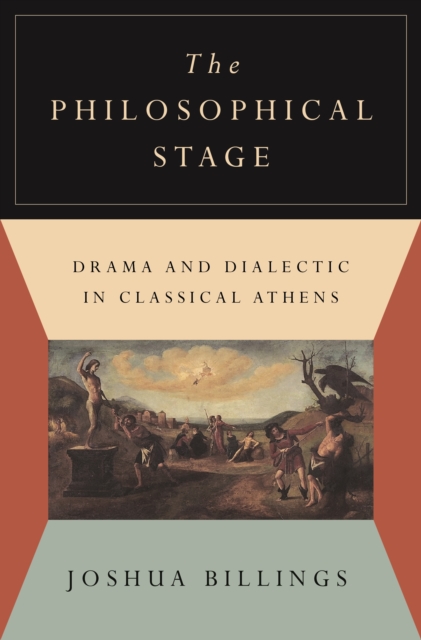
A bold new reconception of ancient Greek drama as a mode of philosophical thinkingThe Philosophical Stage offers an innovative approach to ancient Greek literature and thought that places drama at the heart of intellectual history.
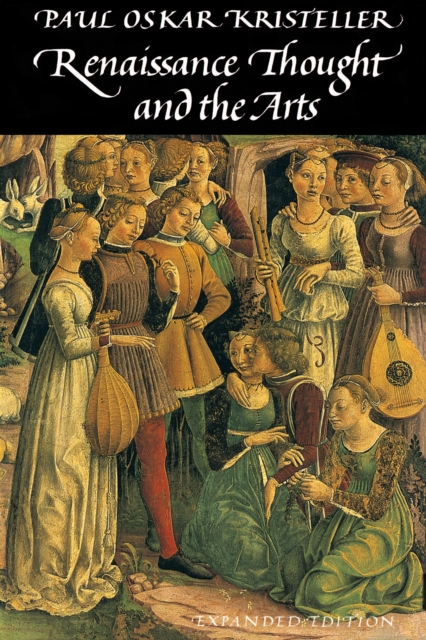
Written by an eminent authority on the Renaissance, these classic essays deal not only with Paul Kristeller's specialty, Renaissance humanism and philosophy, but also with Renaissance theories of art.
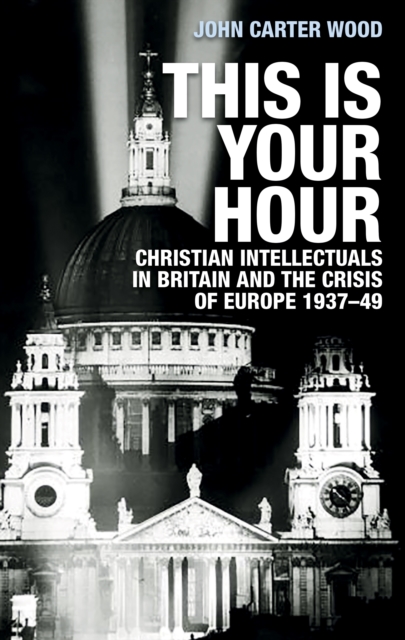
In the 1930s and 1940s - amid the crises of totalitarianism, war and a perceived cultural collapse in the democratic West - a high-profile group of mostly Christian intellectuals met to map out 'middle ways' through the 'age of extremes'.
An intellectual history of the late Roman Republicand the senators who fought both scholarly debates and a civil warIn The Roman Republic of Letters, Katharina Volk explores a fascinating chapter of intellectual history, focusing on the literary senators of the mid-first century BCE who came to blows over the future of Rome even as they debated philosophy, history, political theory, linguistics, science, and religion.
The definitive English translation of the classic Sanskrit epic poem-now available in a one-volume paperbackThe Ramayana of Valmiki, the monumental Sanskrit epic of the life of Rama, ideal man and incarnation of the great god Visnu, has profoundly affected the literature, art, religions, and cultures of South and Southeast Asia from antiquity to the present.
This is a thorough and balanced guide to modern French philosophical thought, providing lucid, authoritative accounts of famous philosophers whilst also highlighting lesser-known figures.
A bold reevaluation of Spinoza that reveals his powerful, inclusive vision of religion for the modern ageSpinoza is widely regarded as either a God-forsaking atheist or a God-intoxicated pantheist, but Clare Carlisle says that he was neither.
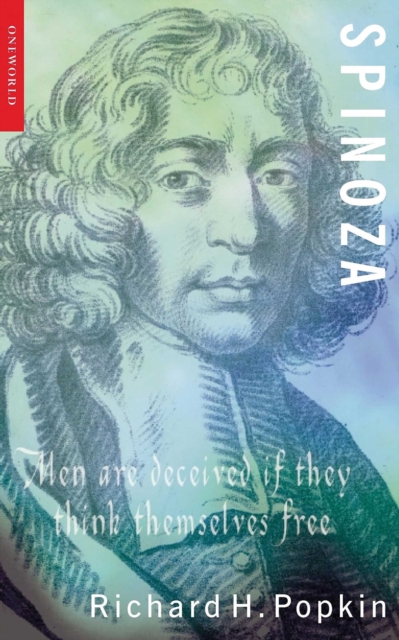
This ambitious study presents Baruch Spinoza (1632-1677) as the most outstanding and influential thinker of modernity-and examines the question of whether he was the "e;first secular Jew.
This ambitious study presents Baruch Spinoza (1632-1677) as the most outstanding and influential thinker of modernity-and examines the question of whether he was the "e;first secular Jew.
A monumental compendium of Chinese thought, from pre-Confucianism to Chinese CommunismA Source Book in Chinese Philosophy covers the entire historical development of Chinese philosophy from its ancient origins to today, providing the most wide-ranging and authoritative English-language anthology of Chinese thought available.
One of the world's most important political philosophers, Jon Elster is a leading thinker on reason and rationality and their roles in politics and public life.
Examining the social and political upheavals that characterized the collapse of public judgment in early modern Europe, Liberating Judgment offers a unique account of the achievement of liberal democracy and self-government.
This is the first major work in English to explore at length the meaning, context, aims, and vital importance of Thomas Hobbes's concepts of the law of nature and the right of nature.
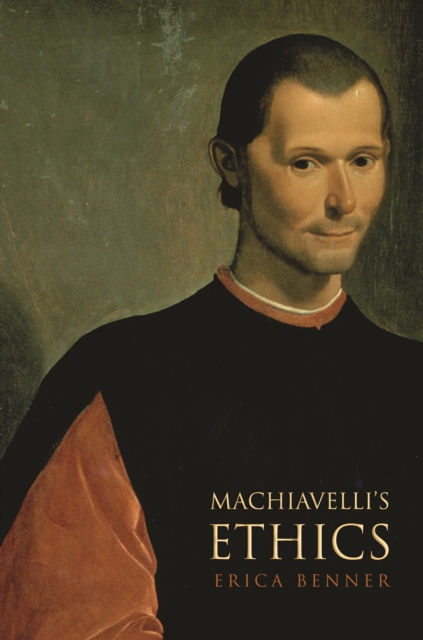
Machiavelli's Ethics challenges the most entrenched understandings of Machiavelli, arguing that he was a moral and political philosopher who consistently favored the rule of law over that of men, that he had a coherent theory of justice, and that he did not defend the "e;Machiavellian"e; maxim that the ends justify the means.
The Epicureans, Skeptics, and Stoics practiced philosophy not as a detached intellectual discipline but as a worldly art of grappling with issues of daily and urgent human significance.
From the author of the #1 New York Times bestseller On Bullshit, a landmark account of Descartes, reason, and truthIn this classic work, philosopher and bestselling author Harry Frankfurt provides a compelling analysis of the question that not only lies at the heart of Descartes's Meditations, but also constitutes the central preoccupation of modern philosophy: on what basis can reason claim to provide any justification for the truth of our beliefs?
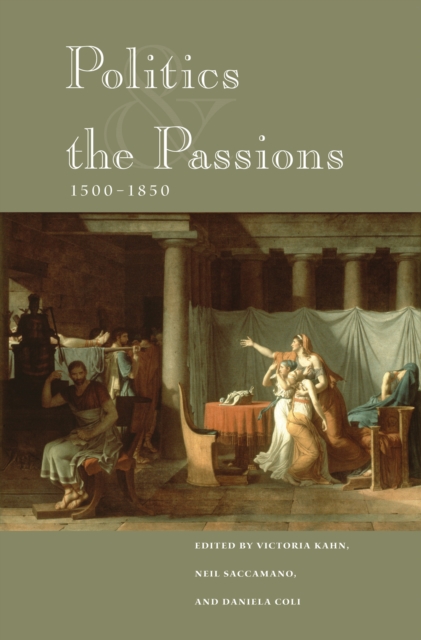
Focusing on the new theories of human motivation that emerged during the transition from feudalism to the modern period, this is the first book of new essays on the relationship between politics and the passions from Machiavelli to Bentham.
A comprehensive and accessible account of the life and thought of Judaism's most celebrated philosopherMaimonides was the greatest Jewish philosopher and legal scholar of the medieval period, a towering figure who has had a profound and lasting influence on Jewish law, philosophy, and religious consciousness.
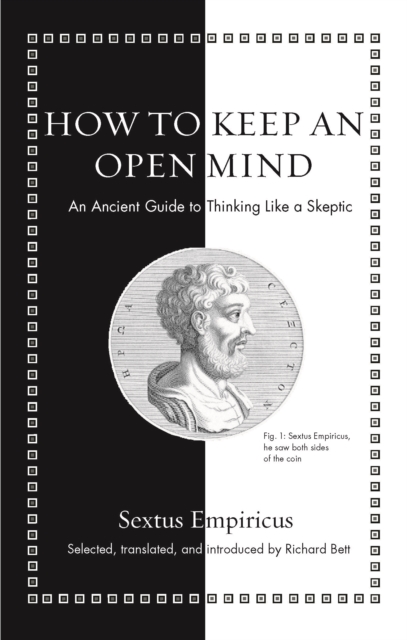
How ancient skepticism can help you attain tranquility by learning to suspend judgmentAlong with Stoicism and Epicureanism, Skepticism is one of the three major schools of ancient Greek philosophy that claim to offer a way of living as well as thinking.
Where "e;Victorianism"e; once conjured up an image of smugness, hypocrisy, and mindlessness, it now suggests quite the reverse: an age of high intellectual, moral, and spiritual tension, in which the typical problems of modernity were posed in their most acute forms.