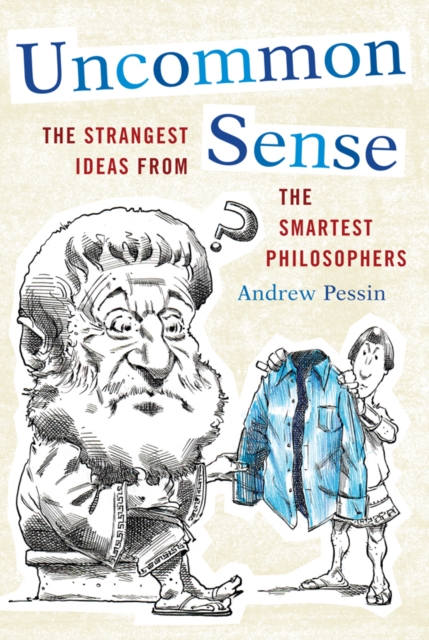
In Uncommon Sense, Andrew Pessin leads us on an entertaining tour of philosophy, explaining the pivotal moments when the greatest minds solved some of the knottiest conundrums-by asserting some very strange things.
Written by members of the Social Imaginaries Editorial Collective, these programmatic essays showcase new critical interventions in understandings of social imaginaries and the human condition.
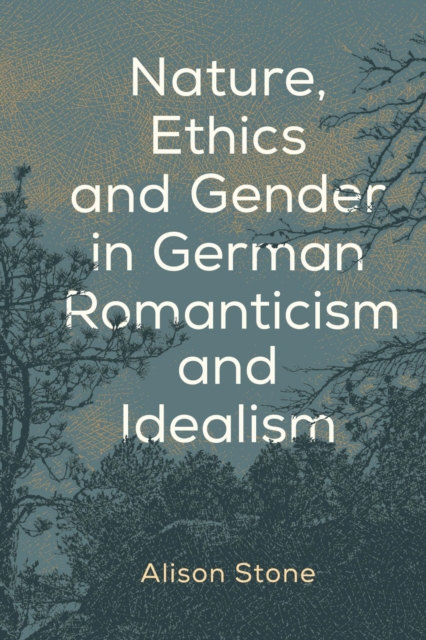
This book provides an account of the development of ideas about nature from the Early German Romantics into the philosophies of nature of Schelling and Hegel.
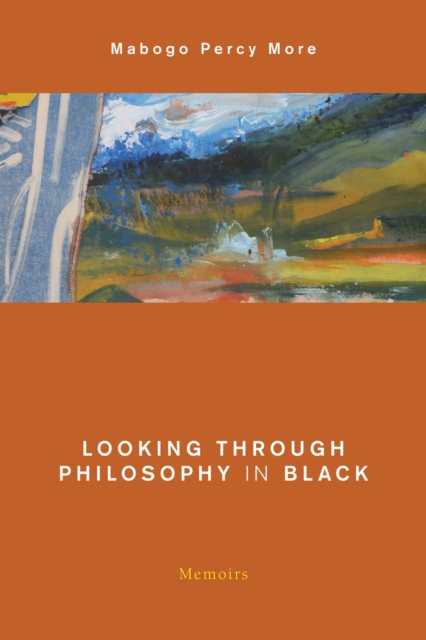
This autobiography is a series of interrelated true-life events and decisions taken by a black philosopher that highlight the human drama unfolding in the inferno of the South African apartheid system.
The devolved and dispersed character of human agency and moral responsibility in the contemporary condition appears linked with the deepening global trauma of 'inhumanism' as a paradox of the Anthropocene.
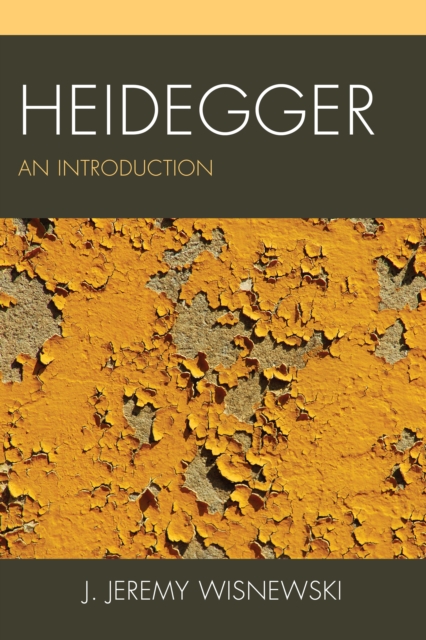
Once a prophet of critical, "e;other"e; thought, Heidegger has now for many become the epitome of the unthinkable, in the light of the Black Notebooks controversy.
This book explores Neo-Confucianism and its relationship to politics by examining the life and work of the two iconic figures of the Joseon dynasty Yi Hwang (1501-1570, Toegye) and Yi I (1536-1584, Yulgok).
In his fascinating new book, leading phenomenologist Anthony Steinbock intervenes in contemporary debate around the idea of the gift through a set of critical readings in which he situates the gift in the context of interpersonal relations.
This important collection of essays by Andrew Feenberg presents his critical theory of technology, an innovative approach to philosophy and sociology of technology based on a synthesis of ideas drawn from STS and Frankfurt School Critical Theory.
Can critical theory diagnose ideological delusion and false consciousness from above, or does it have to follow the practices of critique ordinary agents engage in?
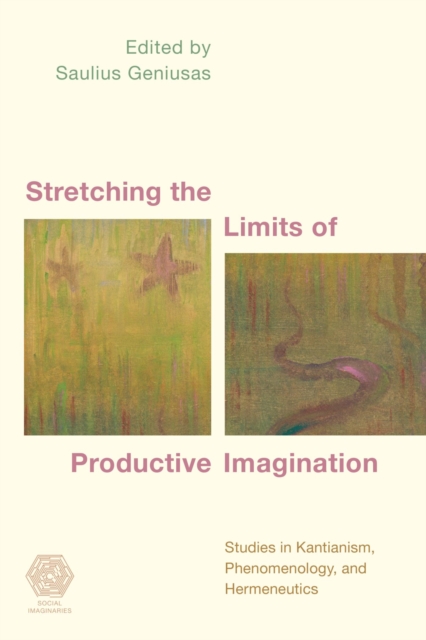
Although the concept of productive imagination plays a fundamental role in Kant, German Idealism, Romanticism, Phenomenology and Hermeneutics, the meaning of this central concept remains largely undetermined.
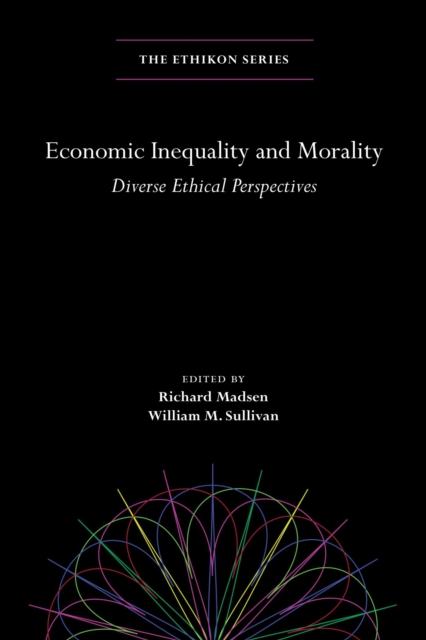
Examining inequality through the lenses of moral traditionsRising inequality has attracted a great deal of attention in recent years from scholars and politicians, but the moral dimensions of inequality tend to be ignored.
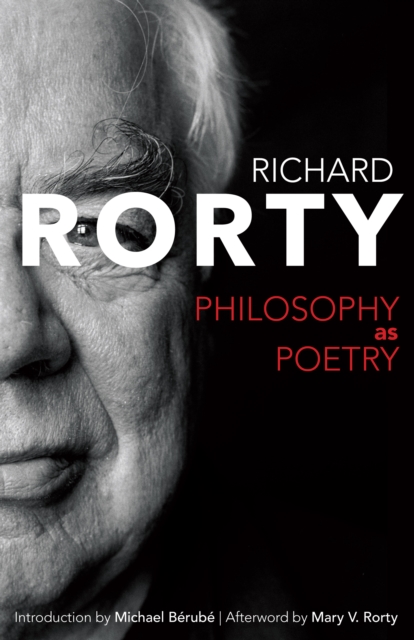
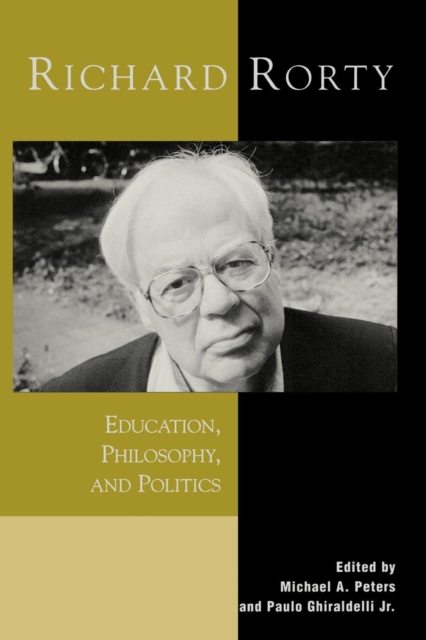
Undeniably iconoclastic, and doggedly practical where others were abstract, the late Richard Rorty was described by some as a philosopher with no philosophy.
Few philosophers have been as popular, prolific, and controversial as Friedrich Nietzsche, who has left his imprint not only on philosophy but on all the arts.
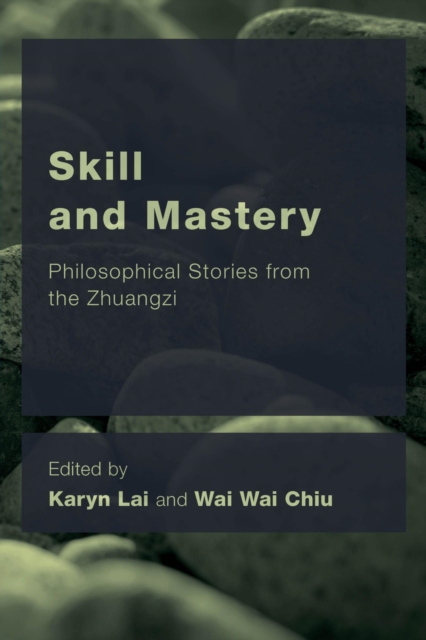
Skill and Mastery: Philosophical Stories from the Zhuangzi presents an illuminating analysis of skill stories from the Zhuangzi, a 4th century BCE Daoist text.
Our amorous and erotic experiences do not simply bring us pleasure; they shape our very identities, our ways of relating to ourselves, each other and our shared world.
This concise and accessible textbook examines German philosopher Martin Heidegger's entire body of work through the lens of his first and best-known book, Being and Time.
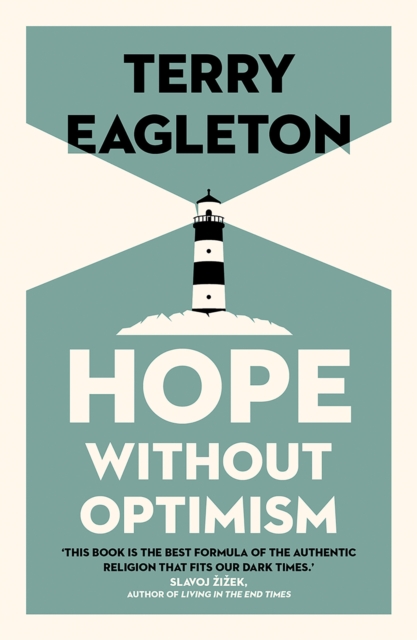
In a virtuoso display of erudition, thoughtfulness and humour, Terry Eagleton teases apart the concept of hope as it has been (often mistakenly) conceptualised over six millennia, from ancient Greece to today.
This book focuses on the notion of desire in late-nineteenth-century Italy, and how this notion shapes the life and works of two of Italy's most prominent authors at that time, Giovanni Pascoli and Gabriele D'Annunzio.
As one of the most important philosophers of the 20th century, Michel Foucault's reputation today rests on his political philosophy in relation to the contemporary subject in a neo-liberal and globalized society.
From Ecclesiastes to Simone Weil: Varieties of Philosophical Spirituality reads major philosophers from the Western philosophical canon and beyond for the spirituality implicit in their metaphysics, epistemology, ethics, aesthetics, and logic.
GWF Hegel famously described philosophy as 'its own time apprehended in thoughts', reflecting a desire that we increasingly experience, namely, the desire to understand our complex and fast-changing world.