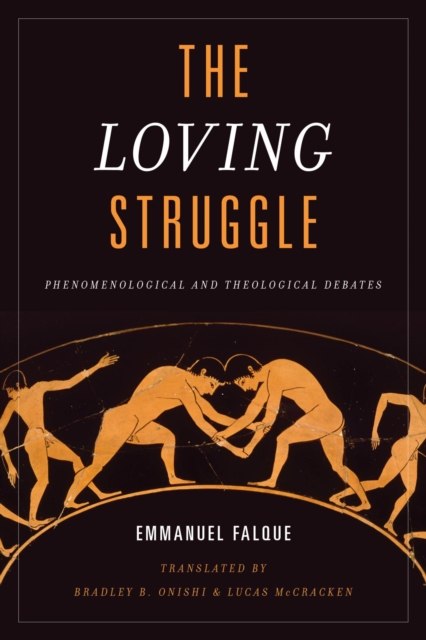
It has been 25 years since Dominique Janicaud derisively proclaimed the "e;theological turn"e; in French phenomenology due to the return of God to philosophy through the influence of "e;religious"e; thinkers such as Levinas, Ricoeur, and Marion.
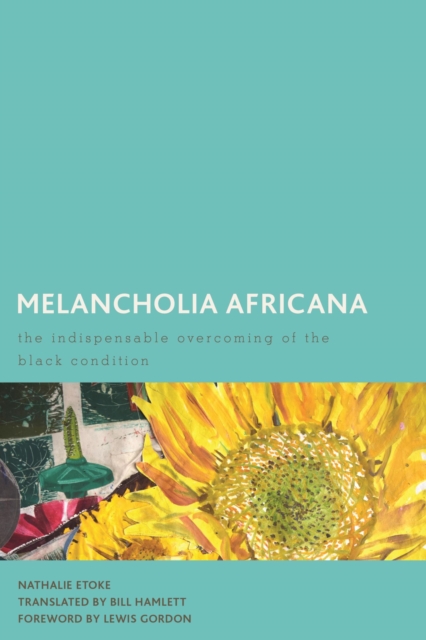
Melancholia Africana argues that in the African and Afro-diasporic context, melancholy is rooted in collective experiences such as slavery, colonization, and the post-colony.
This important new book offers an introduction to Heidegger's phenomenology of perception, interpreting and explaining five key words, 'Sein', 'Dasein', 'Ereignis', 'Lichtung', and 'Geschick'.
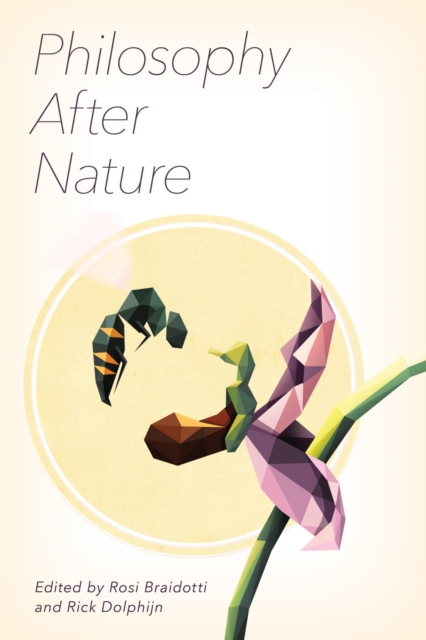
The significant changes that have dominated the social and the scientific world over the last thirty years have brought about upheavals and critical re-appraisals that have proved quite positive in fostering 21st century thought.
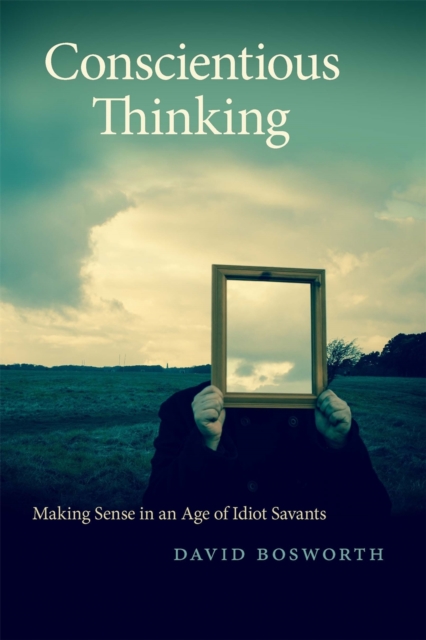
In Conscientious Thinking, David Bosworth cuts through all the noise of today's political dysfunction and cultural wars to sound the deeper causes of our discontent.
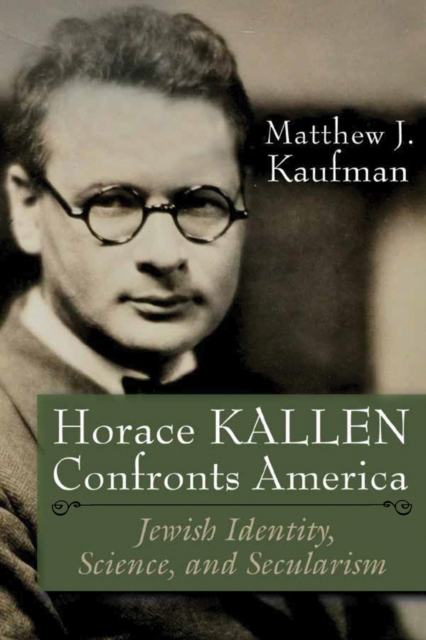
During his more than fifty-year writing career, American Jewish philosopher Horace Kallen (1882-1974) incorporated a deep focus on science into his pragmatic philosophy of life.
An ideal resource for teens and young adults interested in incorporating a yoga practice into their lives, this book answers readers' questions about the origins, benefits, and potential risks of yoga and offers practical advice for getting started.
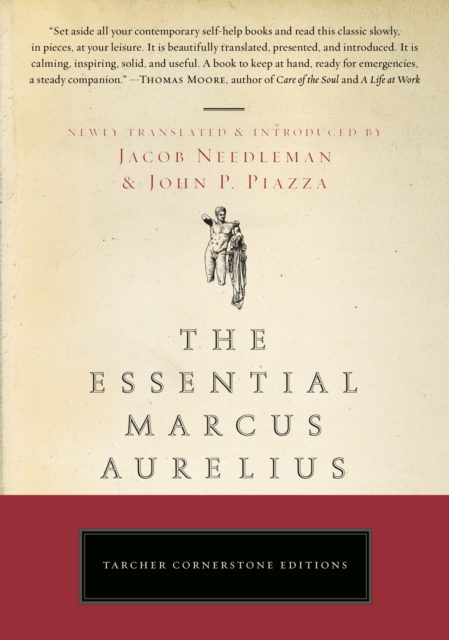
This inaugural-and all new-Tarcher Cornerstone Edition presents a stunningly relevant and reliable translation of the thoughts and aphorisms of the Stoic philosopher and Roman emperor Marcus Aurelius, properly placing the philosopher-king''s writings within the vein of the world''s great religious and ethical traditions.
Covering the history and contributions of black women intellectuals from the late 19th century to the present, this book highlights individuals who are often overlooked in the study of the American intellectual tradition.
The Katha Upanishad embraces the key ideas of Indian mysticism in a mythic story we can all relate to the quest of a young hero, Nachiketa, who ventures into the land of death in search of immortality.
Jan Patocka, perhaps more so than any other philosopher in the twentieth century, managed to combine intense philosophical insight with a farsighted analysis of the idea and challenges facing Europe as a historical, cultural and political signifier.
Is it possible to incite a turn towards Media Philosophy, a field that accounts for the autonomy of media, for machine agency and for the new modalities of thought and subjectivity that these enable, rather than dwelling on representations, audiences and extensions of the self?
This timely volume brings together a diverse group of expert authors in order to investigate the question of phenomenology's relation to the political.
Born in Eastern Europe, educated in the West under the guidance of Martin Heidegger and the phenomenological tradition, and forced to flee during the Holocaust because of their Jewish identity, it should come as no surprise that Emmanuel Levinas and Hannah Arendt's ideas intersect in an important way.
The Question Concerning the Thing presents a full English translation of a lecture course first delivered by Heidegger at Freiburg University during the Winter Semester of 1935-36 (originally published in German as volume 41 of the Gesamtausgabe).
The Concept of Resistance in Italy brings together experts from different fields to reflect in a new, comprehensive critical approach, on an event that has shaped the young Italian nation from the onset of Fascism in the early 20s.
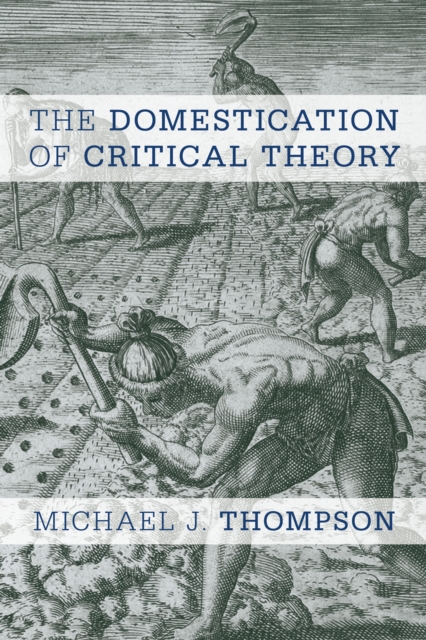
The conviction that we all have, possess or inhabit a discrete culture, and have done so for centuries, is one of the more dominant default assumptions of our contemporary politico-intellectual moment.
Inspired by the philosophical framework of Deleuze and Guattari in relation to affect, Affective Connections disavows the dominant oppositional discourse around representation to offer an affirmative approach to perception, cognition and experience.
This book describes the reception of the Nietzschean Death of God within the Italian philosophical debate, an ambit traditionally concerned with emphasising the practical-political meaning of philosophical thinking.
Navigating between society's moral panics about the influence of violent videogames and philosophical texts about self-cultivation in the martial arts, The Virtual Ninja Manifesto asks whether the figure of the 'virtual ninja' can emerge as an aspirational figure in the twenty-first century.
This important volume brings together scientific, cultural, literary, historical, and philosophical perspectives to offer new understandings of the critical issues of our ecological present and new models for the creation of alternative ecological futures.
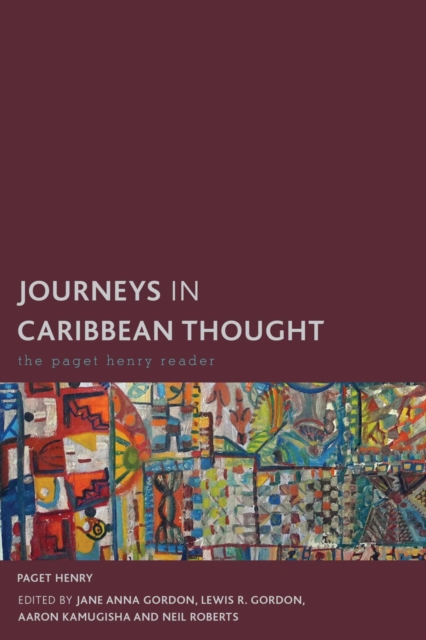
For the past 30 years, Paget Henry has been one of the most articulate and creative voices in Caribbean scholarship, making seminal contributions to the study of Caribbean political economy, C.
An Archaeology of Disbelief traces the origin of secular philosophy to pre-Socratic Greek philosophers who proposed a physical universe without supernatural intervention.
How is it that sounds from the mouth or marks on a page-which by themselves are nothing like things or events in the world-can be world-disclosive in an automatic manner?
In Aesthetic Genesis, the author argues for a reversal of the most fundamental tenet of phenomenology-namely, that all consciousness is intentional (that is, directed toward an object).
The contributors to this collection come from disparate fields such as theology, literature studies, political science, and communication studies and are guided by a commitment to consider what we can learn from Camus as opposed to where he was wrong or misguided in his life and writing.
A brilliant introduction to the philosophical concept of materialism and its relevance to contemporary science and culture In this eye-opening, intellectually stimulating appreciation of a fascinating school of philosophy, Terry Eagleton makes a powerful argument that materialism is at the center of today’s important scientific and cultural as well as philosophical debates.
An in-depth comparison of Wittgenstein and Heidegger shows how the views of both philosophers emerge from a fundamental attempt to dispense with the transcendent.
Through his innovative study of language, noted Heidegger scholar Lawrence Hatab offers a proto-phenomenological account of the lived world, the "e;first"e; world of factical life, where pre-reflective, immediate disclosiveness precedes and makes possible representational models of language.
The volume is inspired by Gilles Deleuze's philosophical project, which builds on the critique of European Humanism and opens up inspiring new perspectives for the renewal of the field.
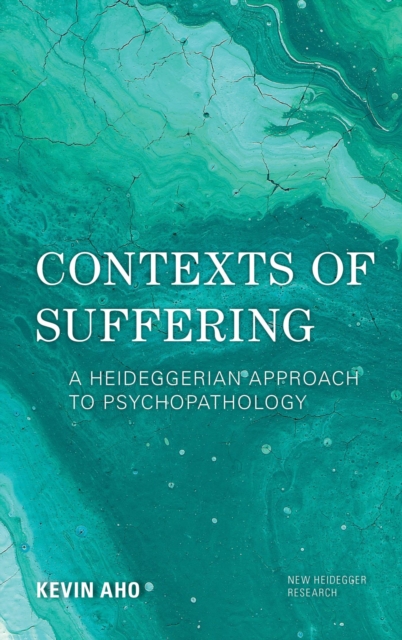
Contexts of Suffering draws on Martin Heidegger's phenomenology and his analysis of human existence to challenge core assumptions in contemporary psychiatry by contextualizing mental illness and illuminating its existential and experiential qualities.