This edited book examines three main understandings of the concept of modernity in relation to translation: “modernity as translation” (transformational process where modernity itself is conceptualized through translation), “translation of modernity” (object of transformation; that is, modernity as the object being translated across different contexts), and “modernity in translation” (contrastive modernities existing within ongoing translation processes).
Una de las preguntas filosóficas que más ha atribulado a pensadores de todo tiempo y lugar, aquella que inicia ese 'valde philosophicus afectus' del que ya hablara Platón, es la relativa al valor de la vida.
Una de las preguntas filosóficas que más ha atribulado a pensadores de todo tiempo y lugar, aquella que inicia ese 'valde philosophicus afectus' del que ya hablara Platón, es la relativa al valor de la vida.
Die Vorgeschichte der modernen Sprachphilosophie wird häufig als Kette von Gipfelgesprächen erzählt, in der die vier großen »H« (Herder, Hamann, Humboldt, Hegel) einander den Staffelstab weiterreichten, ehe nach dem Ende des Idealismus und mit der beginnenden naturwissenschaftlich inspirierten Sprachforschung, der strukturalistischen Linguistik und der analytischen Philosophie die Karten neu gemischt wurden.
La decision historica de reivindicar las humanidades de cara a la configuracion del Consejo Nacional de Humanidades, Ciencias y Tecnologias (Conahcyt) requiere promover y fortalecer el estudio de los humanismos y los conocimientos humanisticos.
¿Qué está pasando en las sociedades actuales para que ser ancianos, como los de antaño, sea algo incorrecto, para que los jóvenes ya no tengan tiempo de ser jóvenes y para que la fragilidad y los defectos sean identificados como disfunciones?
Este libro parte de dos supuestos entrelazados que, si bien son discutibles en sí mismos, la experiencia cotidiana los reafirma: el individualismo posesivo extendiéndose sobre el planeta; y la esencia social, inspiradora de la lucha política, insistiendo con su retórica en retroceso.
This book explores Gottlob Frege’s mature views on truth, as expressed primarily in a late series of essays entitled “Logical Investigations”, and related unpublished works.
This book explores Gottlob Frege’s mature views on truth, as expressed primarily in a late series of essays entitled “Logical Investigations”, and related unpublished works.
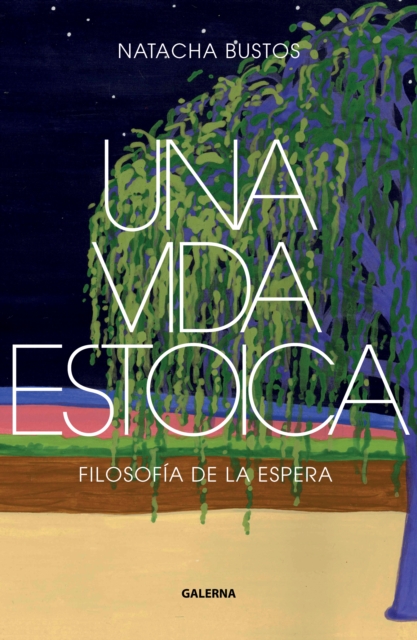
El estoicismo es un modo de vida, una práctica filosófica que implica un trabajo sobre sí, un fortalecimiento interior que debe llevarse a cabo con perseverancia y paciencia.
Simplicity, mindfulness, tranquility, attention to detail - all these elements of Japanese philosophy are nor only reflected in the famous tea ceremony but also in kaiseki cuisine.
Epicteto, uno de los más insignes representantes del estoicismo romano, nos dejó un legado breve y directo, pero también brillante, rotundo e imperecedero.
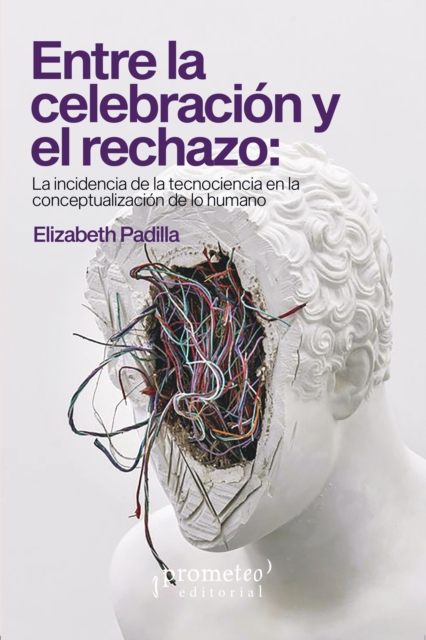
Este libro retoma, de manera audaz, la clasica pregunta por la tecnica en una epoca de meta-tecnologia, ensayando una perspectiva que vincula la filosofia, las teorias de la mediatizacion y los enfoques socio-culturales, para cuestionar la pretendida relacion de exterioridad de lo tecnico que aun circula en la doxa.
Monografico especial sobre Hannah Arendt:CRONOLOGIA DE ARENDT Fechas clave en su vidaBIOGRAFIA Una vida de guerras, muertes, amor y pensamientoFILOSOFIA HOY Hannah Arendt, una pensadora para el siglo XXIEN MI OPINION En compania de Hannah ArendtPor Stefania FantauzziEL TIEMPO DE ARENDT La maldicion de vivir en tiempos interesantesENTREVISTA Nuria Sanchez Madrid: Para Arendt, cualquier ser humano tiene la capacidad irrenunciable de juzgar los acontecimientos REPORTAJE Mi profesion es la teoria politica, yo no soy filosofa DOSIER Hannah Arendt y la epoca de las catastrofes: totalitarismo, democracia y libertadSILENCIO, SE PIENSA El juicio a Eichmann y la banalidad del malPENSAMIENTO EN ACCION El trabajo mas alla del trabajoFILOSOFIA&SOCIEDAD Revolucion: la busqueda de la libertadFILOSOFIA&POLITICA La violencia puede destruir el poder, pero es incapaz de crearlo EN DIALOGO Cartas de Arendt a sus amigosFILOSOFIA SIN FRONTERAS Pensar a Arendt desde LatinoamericaFILOSOFIA&LITERATURA La voz poetica de ArendtBIBLIOTECA Libros para leer, conocer y comprender a ArendtHERENCIA FILOSOFICA Arendt despues de ArendtEN MI OPINION Propaganda: peligro permanente para la democraciaPor Miriam Jerade
Este texto, publicado en 1925, se sitúa en una tendencia de escritura del pensamiento que tuvo su inicio, quizás, en la década de 1910 con los libros de aforismos de José María Vargas Vila.
In dit hoogst ongewone Reikiboek vertelt een van Nederlands eerste Reiki Masters Arianne Groeneveld hoe Reiki voor haar een weg naar Zelfrealisatie werd.
"Los Grundrisse, o Líneas fundamentales de la crítica de la economía política, constituyen un texto fundamental para el estudio del capitalismo en cuanto sistema socioeconómico.